/PCB Application/

LED PCB

At PCBSAIL, we are a professional LED PCB manufacturer and PCBA service provider based in China. We offer end-to-end solutions including LED PCB design support, material selection, fabrication, and LED PCB assembly. With advanced manufacturing facilities and strict quality control, we help customers worldwide bring high-performance LED products to market efficiently and cost-effectively.

LED PCB Explore

An LED PCB is a printed circuit board specifically engineered to mount and power light-emitting diodes (LEDs). Unlike conventional PCBs, LED PCBs must handle high thermal loads, maintain stable current control, and support optical performance, all while ensuring long-term reliability.

LEDs are extremely sensitive to heat. Even a small increase in junction temperature can significantly reduce luminous efficiency, alter color consistency, and shorten lifespan. Therefore, LED PCBs are designed not only for electrical connectivity but also for efficient heat dissipation and mechanical stability.

LED PCB Explore

Core Functions

Our well-designed LED PCB performs several critical roles within a lighting system:

LEDs are current-driven devices. Even small variations in current can significantly affect brightness and reliability. The LED PCB provides:

  • Stable electrical pathways between LEDs and power sources
  • Support for series, parallel, or mixed LED configurations
  • Integration with constant-current LED drivers
  • Low-resistance copper traces to minimize voltage drop

Thermal management is the single most important function of an LED PCB.

Typically, only 20–30% of the electrical energy supplied to an LED is converted into visible light. The remaining 70–80% becomes heat, concentrated in a very small junction area.

If this heat is not efficiently dissipated:

  • LED junction temperature rises
  • Luminous efficiency drops
  • Color temperature shifts
  • LED lifetime is dramatically reduced

LED PCBs are therefore engineered with thermal pathways that conduct heat away from the LED junction and into the environment, often through metal cores or thermal vias.

The LED PCB provides a stable mechanical platform for:

  • LED chips and packages
  • Driver ICs and passive components
  • Optical elements such as lenses and reflectors

PCB design also influences optical performance:

  • White or reflective solder masks increase light utilization
  • Proper LED spacing ensures uniform illumination
  • Layout minimizes shadowing and light blockage

LED PCBs support additional protection features, including:

  • ESD protection
  • Surge suppression
  • Overcurrent and thermal protection circuits

These features are essential for outdoor, industrial, and automotive LED systems.

Types of PCBs Used in LED

Selecting the correct LED PCB type is critical for balancing performance, reliability, and cost. The most commonly used LED PCB types are described below.

LED Metal Core PCB

Metal Core PCB

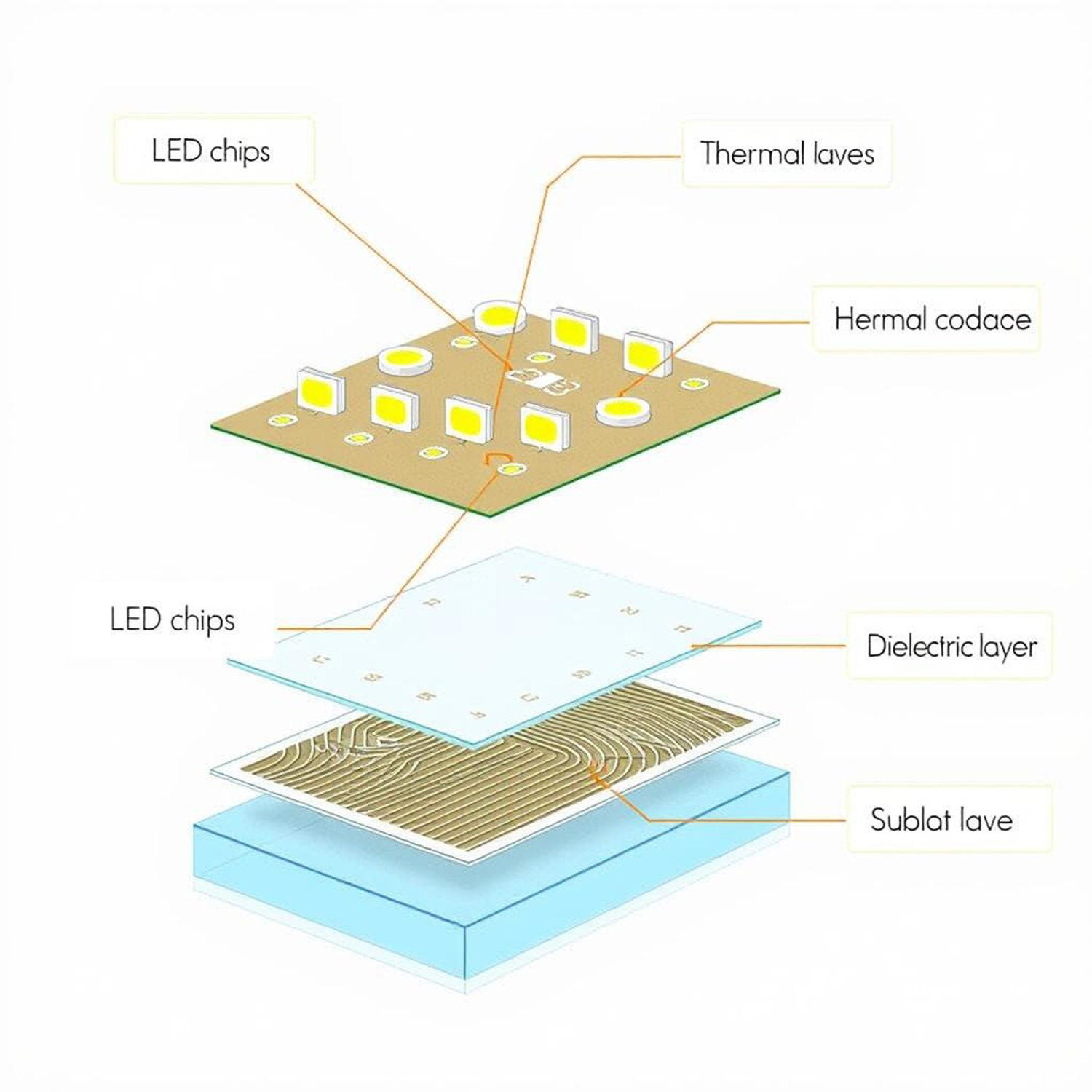
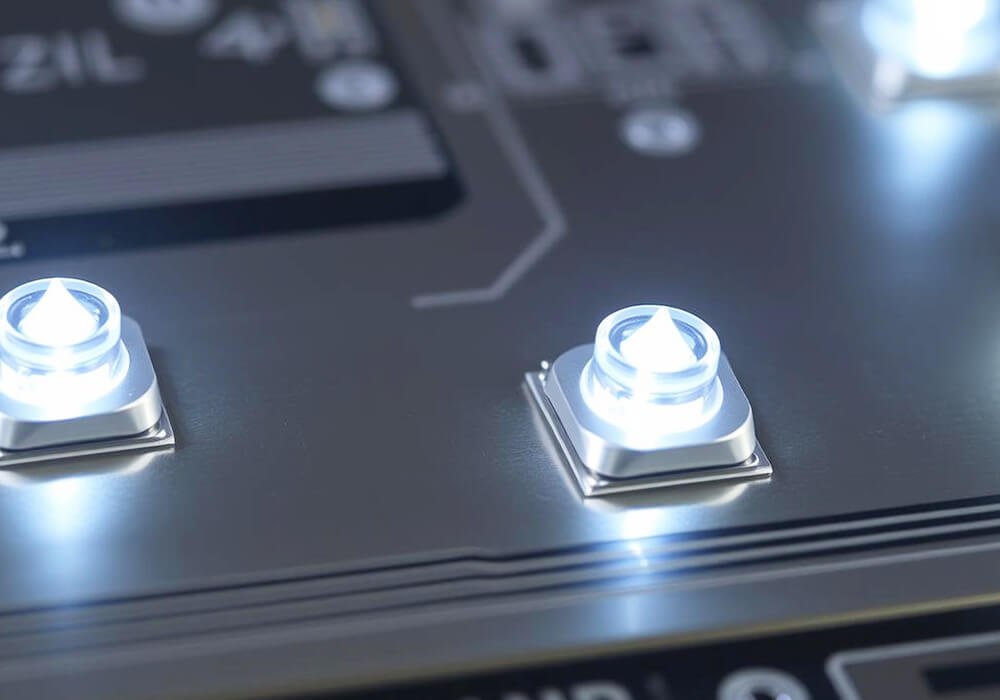
Metal Core PCBs, particularly aluminum-based ones, are the most common choice for LED lighting applications. They feature a metal base layer (typically aluminum) that efficiently conducts heat away from the LED components.

  • Superior thermal conductivity (1-3 W/m·K)
  • Ideal for high-power LED applications
  • Extends LED lifespan by preventing overheating
  • Common in street lighting, automotive headlights, and commercial fixtures
LED FR-4 PCB

FR-4 PCB

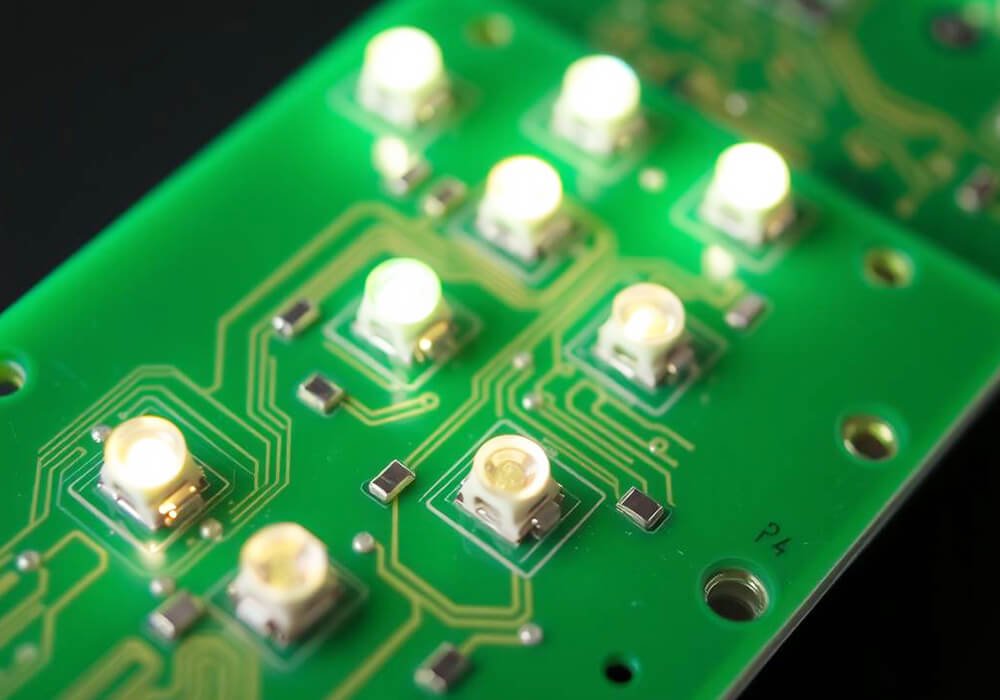
FR-4 is a fiberglass-reinforced epoxy laminate material commonly used in standard PCBs. While less thermally conductive than MCPCBs, FR-4 boards are suitable for lower-power LED applications.

  • Cost-effective solution for low to medium power LEDs
  • Good electrical insulation properties
  • Can be enhanced with thermal vias for better heat dissipation
  • Used in consumer LED bulbs, indicator lights, and decorative lighting
LED Flexible PCB

Flexible PCB

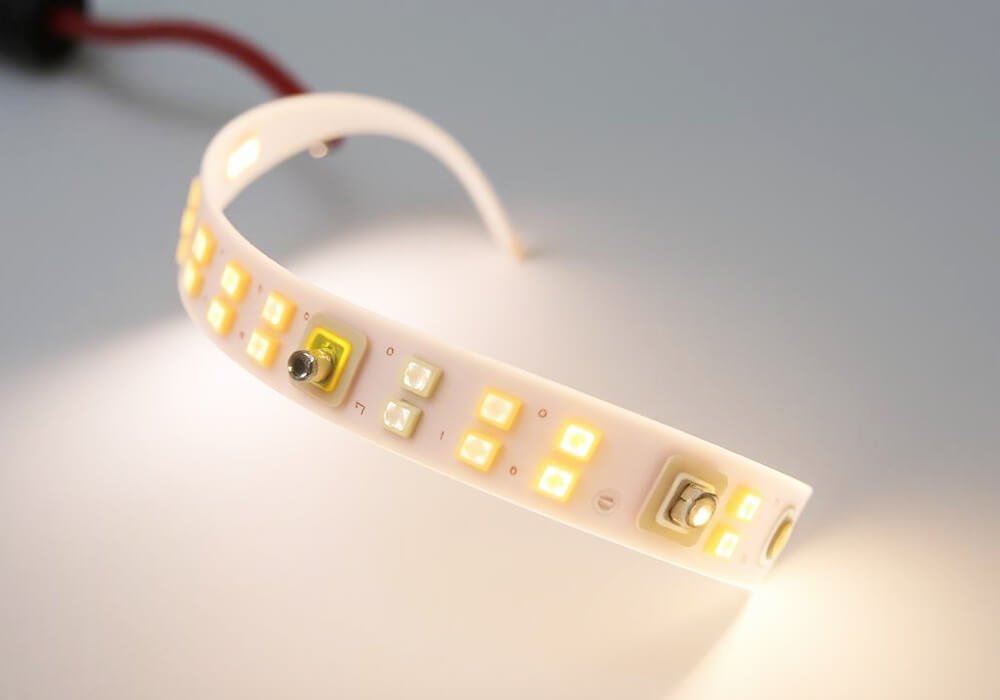
Flexible LED PCBs use polyimide (PI) substrates, allowing the board to bend, fold, or conform to complex shapes.

  • Enables curved and 3D lighting designs
  • Lightweight and space-efficient
  • Good for dynamic or movable lighting applications
  • Used in LED strips, wearable technology, and automotive interior lighting
PCB Compare

PCB Type

Thermal Conductivity

Cost

Typical Applications

Key Advantages

Aluminum MCPCB

1-3 W/m·K

Medium

High-power lighting, street lights, floodlights

Excellent heat dissipation, cost-effective

Copper MCPCB

3-5 W/m·K

High

Ultra-high-power LEDs, specialized lighting

Superior thermal performance, higher durability

FR-4

0.3-0.5 W/m·K

Low

Low-power LEDs, indicator lights, consumer products

Cost-effective, widely available

Ceramic PCB

20-30 W/m·K

Very High

Medical lighting, military applications

Exceptional thermal performance, high reliability

Flexible PCB

0.1-0.3 W/m·K

Medium-High

LED strips, curved displays, wearable technology

Flexibility, space-saving design

Key Design Considerations for LED PCB

We use a multidisciplinary approach that integrates thermal engineering, electrical design, materials science, and optical optimization when we design a high-performance LED PCB.

Below are the most critical design considerations we evaluate when developing LED lighting PCBs.

LED PCB Thermal Management

Thermal Management

Thermal management is the single most important factor in LED PCB design.

LEDs are solid-state devices with high power density. Typically, 70–80% of the electrical energy supplied to an LED is converted into heat, concentrated in a very small junction area. If this heat is not efficiently removed, LED junction temperature (Tj) rises rapidly, causing:

  • Reduced luminous flux (lumen depreciation)
  • Color temperature shift and reduced CRI
  • Accelerated material degradation
  • Premature LED failure

A well-designed LED PCB must provide a low thermal resistance path from the LED junction to ambient air.

Techniques

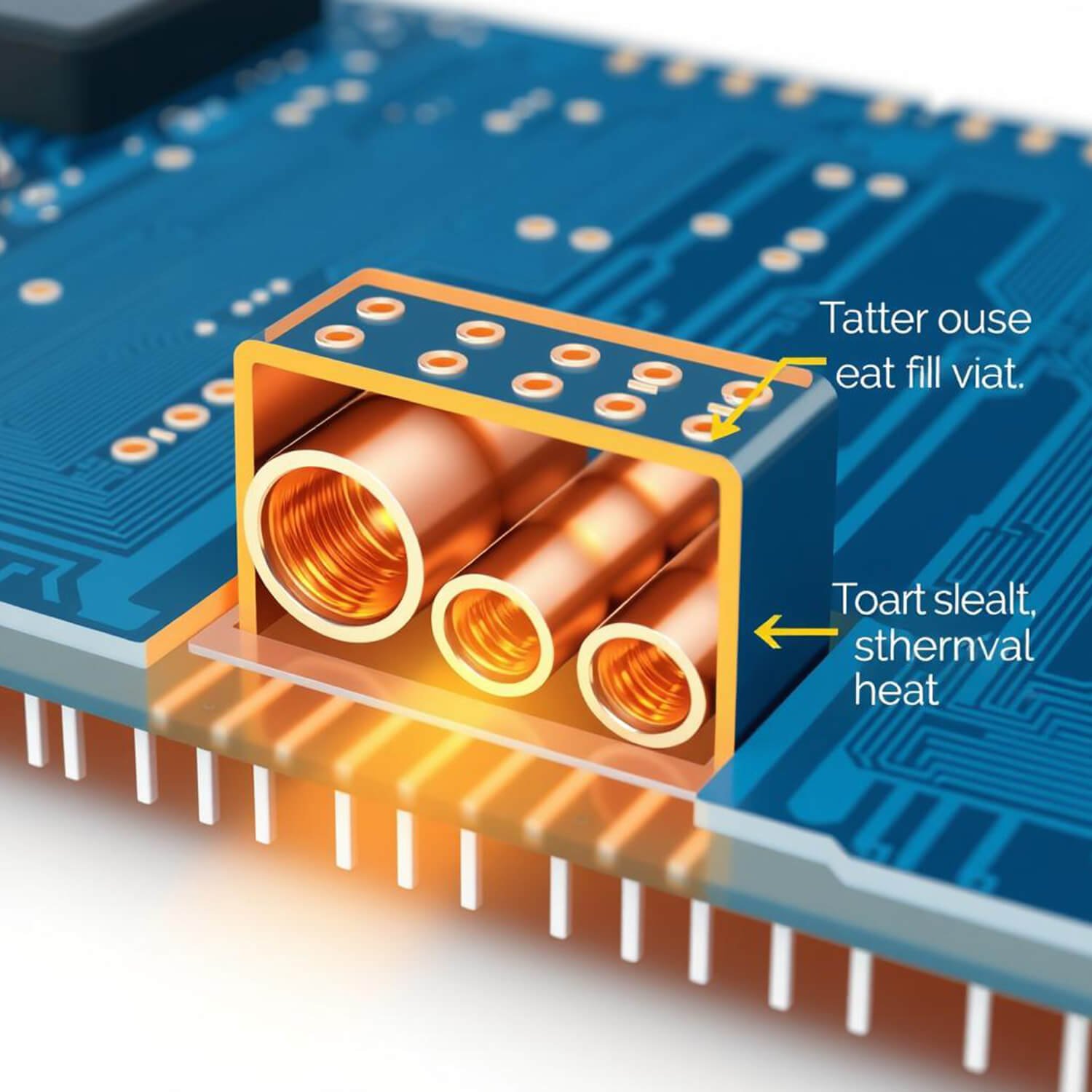
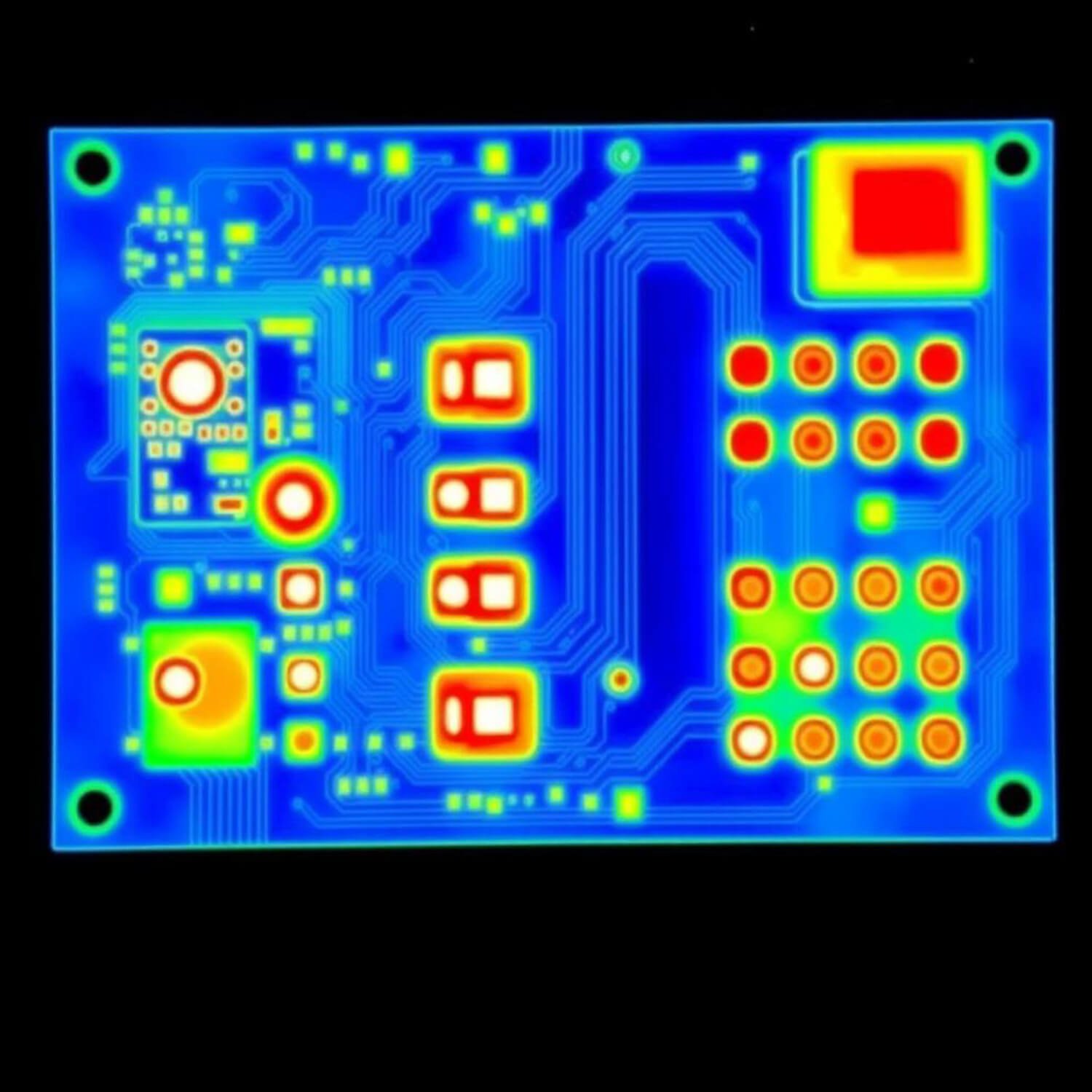
LED PCB Thermal Vias

Thermal Vias

Small plated-through holes that conduct heat from the LED mounting surface to the opposite side of the PCB or internal copper layers.
LED PCB Copper Thickness

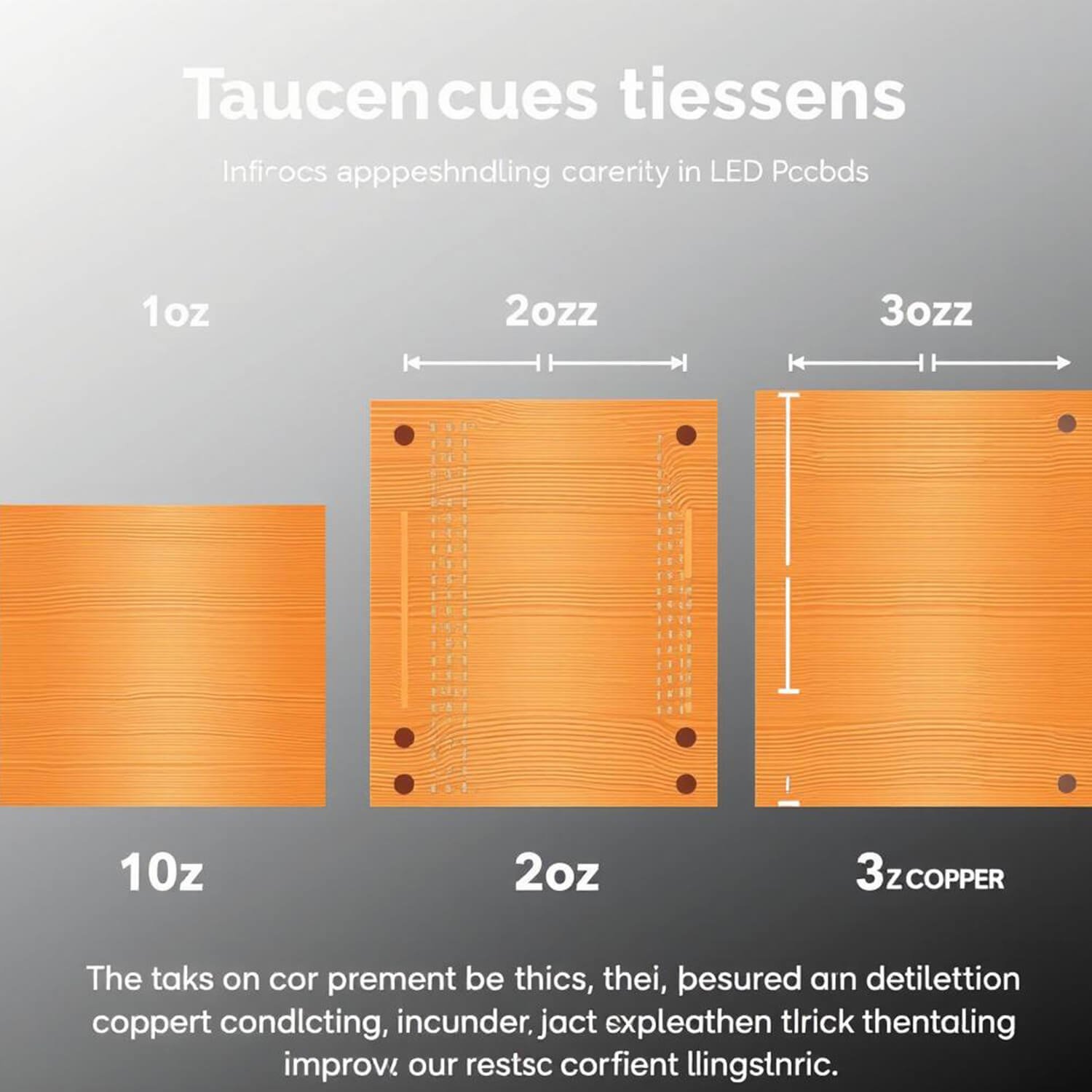
Copper Thickness

Increasing copper thickness (from standard 1oz to 2oz or 3oz) improves thermal conductivity and current-carrying capacity.
LED PCB Thermal Interface Materials

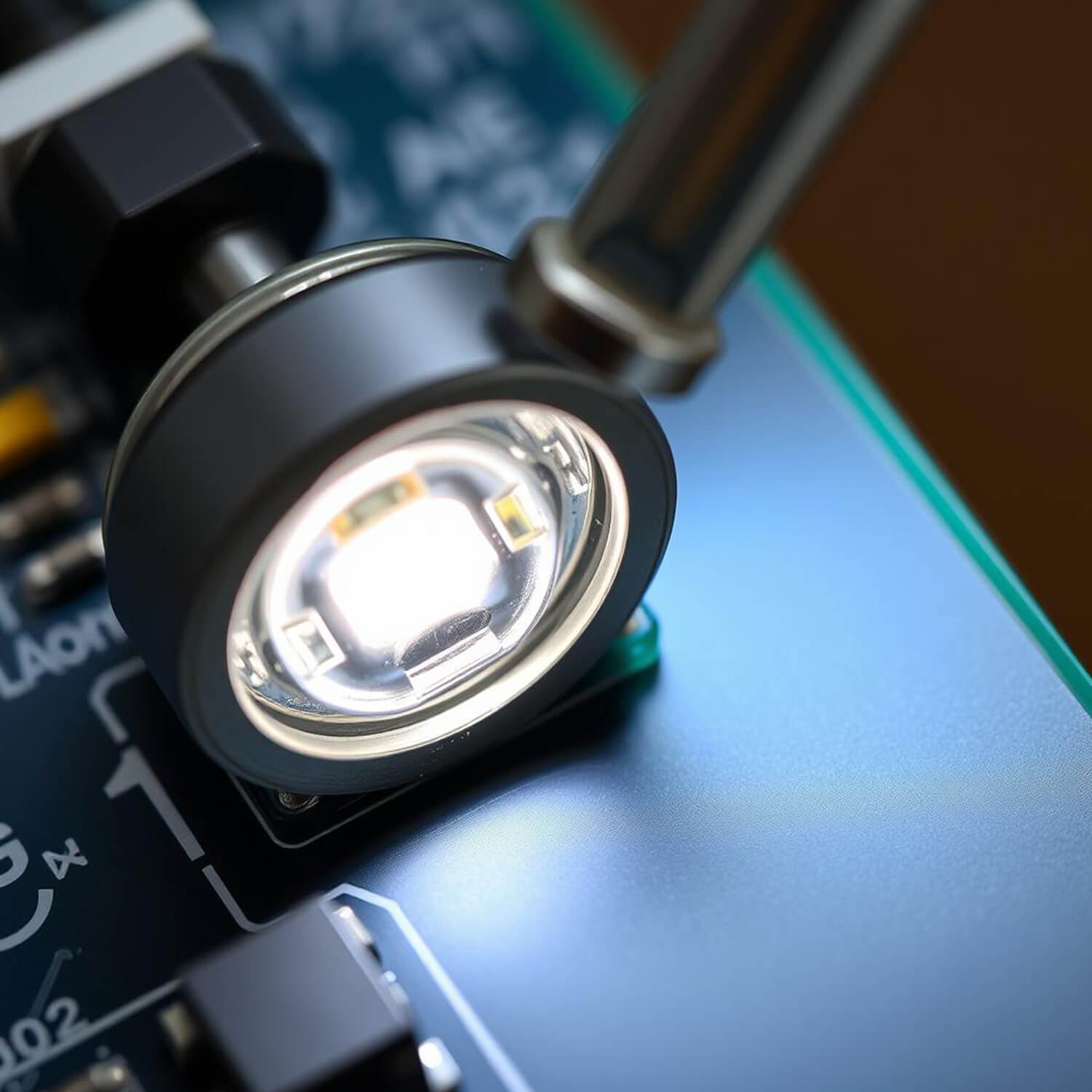
Interface Materials

Specialized materials that fill microscopic air gaps between the LED and PCB to improve thermal conductivity.

Circuit Layout and Trace Design

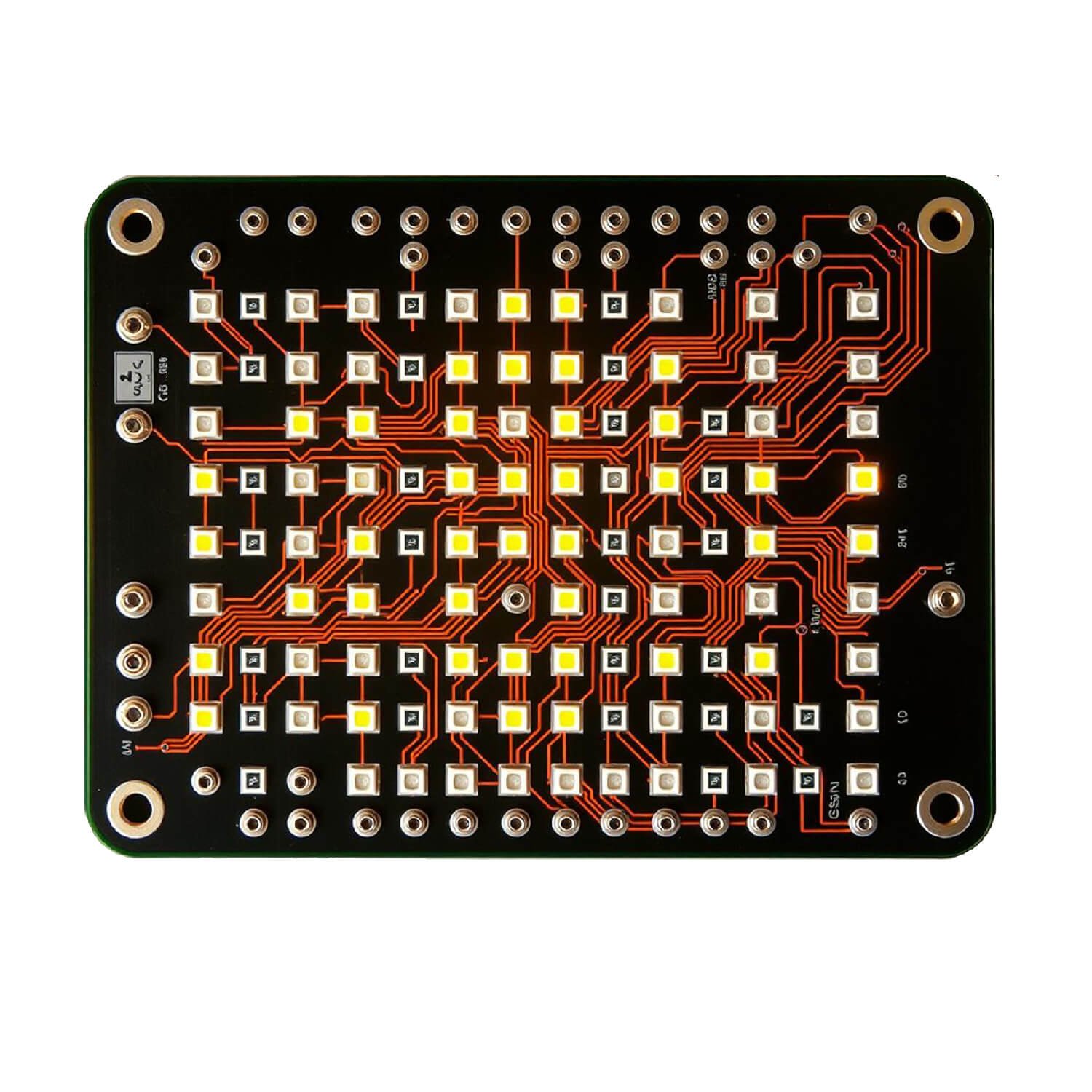
The circuit layout and trace design of an LED PCB directly determine electrical efficiency, thermal performance, optical uniformity, and long-term reliability.

An optimized LED PCB layout ensures uniform current distribution, minimal resistive loss, controlled heat flow, and high manufacturing yield.

Critical Circuit Design Factors

Critical Circuit Design Factors

LED PCB traces must safely carry operating current without excessive heating or voltage drop.

Design considerations include:

  • LED forward current rating
  • Number of LEDs in series or parallel
  • Ambient operating temperature
  • Copper thickness

As a general guideline:

  • Low-power LEDs (<350 mA): wider than standard signal traces
  • High-power LEDs (≥700 mA): significantly widened copper pours

Wider traces reduce resistive loss, improve heat spreading, and increase system efficiency.

Unequal trace lengths and widths cause uneven resistance, leading to brightness variation across LED arrays.

Best practices include:

  • Symmetrical trace routing
  • Equal path length to each LED string
  • Identical copper geometry for parallel branches

This is especially critical in large LED panels, streetlights, and architectural lighting.

Modern LED systems increasingly integrate:

  • Switching LED drivers
  • Dimming circuits
  • Wireless communication modules

Poor PCB layout can introduce:

  • Electromagnetic interference (EMI)
  • Flicker
  • Driver instability

Layout best practices:

  • Short, compact current loops
  • Proper ground planes
  • Separation of power and signal traces
  • Decoupling capacitors placed close to drivers

LEDs should be placed to:

  • Maximize uniform light output
  • Avoid thermal crowding
  • Align with optical elements
  • High-power LEDs should be evenly distributed to prevent localized overheating.


Non-optical components:

  • Should be placed outside the primary light-emitting area
  • Must be thermally isolated from high-power LEDs
  • Should allow easy heat dissipation

In many designs, LED drivers are placed on a separate PCB to reduce thermal and optical interference.

LED PCBs support additional protection features, including:

  • ESD protection
  • Surge suppression
  • Overcurrent and thermal protection circuits

These features are essential for outdoor, industrial, and automotive LED systems.

Material Selection Criteria

Selecting the right materials and optimizing optical performance are fundamental to the success of any LED PCB design.

Unlike conventional PCBs, LED lighting PCBs must be evaluated as part of an integrated electro-thermal-optical system. A suboptimal material or surface choice can negate even the most advanced LED components.

Flex PCB Manufacturring Process

When to Choose Metal Core PCBs

  • High-power LED applications (>1W per LED)
  • Outdoor lighting exposed to temperature extremes
  • Applications requiring long operational lifespans
  • When compact design limits heat sink options
  • Commercial and industrial lighting where reliability is critical

Flex PCB Manufacturring Process

When FR-4 May Be Sufficient

  • Low-power LED applications
  • Temperature-controlled environments
  • Cost-sensitive consumer products
  • When additional cooling methods are available
  • Prototyping and low-volume production

LED PCB Manufacturing

The manufacturing process for LED PCBs is significantly more demanding than that of conventional printed circuit boards.

At PCBSAIL, LED PCB manufacturing follows a structured, engineering-driven workflow designed to deliver high thermal efficiency, stable electrical performance, and repeatable quality at scale.

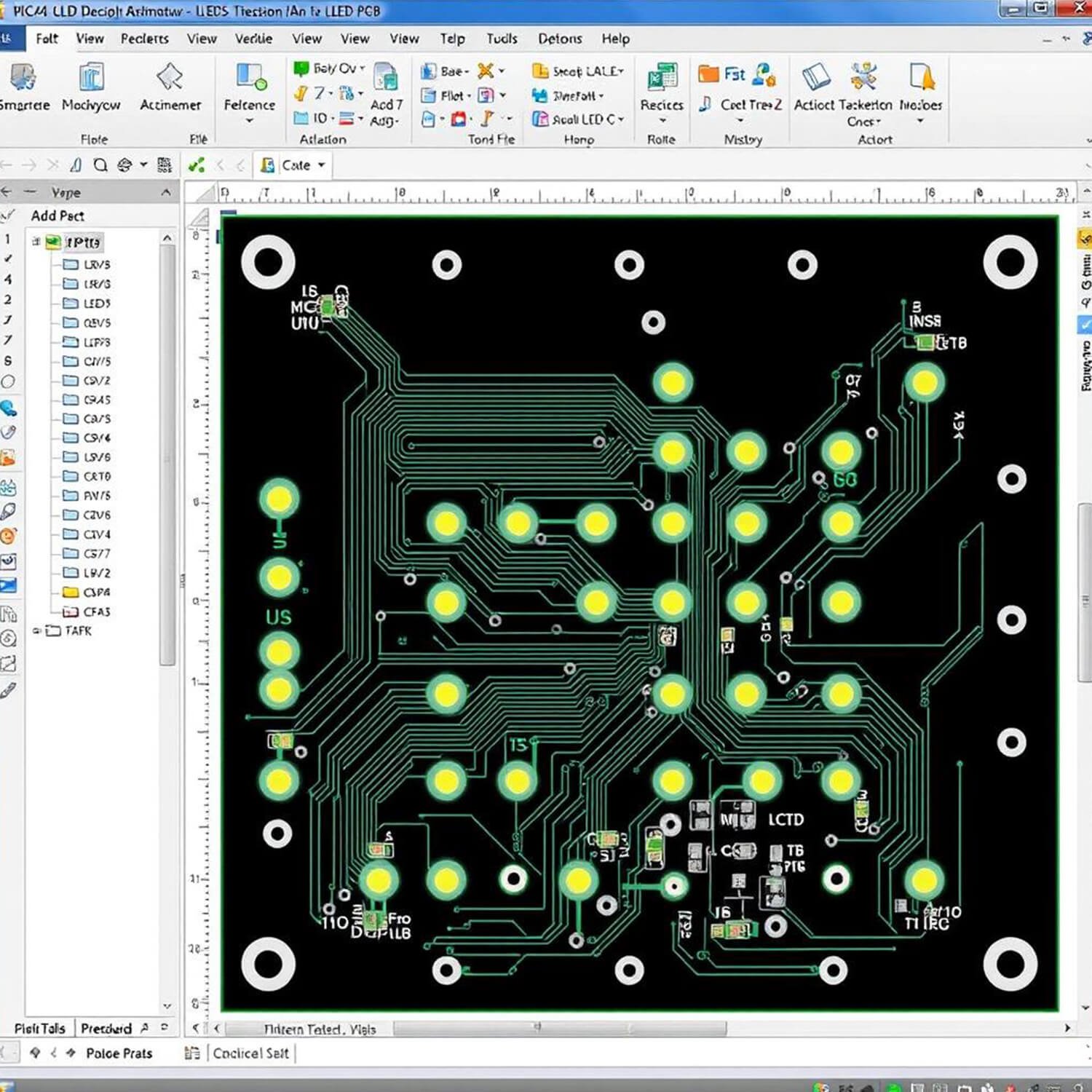
LED PCB Design and Preparation

Design and Preparation

  • Creation of Gerber files from PCB design software
  • Design rule checking (DRC) to verify manufacturability
  • Panelization for efficient production

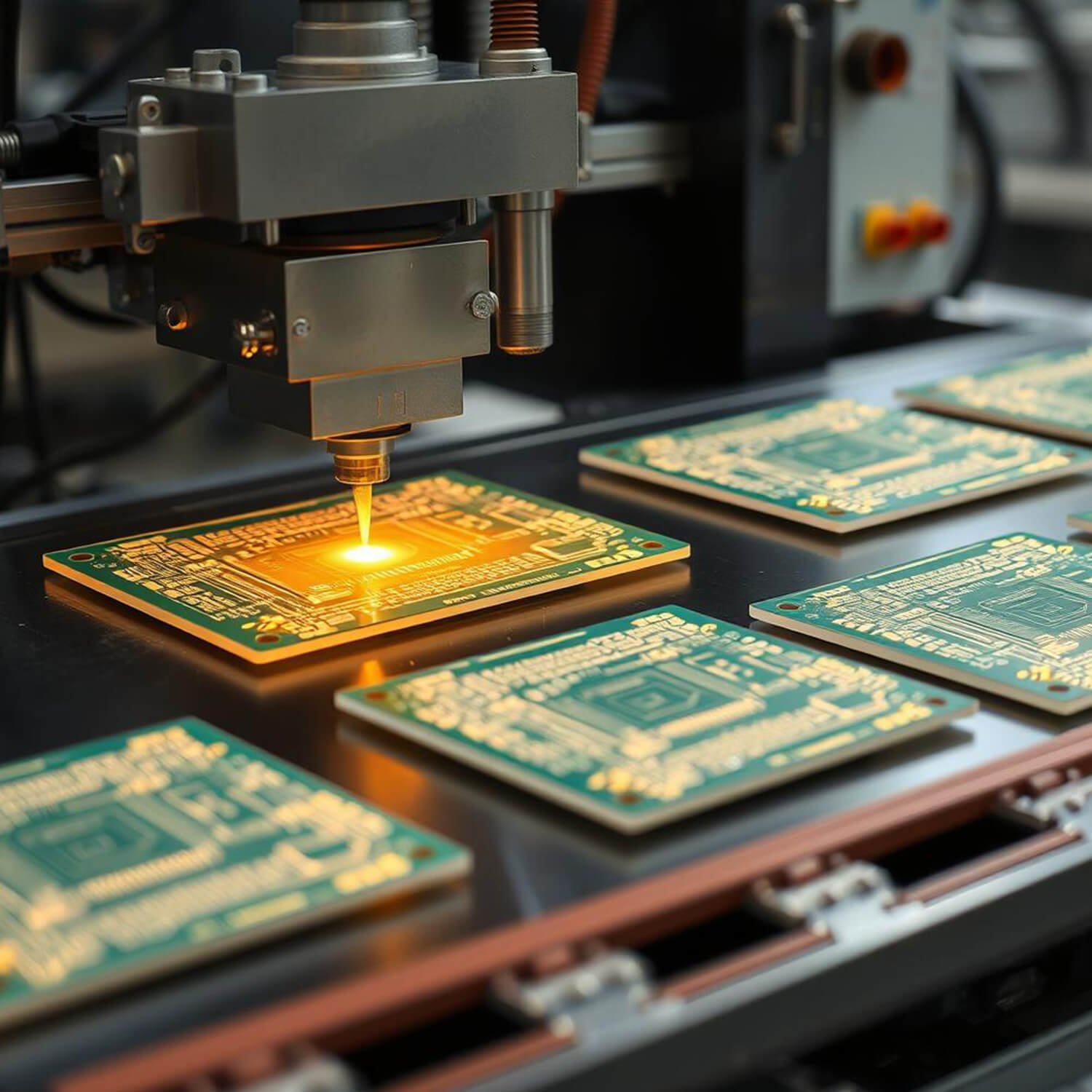
LED PCB Core Manufacturing Steps

Core Manufacturing

  • Substrate preparation and cleaning
  • Photolithography to create circuit patterns
  • Etching to remove unwanted copper
  • Drilling for vias and mounting holes

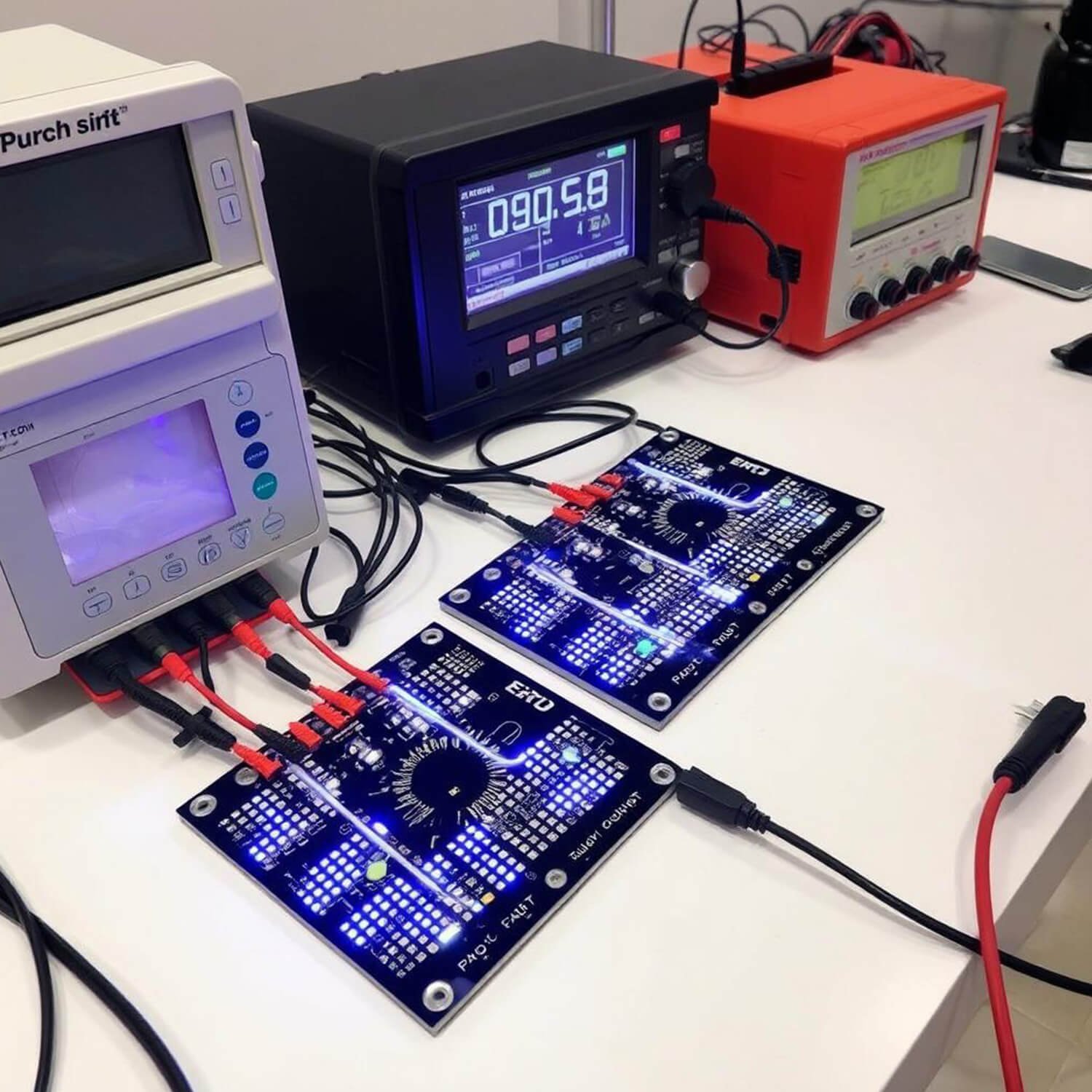
LED PCB Finishing and Testing

Finishing and Testing

  • Solder mask application
  • Surface finish application (HASL, ENIG, etc.)
  • Electrical testing for continuity and shorts
  • Thermal performance verification

Surface Finishing Options

Surface finish plays a crucial role in solderability, shelf life, reliability, and optical quality of LED PCBs.

Surface Finish

Characteristics

Advantages

Limitations

Best For

HASL (Hot Air Solder Leveling)

Molten solder coating

Cost-effective, good solderability

Uneven surface, not ideal for fine-pitch components

Basic LED applications, larger components

ENIG (Electroless Nickel Immersion Gold)

Nickel layer with thin gold coating

Flat surface, excellent shelf life

Higher cost, potential for black pad syndrome

High-reliability LED applications

OSP (Organic Solderability Preservative)

Organic coating over copper

Flat surface, environmentally friendly

Limited shelf life, single soldering cycle

Cost-sensitive, high-volume production

Immersion Silver

Thin silver coating

Good conductivity, flat surface

Susceptible to tarnishing

RF applications, high-frequency lighting controls

Fast Quotation

Our professional sales and engineering teams provide fast PCB quotes and technical support. Simply send us your Gerber files, BOM, and assembly drawings, and we will respond promptly with a competitive solution.

FAQ About LED PCB?

1. What Materials Are Commonly Used For LED PCBs?

The most common LED PCB materials include:

  • FR-4 – Low cost, limited thermal performance
  • Aluminum MCPCB – Industry standard for most LED lighting
  • Copper MCPCB – High-power, high-density LED modules
  • Ceramic (Al₂O₃ / AlN) – Premium applications requiring extreme reliability

Material choice depends on power density, operating environment, cost targets, and lifespan requirements.

Aluminum MCPCBs:

  • Cost-effective
  • Lightweight
  • Excellent for most commercial LED lighting

Copper MCPCBs:

  • Superior thermal conductivity
  • Higher current capacity
  • Best for compact, ultra-high-power LED designs

Copper MCPCBs are chosen when thermal margins are tight and performance outweighs cost.

Yes, but with limitations.

  • FR-4 LED PCBs: Easily multilayer
  • Aluminum MCPCBs: Typically single-layer, some double-layer options
  • Ceramic PCBs: Multilayer possible but costly

Multilayer LED PCBs are used when:

  • Complex driver integration is required
  • Signal routing density is high

Solder mask color significantly impacts optical efficiency.

  • White solder mask: High reflectivity, increased light output
  • Black/dark masks: Absorb light and generate heat

For most LED lighting applications, white solder mask is strongly recommended to maximize luminous efficiency.

Common surface finishes include:

  • HASL – Low cost, uneven surface
  • ENIG – Flat, reliable, excellent shelf life
  • OSP – Cost-effective, limited durability
  • Immersion Silver – Flat, good conductivity

For LED PCBs, flat surface finishes (ENIG, OSP, Immersion Silver) are preferred to ensure consistent solder joints and optical uniformity.

Quality control typically includes:

  • Electrical continuity and short testing
  • Visual inspection (AOI)
  • Thermal performance verification
  • Solderability testing

High-reliability LED PCBs may also undergo:

  • Thermal cycling
  • High-temperature aging
  • Moisture resistance testing

The PCB itself can last well beyond 10–15 years if designed correctly.

Actual system lifespan depends on:

  • Thermal design
  • LED quality
  • Operating conditions
  • Power regulation

Properly designed LED PCBs support 50,000–100,000 hours of LED operation.

Yes. LED PCBs are routinely assembled using:

  • SMT pick-and-place
  • Reflow soldering
  • Selective soldering

Material selection must consider:

  • Thermal expansion compatibility
  • Reflow temperature resistance

Common standards include:

  • IPC-A-600 / IPC-6012
  • ISO 9001 / ISO 14001
  • RoHS / REACH compliance

For automotive and industrial lighting, additional standards may apply.