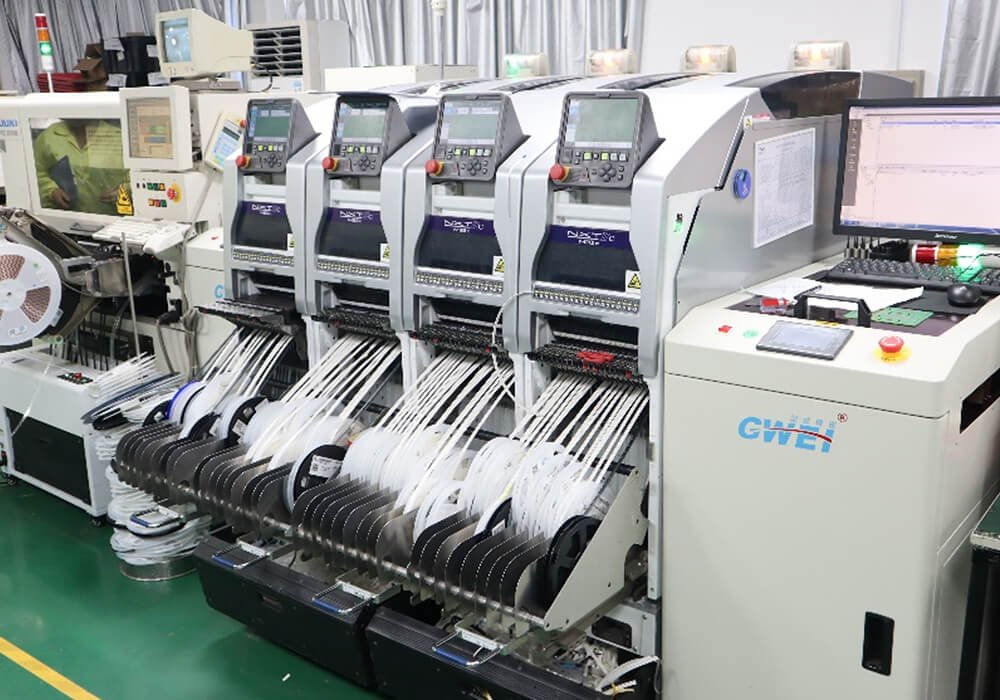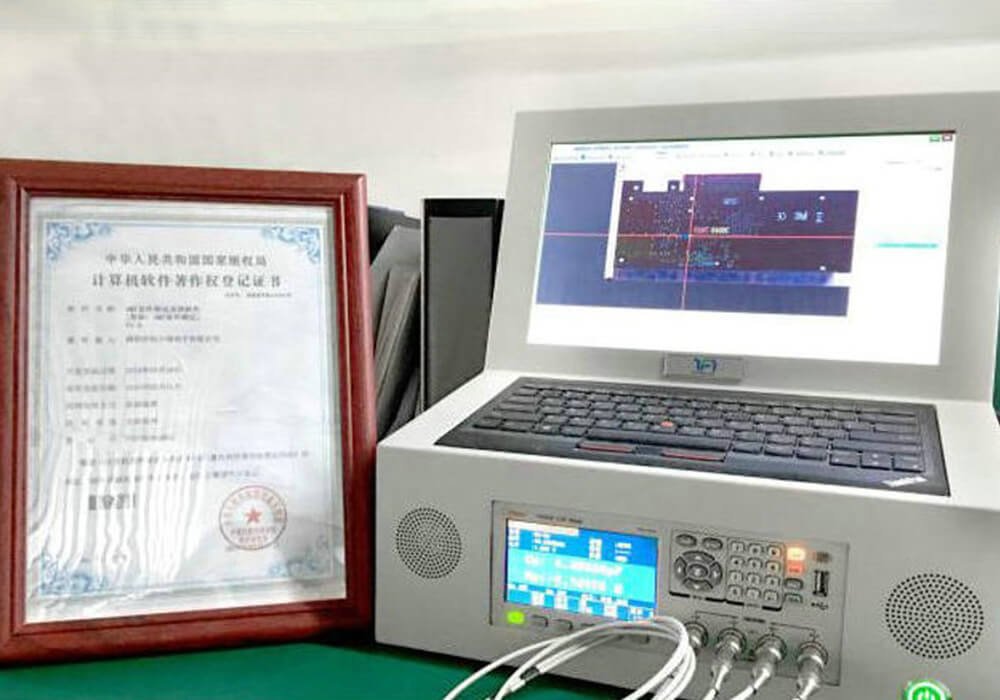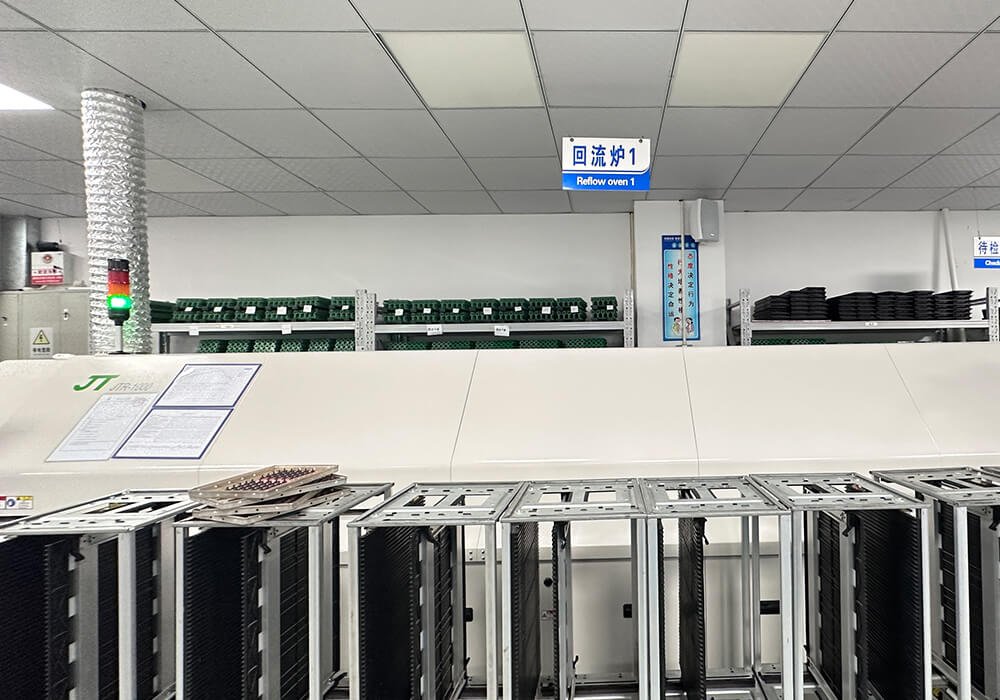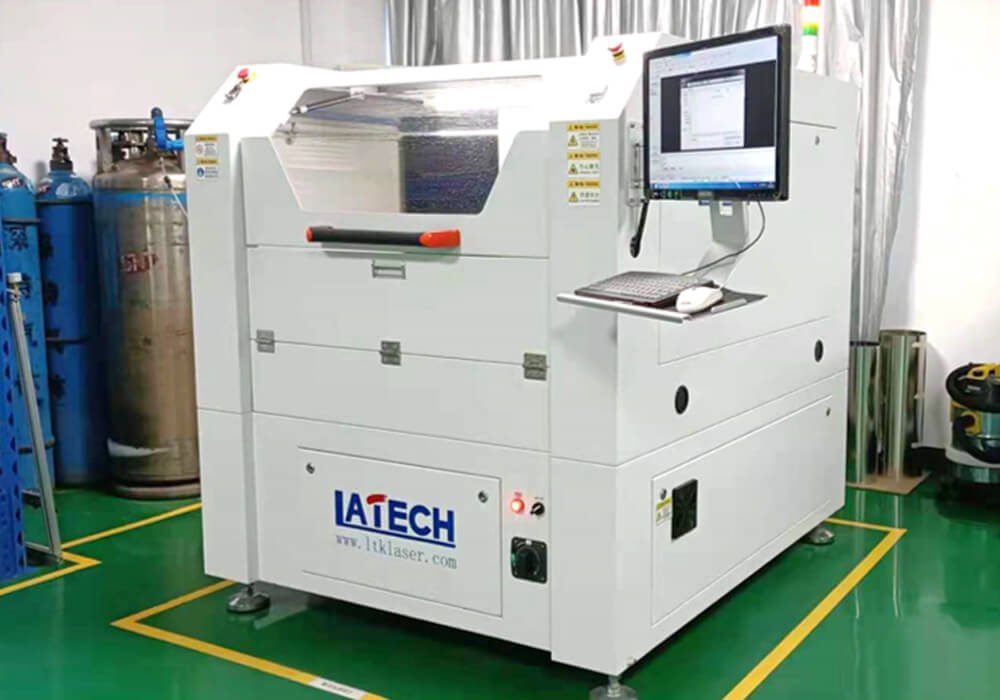

/High Precision SMT & X-Ray Inspection/

BGA Assembly

PCBSAIL provides industry-leading BGA Assembly services for high-density, high-performance electronic products.

As a professional Ball Grid Array (BGA) PCB assembly manufacturer in China, we deliver precise, reliable, and scalable solutions for complex PCB designs requiring advanced SMT technology.

With state-of-the-art SMT lines, real-time inspection systems, and experienced engineering teams, we can ensure high-quality BGA PCB assembly with consistent reliability.

What is BGA Assembly

What is BGA Assembly?

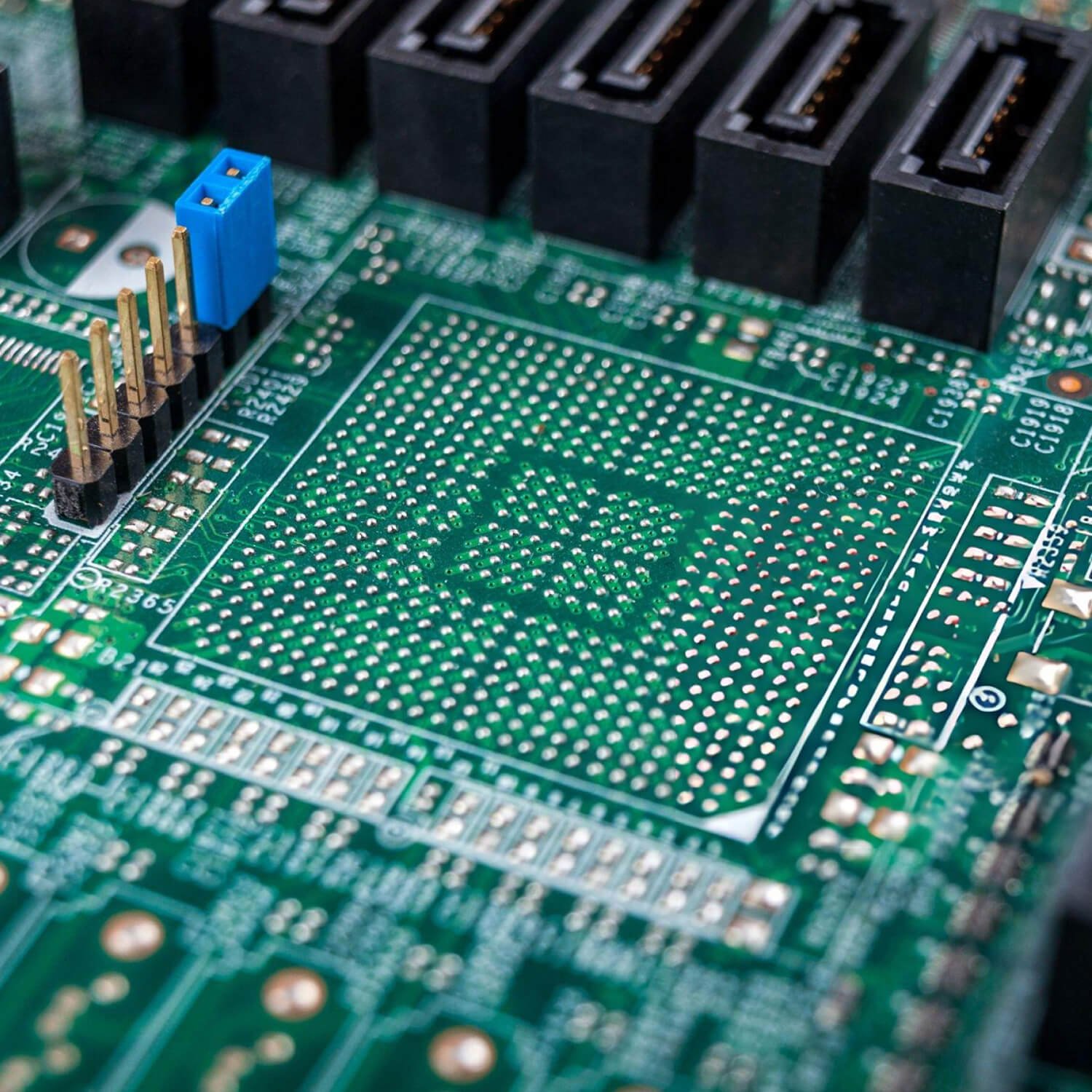
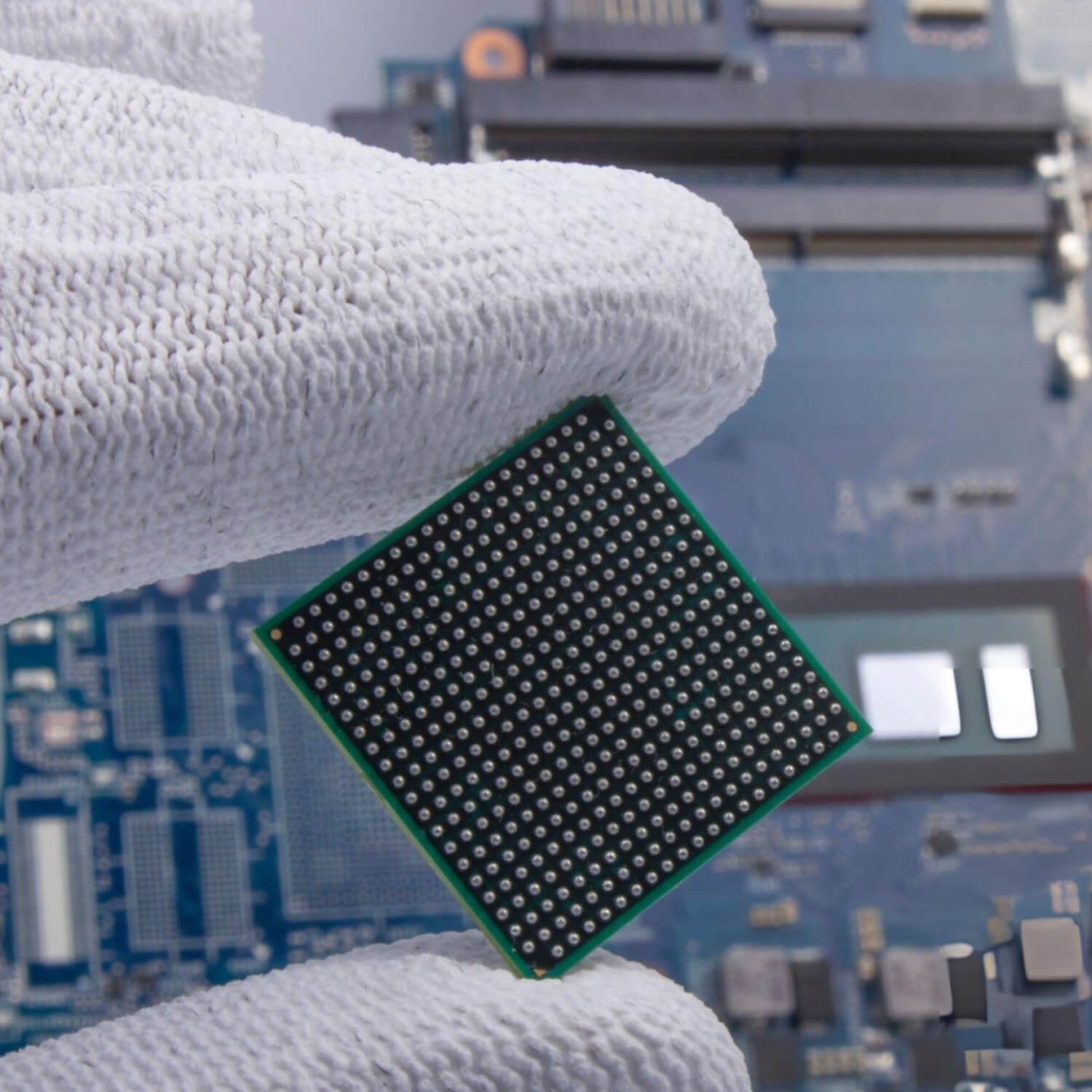
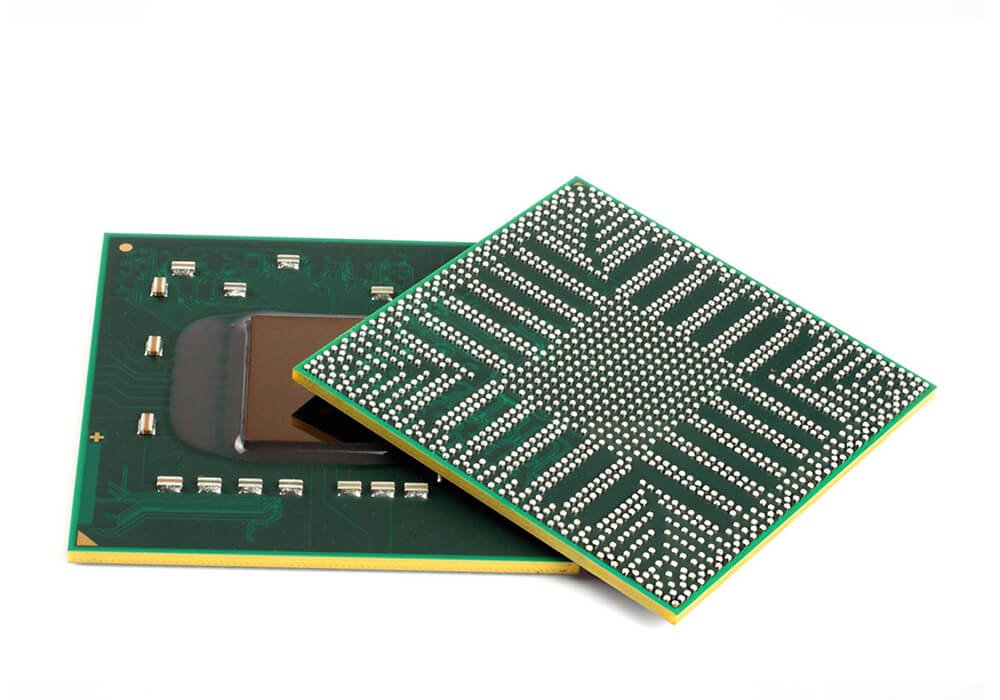
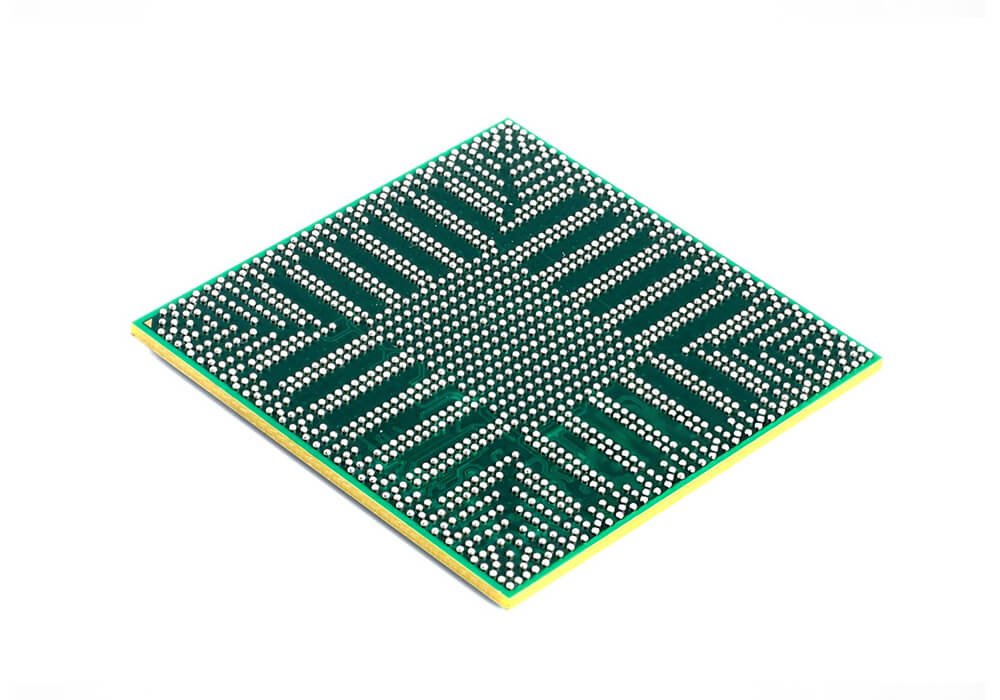
Ball Grid Array (BGA) is a surface-mount packaging technology used for integrated circuits. BGA assembly is a special kind of SMT assembly.

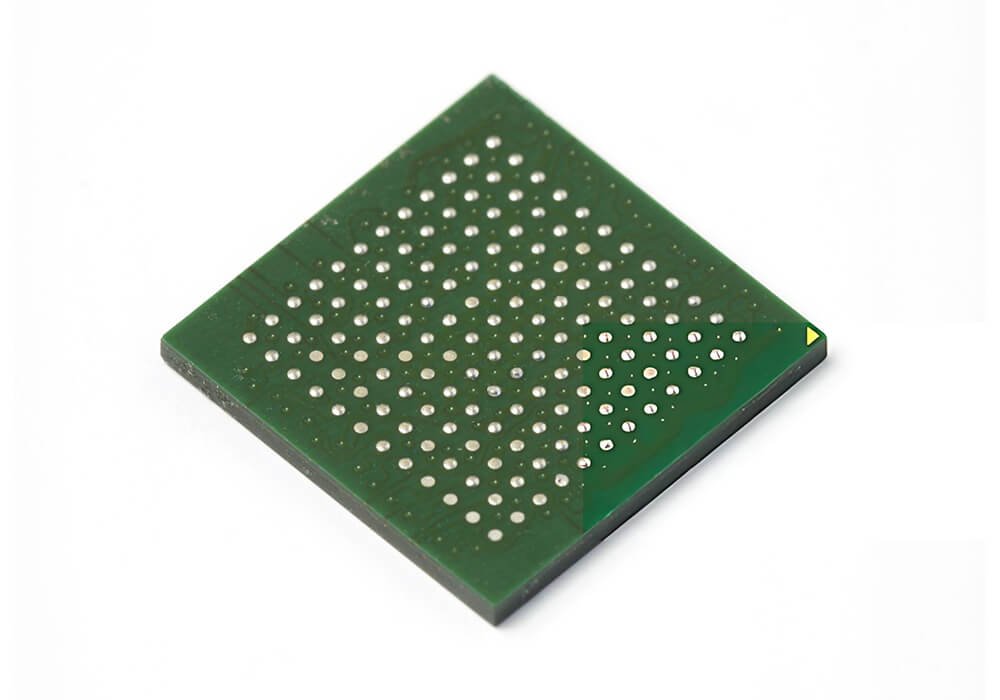
Instead of traditional leads, BGA components use an array of solder balls arranged in a grid pattern beneath the package.

These solder balls serve as electrical and mechanical connections between the IC and the PCB.

Key Characteristics:

  • High pin count and density
  • Compact footprint
  • Improved thermal performance
  • Better electrical characteristics due to short interconnections

Compared with traditional packages like QFP, BGA significantly enhances signal integrity, heat dissipation, and board space utilization.

BGA Assembly Type

We provided a comprehensive range of BGA assembly services to support diverse applications—from compact consumer electronics to high-reliability industrial and automotive systems.

BGA Assembly Supplier
BGA Assembly Near Me
Best BGA Assembly
Flex PCB Manufacturring Process

PBGA Assembly

PBGA assembly is the most widely used and cost-effective BGA solution.
What We Offer:

  • Standard and fine-pitch PBGA assembly
  • Lead-free (RoHS compliant) processes
  • High-volume production support

Flex PCB Manufacturring Process

CBGA Assembly

Our CBGA assembly services are designed for high-reliability environments.
What We Offer:

  • High-temperature ceramic substrate handling
  • Precision reflow profile control
  • Strict moisture sensitivity management

Flex PCB Manufacturring Process

TBGA Assembly

We support TBGA assembly for thin and lightweight designs.
What We Offer:

  • Flexible substrate assembly
  • Advanced thermal management processes
  • Fine alignment and placement

Flex PCB Manufacturring Process

FCBGA Assembly

Our FCBGA assembly capability supports high-performance applications.
What We Offer:

  • Flip-chip mounting technology
  • Underfill process support
  • High-speed signal optimization

Flex PCB Manufacturring Process

Micro BGA Assembly

We provide micro BGA assembly for ultra-compact designs.
What We Offer:

  • Fine-pitch placement (down to 0.3 mm)
  • High-precision solder paste printing
  • Advanced inspection systems

BGA Assembly Feature

BGA (Ball Grid Array) assembly is a cornerstone of modern high-density PCB manufacturing. At PCBSAIL, our BGA assembly services are engineered to deliver precision, reliability, and performance across all project scales.

BGA Assembly Feature

BGA packages utilize the entire underside of the component for connections, enabling:

  • Significantly higher I/O count compared to QFP or SOP packages
  • Compact PCB layouts with increased functionality
  • Efficient routing for complex multilayer designs

It makes BGA assembly essential for HDI PCB.

BGA assembly improves signal integrity due to:

  • Shorter electrical paths
  • Lower parasitic inductance and resistance
  • Reduced signal distortion and crosstalk

Thermal performance is a key feature of BGA assembly:

  • Direct heat transfer from the chip to the PCB
  • Lower thermal resistance compared to leaded packages
  • Compatibility with thermal vias and heat sinks

BGA solder joints provide:

  • Uniform stress distribution
  • Higher resistance to vibration and mechanical shock
  • Long-term durability

BGA assembly supports:

  • Fine-pitch solder balls (as low as 0.3 mm or below)
  • Ultra-compact component placement
  • High-density board designs

BGA Assembly Process

The BGA (Ball Grid Array) assembly process is a highly controlled and precision-driven SMT (Surface Mount Technology) workflow. Each stage is important to ensure reliable solder joints, strong electrical connections, and long-term product stability.

We carry a standardized, IPC-compliant BGA assembly process to ensure quality.

Flex PCB Manufacturring Process

Solder Paste Printing

The process begins with applying solder paste onto the PCB pads using a precision stencil. We need to ensure the correct volume of solder for forming strong and reliable joints.

Flex PCB Manufacturring Process

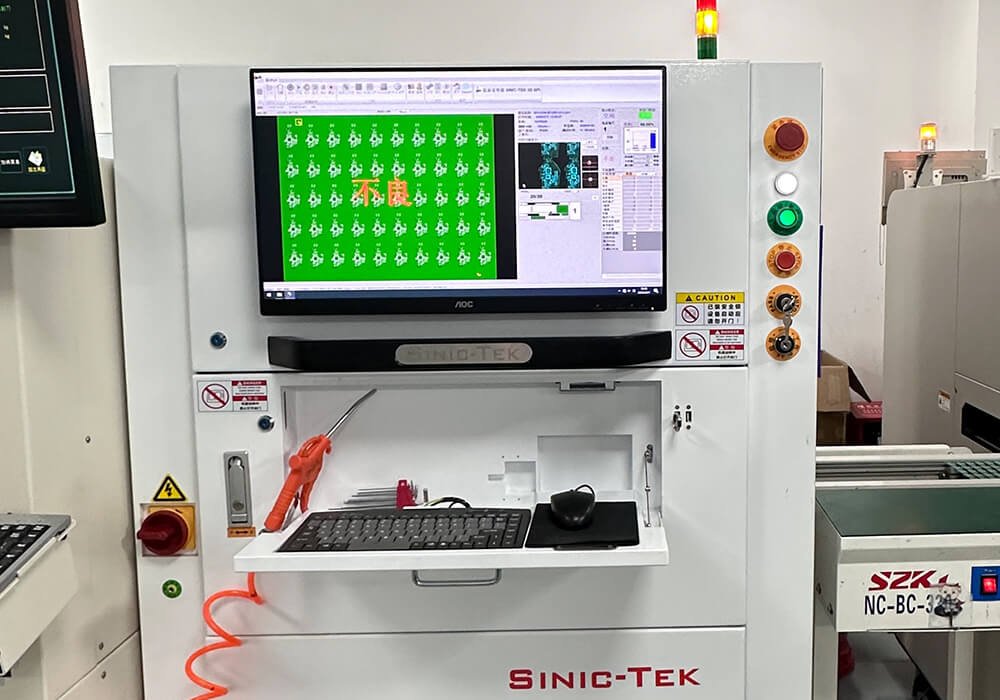
SPI

After printing, SPI systems are used to inspect solder paste quality. We need to check the paste Volume, height &thickness, and alignment accuracy.

Flex PCB Manufacturring Process

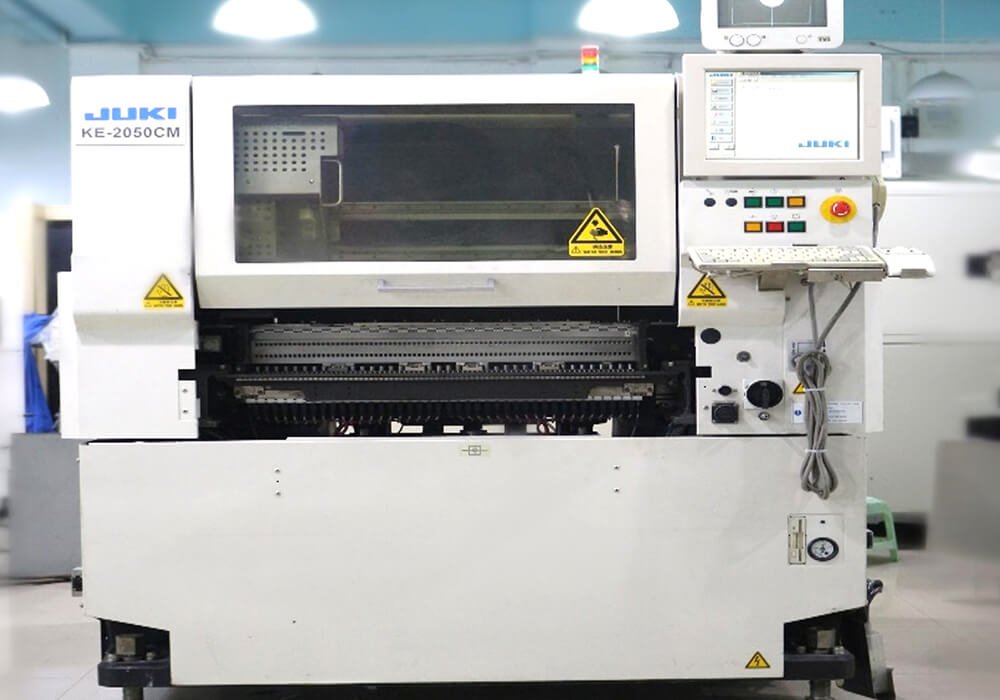
Component Place

BGA components are placed onto the PCB using high-speed pick-and-place machines equipped with vision alignment systems.

Flex PCB Manufacturring Process

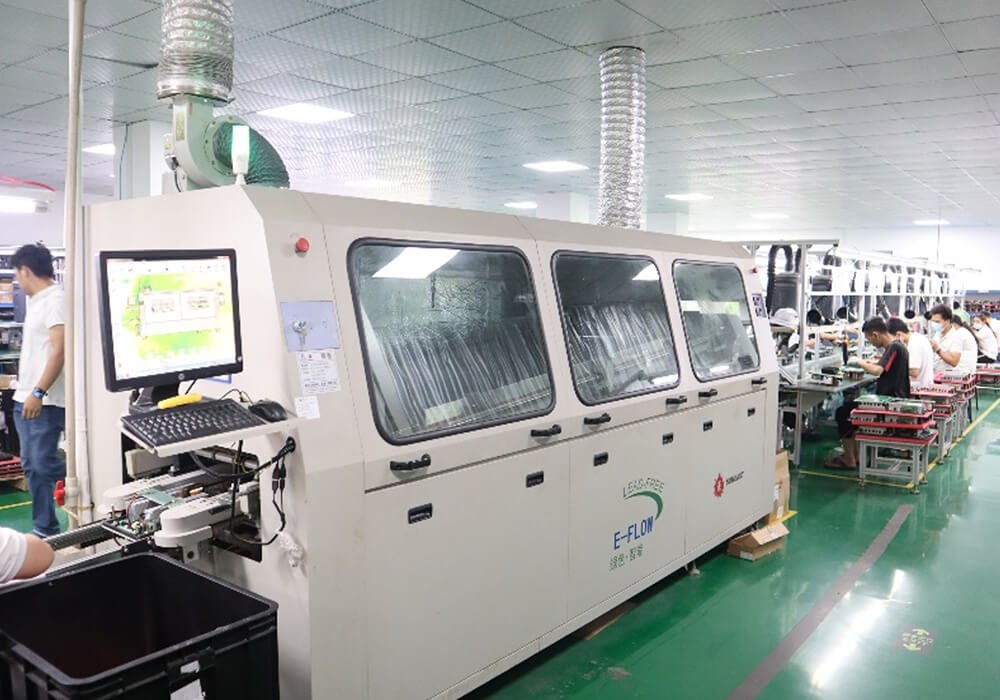
Reflow Soldering

The PCB passes through a controlled reflow oven, where solder paste melts and forms connections.
Critical Factors:

  • Temperature Profile Optimization
  • Controlled Heating And Cooling Rates
  • Nitrogen Environment (Optional For High Reliability)

Flex PCB Manufacturring Process

Cooling Process

Controlled cooling solidifies the solder joints. It can prevent thermal stress and avoid cracks and defects to ensure mechanical strength.

Flex PCB Manufacturring Process

AOI

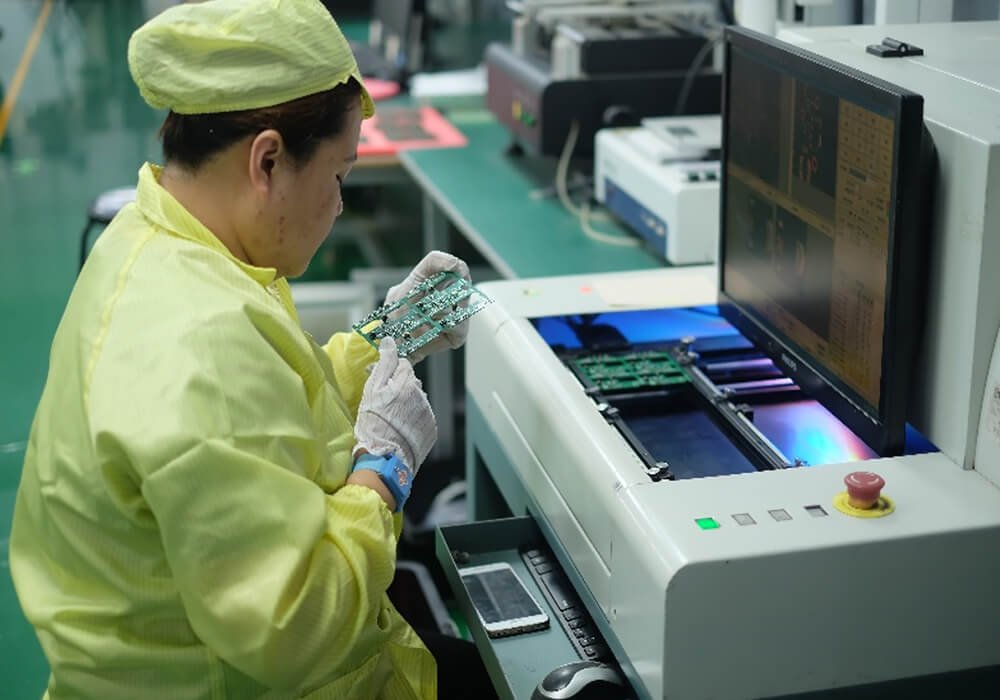
AOI systems inspect visible components and solder joints.

Flex PCB Manufacturring Process

X-Ray Inspection

Since BGA joints are not visible, X-ray inspection is essential.
What We Detect:

  • Solder voids
  • Bridging and shorts
  • Missing or insufficient solder
  • Misalignment

Flex PCB Manufacturring Process

Electrical Testing

Functional and electrical tests ensure circuit integrity.

Flex PCB Manufacturring Process

Final Quality

Before shipment, each PCB undergoes final inspection.
Includes:

  • Visual Inspection
  • Dimensional Checks
  • Quality Verification

Wave Soldering Machine
Universal SMT Machine
SPI
Speed SMT Machine
Sample Tester
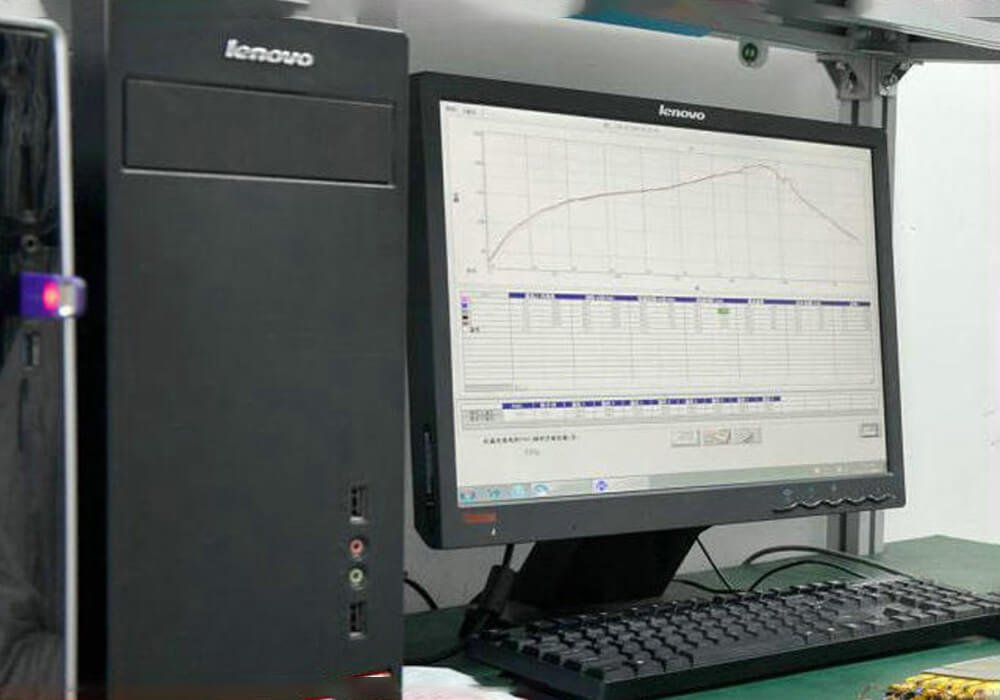
Reflow Oven
Laser Stencil Mach
KIC Oven Profiling System
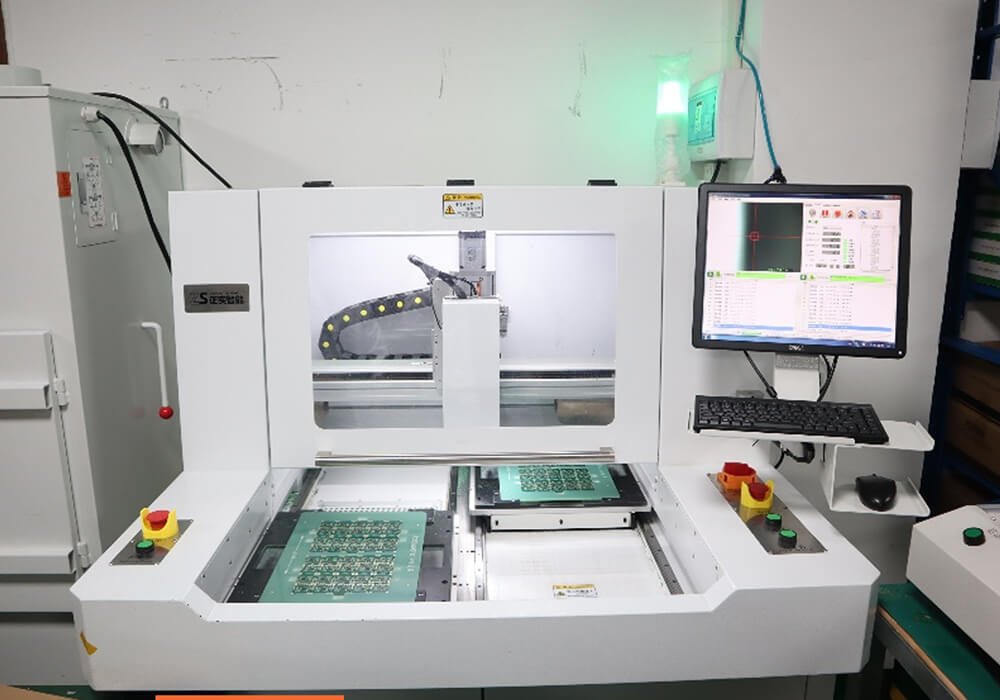
Fully Automated PCB Depaneling Equipment
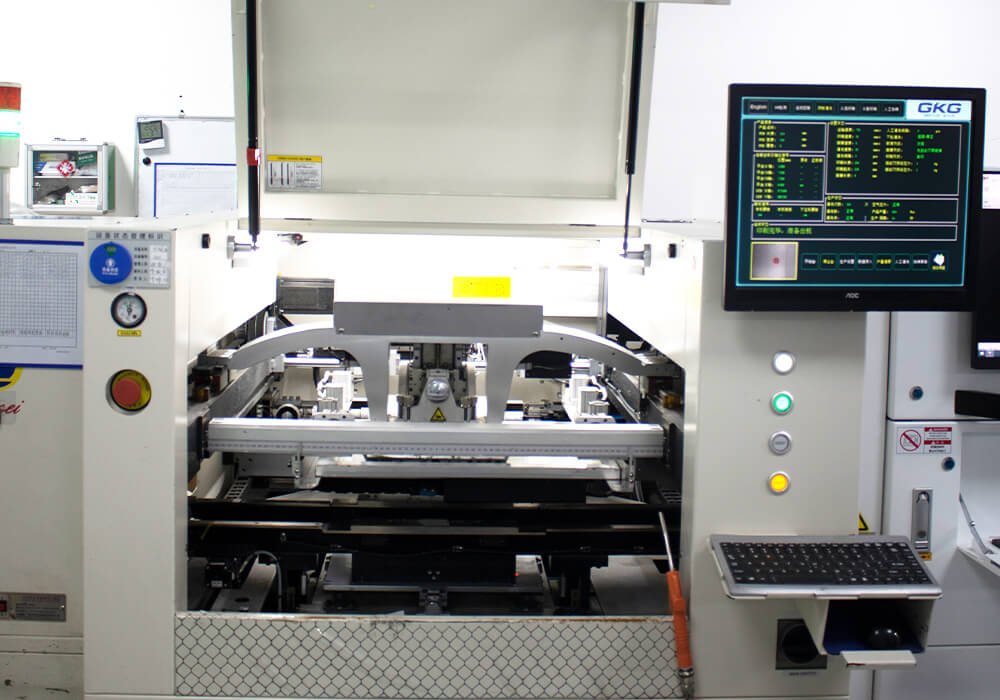
Automatic Printing Machine
AOI Machine

BGA Assembly Quality Inspection

Inspecting BGA (Ball Grid Array) Quality is an important step in PCB assembly because the solder joints are hidden beneath the component. 

Unlike traditional packages, BGA defects cannot be reliably detected through visual inspection alone. Therefore, advanced inspection and testing methods are required to ensure electrical integrity, mechanical reliability, and long-term performance.

We implement a multi-layered inspection strategy to eusure its quality.


BGA Assembly Quality Inspection

X-ray inspection is the most important technique for BGA quality control.

What It Detects:

  • Solder voids
  • Bridging (short circuits)
  • Missing or insufficient solder balls
  • Misalignment
  • Head-in-Pillow defects

AOI is used for inspecting visible aspects of the assembly.

What It Checks:

  • Component placement accuracy
  • PCB surface defects
  • Solder paste alignment (pre-reflow)

SPI is performed before component placement.

What It Measures:

  • Solder paste volume
  • Height and thickness
  • Paste alignment

Electrical testing ensures that the assembled PCB functions correctly.

Methods:

  • In-Circuit Testing (ICT)
  • Flying Probe Testing
  • Functional Testing (FCT)

What It Detects:

  • Open circuits
  • Short circuits
  • Signal integrity issues

Endoscopes are sometimes used to inspect limited areas under the BGA.

Defects and Prevention

BGA (Ball Grid Array) assembly requires extremely tight process control. Due to the hidden nature of solder joints and fine-pitch structures, even minor deviations can result in defects that compromise reliability.

BGA Assembly Defects and Prevention

Voids are air pockets trapped within the solder joint during reflow.

Causes:

  • Excessive flux or volatile content
  • Improper reflow temperature profile
  • Poor solder paste quality
  • Contamination on PCB pads

Risks:

  • Reduced thermal conductivity
  • Weak mechanical strength
  • Potential long-term failure

Prevention:

  • Optimize reflow profile (controlled ramp-up and soak time)
  • Use high-quality, low-void solder paste
  • Apply vacuum reflow or nitrogen atmosphere
  • Ensure clean PCB surfaces

A condition where the solder ball and paste do not fully merge, creating a weak or intermittent connection.

Causes:

  • Oxidized solder balls or pads
  • Warpage of PCB or component
  • Non-uniform heating during reflow

Risks:

  • Intermittent electrical connection
  • Reduced reliability under thermal cycling

Prevention:

  • Store components under proper humidity control (MSL compliance)
  • Use fresh solder paste and components
  • Ensure uniform temperature distribution
  • Optimize reflow profile

Unintended solder connections between adjacent pads or balls.

Causes:

  • Excess solder paste
  • Incorrect stencil design
  • Misalignment during placement

Risks:

  • Electrical short circuits
  • Device malfunction or failure

Prevention:

Optimize stencil thickness and aperture design

Control solder paste volume

Improve placement accuracy

Use AOI and SPI for early detection

Poor solder bonding where the solder does not properly wet the pad or ball.

Causes:

  • Insufficient reflow temperature
  • Oxidized surfaces
  • Inactive or degraded flux

Risks:

  • High electrical resistance
  • Weak mechanical strength
  • Potential open circuits

Prevention:

  • Maintain proper reflow temperature profile
  • Clean PCB pads thoroughly
  • Use high-quality flux and solder paste
  • Ensure proper storage of materials

Fractures in solder joints caused by mechanical or thermal stress.

Causes:

  • Thermal cycling
  • Mismatch in CTE (Coefficient of Thermal Expansion)
  • PCB warpage

Risks:

  • Intermittent or permanent failure
  • Reduced product lifespan

Prevention:

  • Use materials with matched CTE
  • Control cooling rate after reflow
  • Minimize board warpage
  • Apply underfill for high-stress applications

Incomplete solder connections due to missing or inadequate solder.

Causes:

  • Poor solder paste printing
  • Component defects
  • Handling damage

Risks:

  • Open circuits
  • Functional failure

Prevention:

  • Perform SPI inspection
  • Verify component quality before assembly
  • Use precise pick-and-place systems

Industries We Have Previously Served

Our BGA assembly services are applied in modern electronics industries.

PCB Manufacturer Automotive Electronics

Automotive Electronics

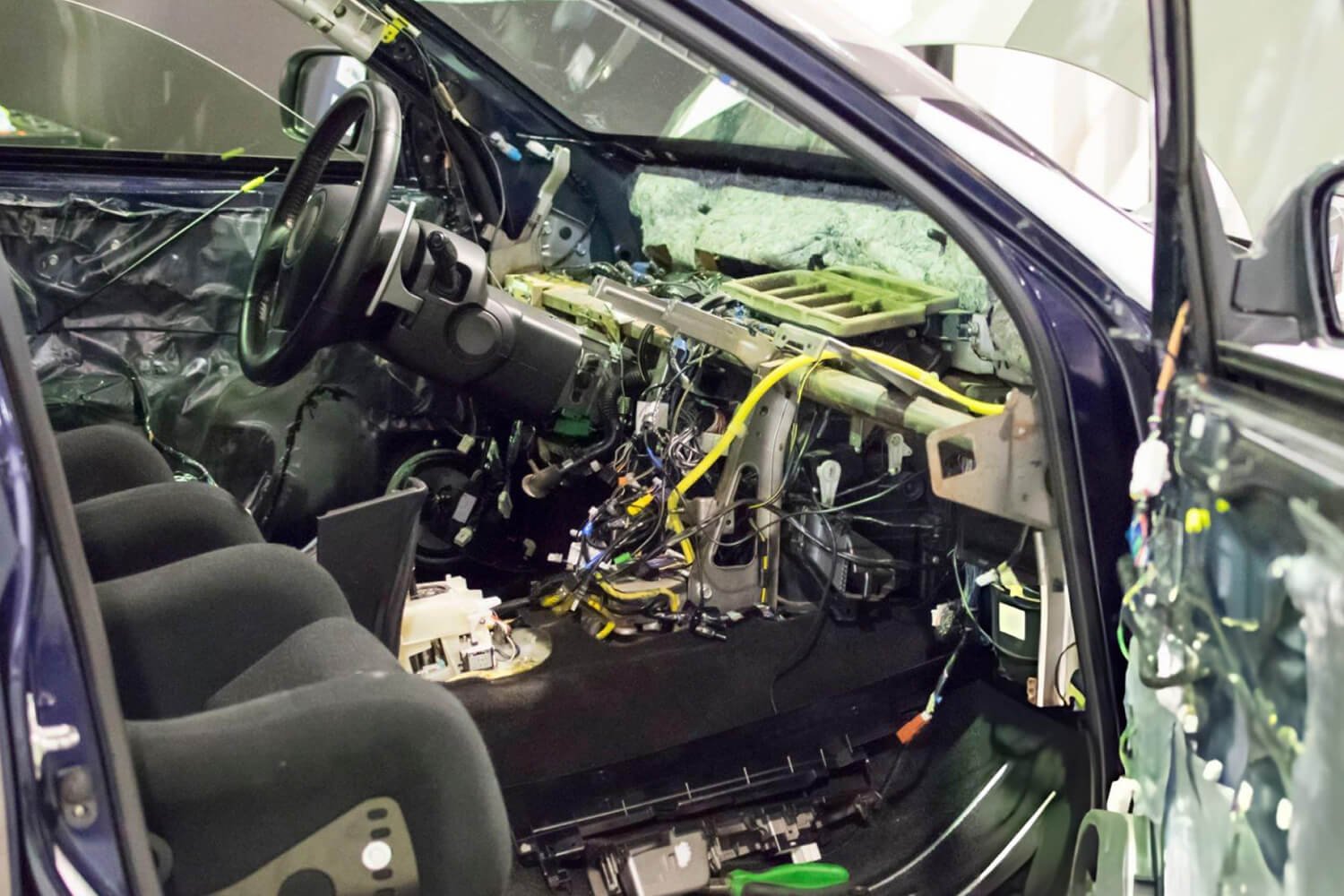
Modern vehicles rely heavily on electronic control systems, many of which use BGA components.

  • Engine Control Units (ECUs)
  • Advanced Driver Assistance Systems (ADAS)
  • Infotainment Systems
  • Battery Management Systems (EVs)

PCB Manufacturer Medical Devices

Medical Devices

Medical electronics require precision and reliability at the highest level.

  • Diagnostic Imaging Equipment
  • Patient Monitoring Systems
  • Portable Medical Devices
  • Surgical Instruments

PCB Manufacturer Consumer Electronics

Consumer Electronics

BGA assembly is essential in compact, high-performance consumer devices.

  • Smartphones And Tablets
  • Laptops And Desktops
  • Gaming Consoles
  • Smart Home Devices

PCB Manufacturer Telecommunications

Telecommunication

Telecommunication systems require high-frequency and high-speed signal integrity.

  • Routers And Switches
  • Base Stations
  • Network Servers
  • 5G Communication Modules

Aerospace

Aerospace

BGA assembly is used in mission-critical systems where reliability is non-negotiable.

  • Avionics Systems
  • Radar And Communication Systems
  • Satellite Electronics
  • Defense Control Systems

Fast Quotation

Our professional sales and engineering teams provide fast PCB quotes and technical support. Simply send us your Gerber files, BOM, and assembly drawings, and we will respond promptly with a competitive solution.

FAQ About BGA Assembly

1. What is BGA Assembly?

BGA Assembly is a surface mount technology (SMT) process used to mount BGA-packaged integrated circuits onto a PCB using an array of solder balls. 

These solder balls form both electrical and mechanical connections during reflow soldering.

BGA offers several advantages compared to packages like QFP:

  • Higher pin density
  • Better electrical performance (low inductance)
  • Improved heat dissipation
  • Smaller PCB footprint
  • Self-alignment during soldering

Our advanced SMT capabilities support fine-pitch BGA assembly down to 0.3 mm, ensuring compatibility with high-density and miniaturized designs.

Yes, BGA components can be reworked using specialized equipment. The process involves:

  • Component removal
  • Pad cleaning
  • Reballing (if required)
  • Reinstallation

However, BGA rework requires precise control and experienced technicians.

We support multiple PCB materials, including:

  • FR4
  • High-Tg FR4
  • High-frequency materials (Rogers)
  • Metal core PCB

Yes, all our BGA assembly services are RoHS compliant, supporting lead-free solder such as SAC alloys (Sn-Ag-Cu).

To provide an accurate quote, we typically require:

  • Gerber files
  • BOM (Bill of Materials)
  • Pick & Place file
  • Assembly drawings
  • BGA datasheets (if applicable)

MSL (Moisture Sensitivity Level) defines how sensitive a component is to moisture.

Improper handling can cause:

  • “Popcorning” during reflow
  • Internal damage

We strictly follow MSL guidelines, including controlled storage and baking processes.

Yes, we provide full turnkey PCB assembly services, including: