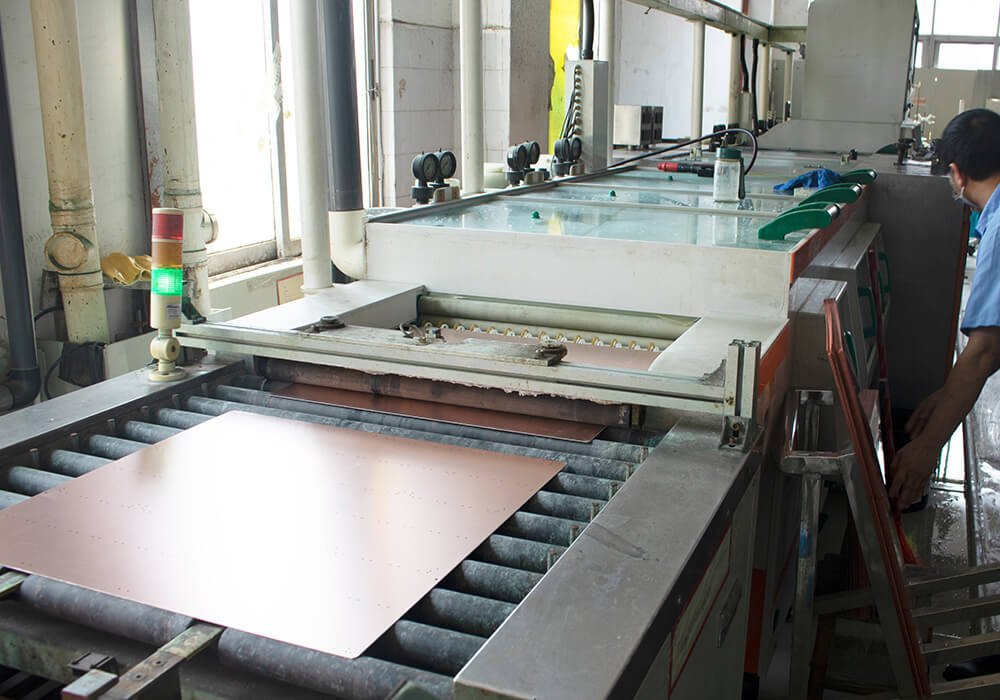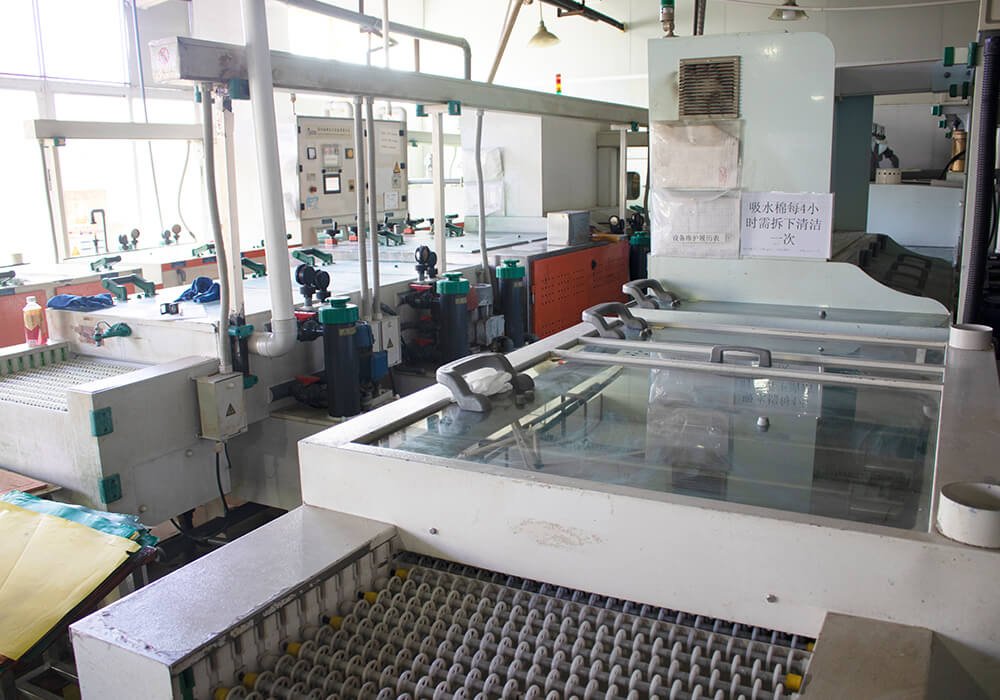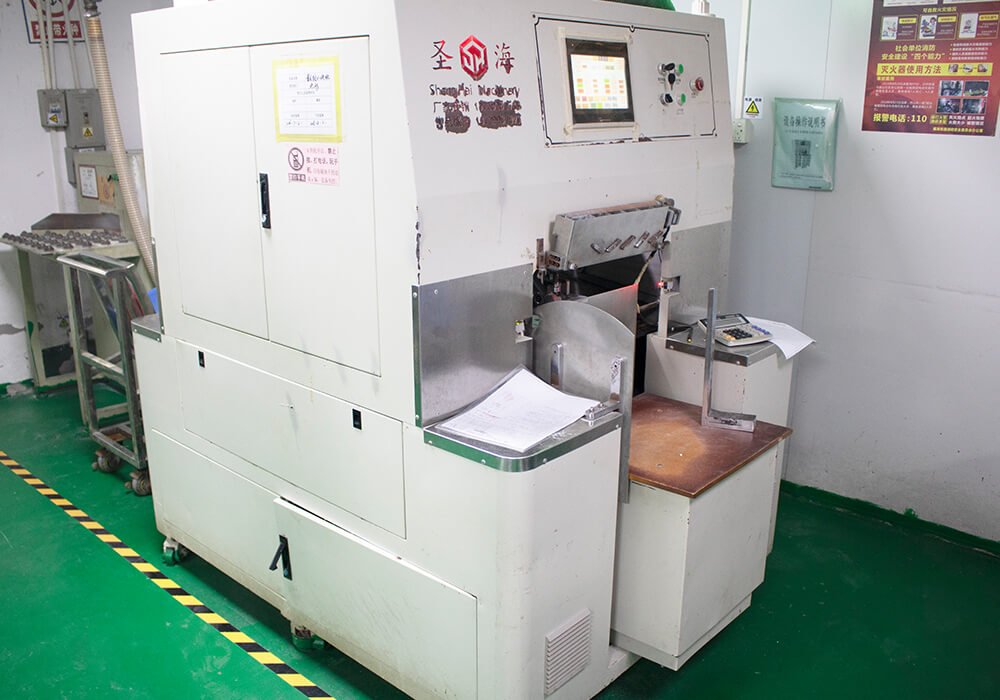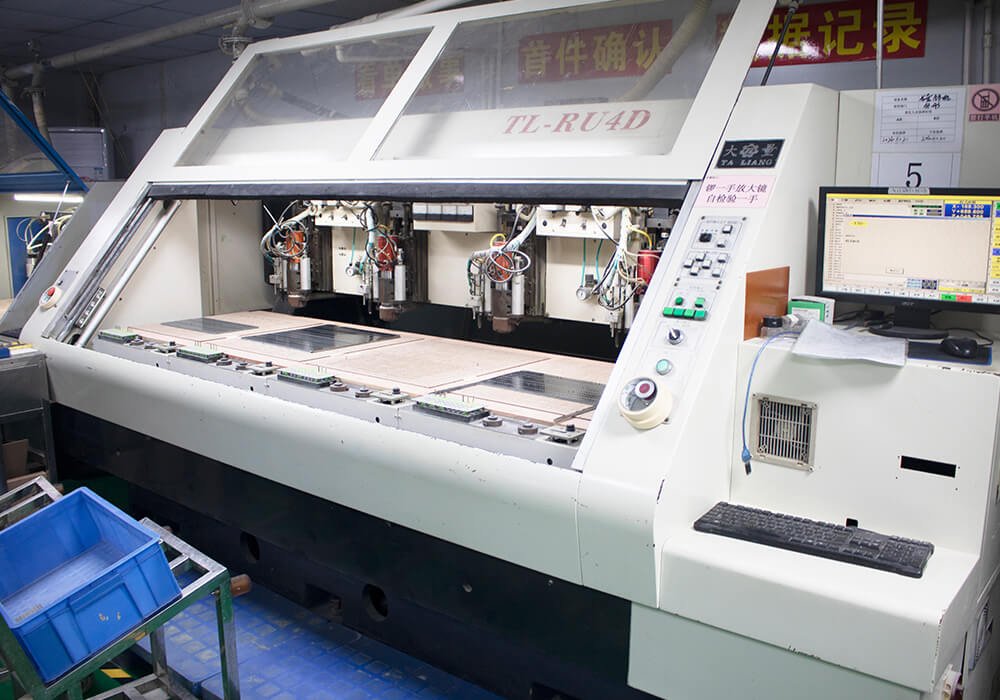

/High Thermal Conductivity/

High-Reliability Ceramic PCB

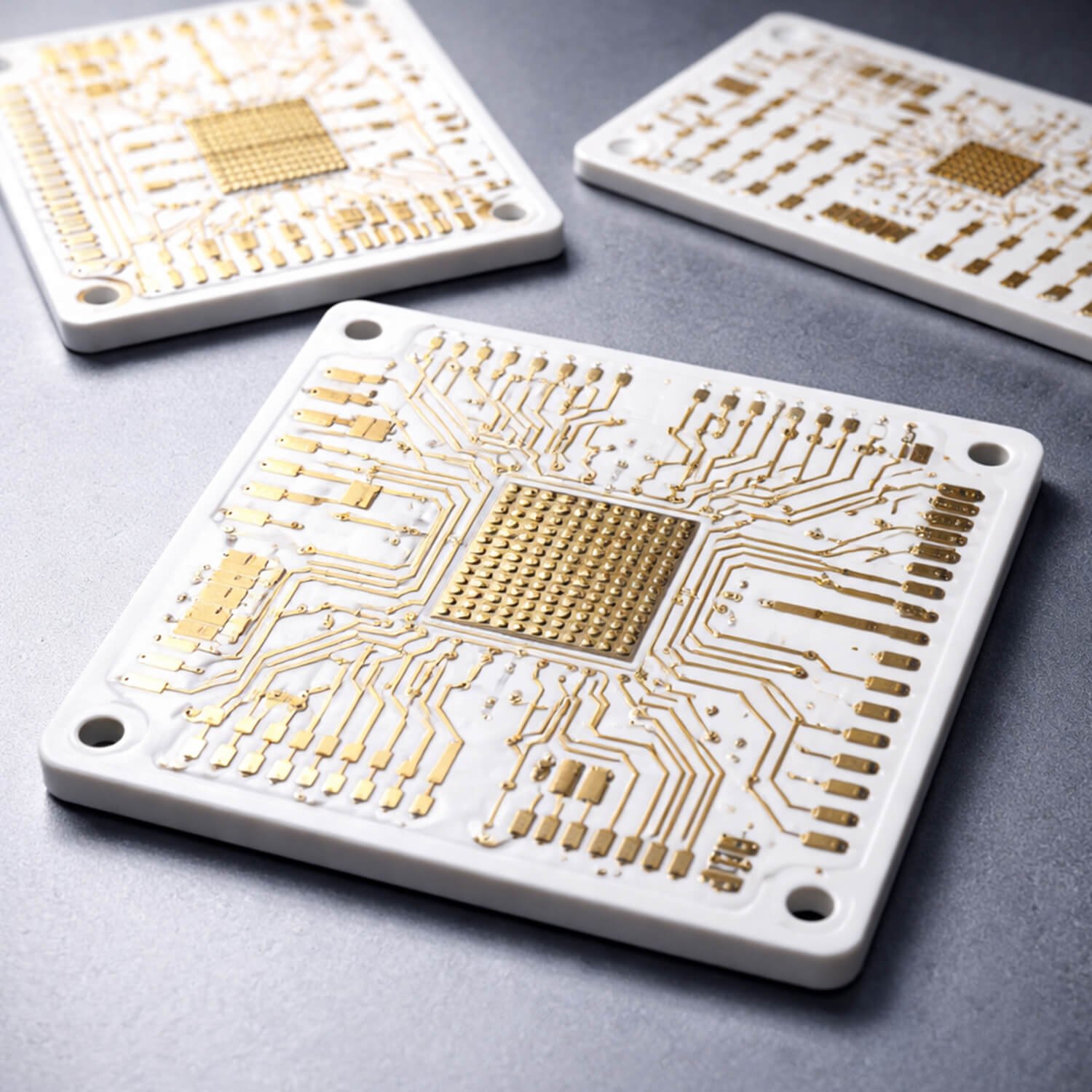
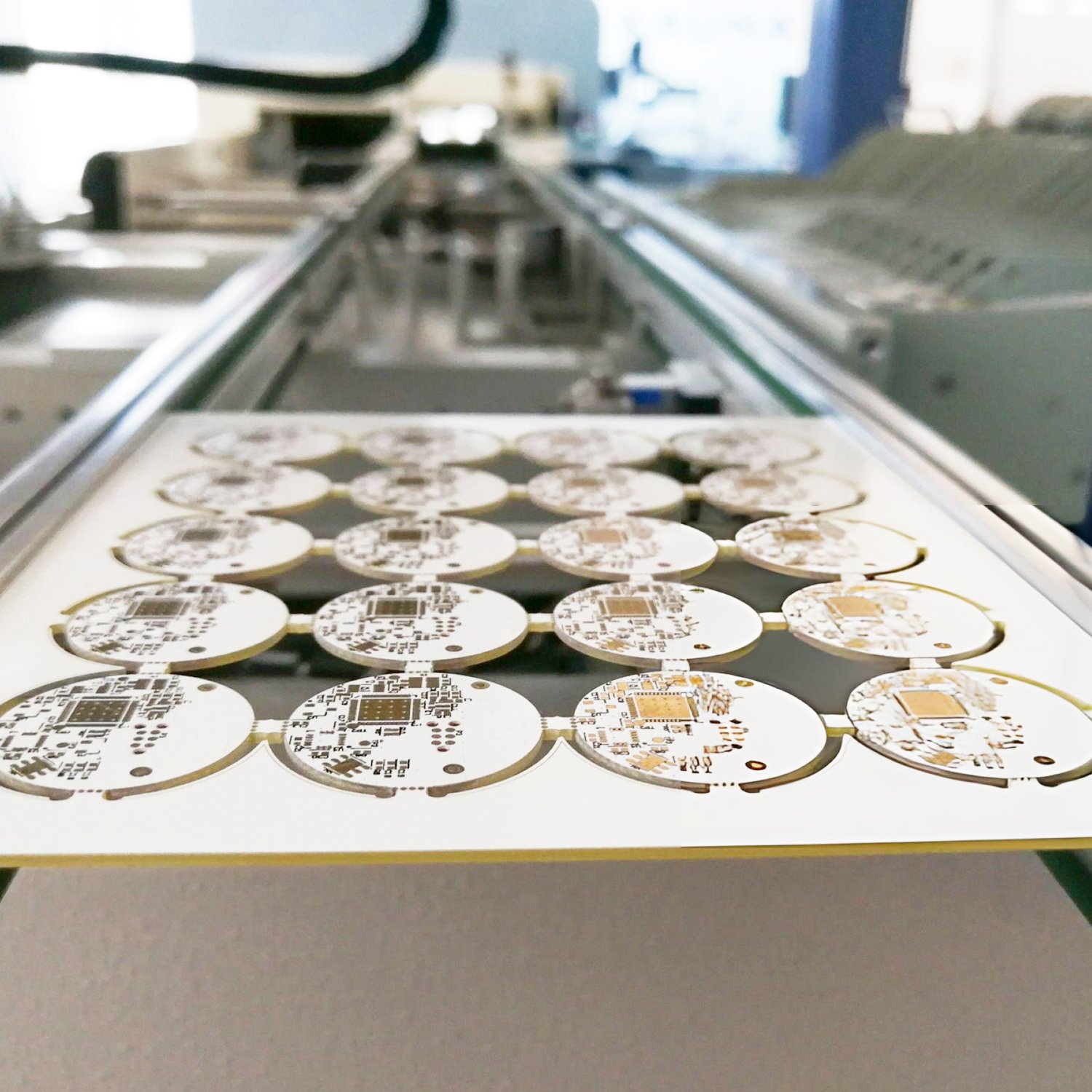
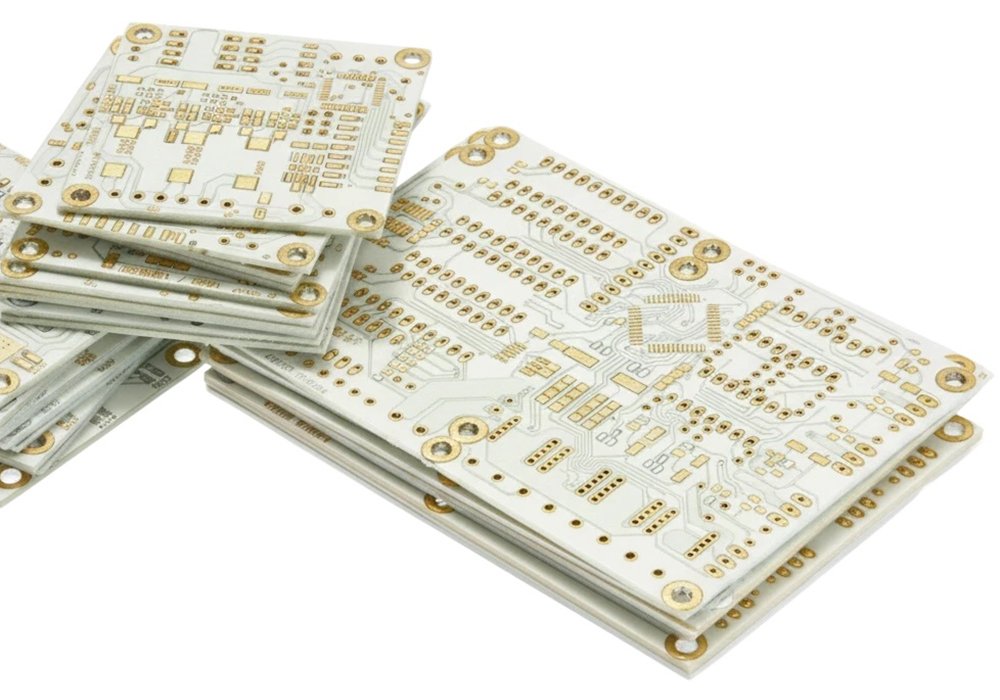
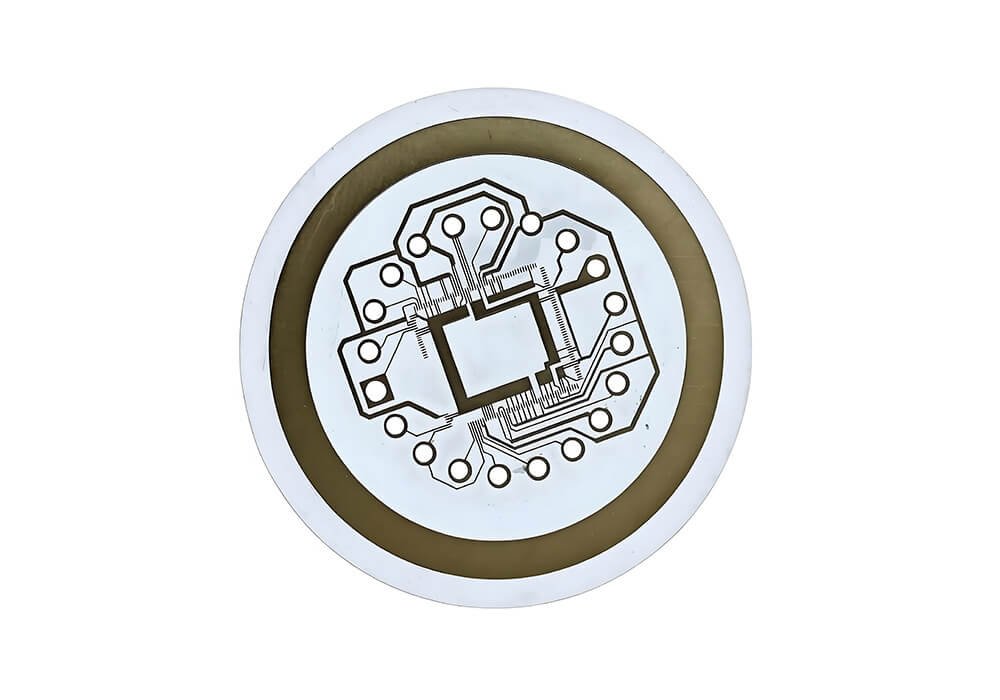
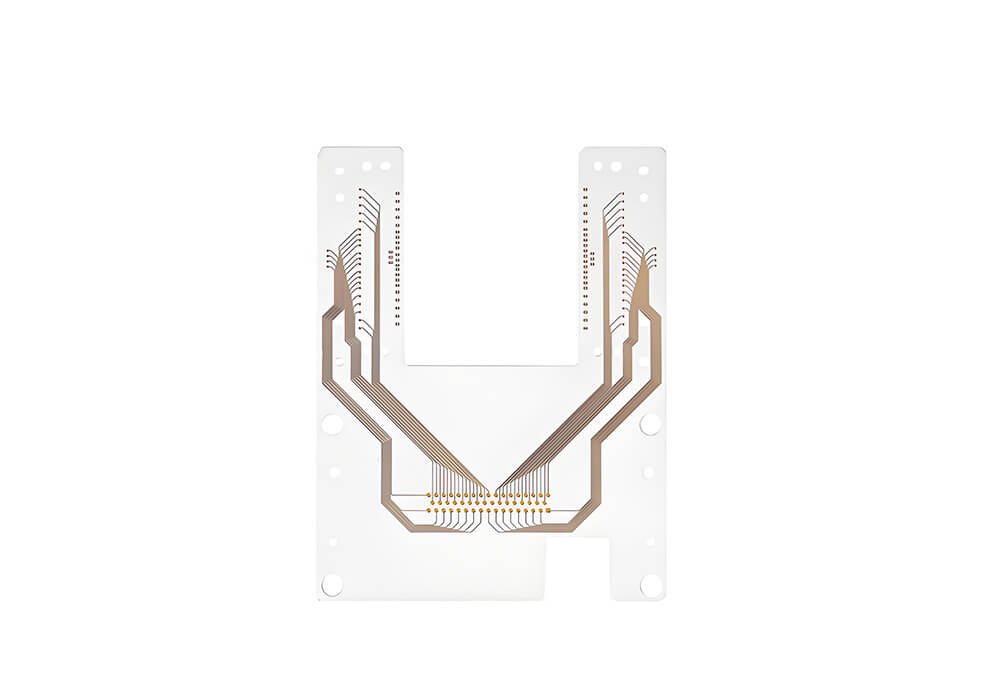
Ceramic PCB (Ceramic Printed Circuit Board) is a high-performance circuit board fabricated using ceramic substrates. It can offer superior thermal conductivity, excellent electrical insulation, and outstanding mechanical stability.

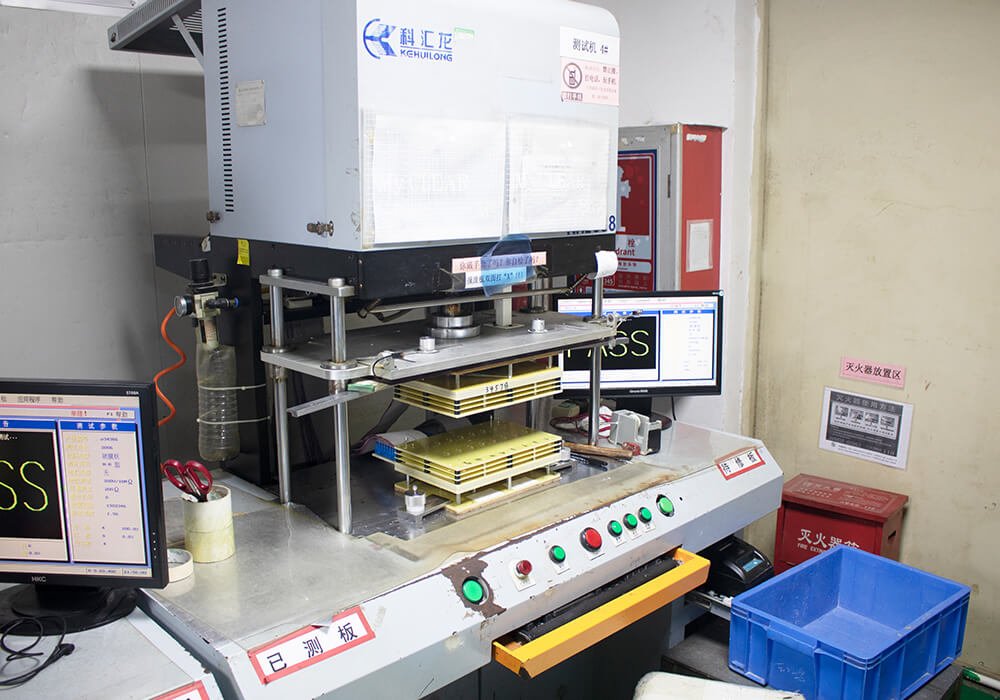
Our ceramic PCBs are manufactured under ISO 9001, ROHS, and UL-aligned quality systems. We will test its full material traceability, thermal validation, and electrical performance before we deliver it to you. It makes sure you will get high-performance Ceramic PCBs.

Best Ceramic PCB Manufacturer

Ceramic PCB Manufacturer

PCBSAIL is a direct manufacturer, not a trading company.
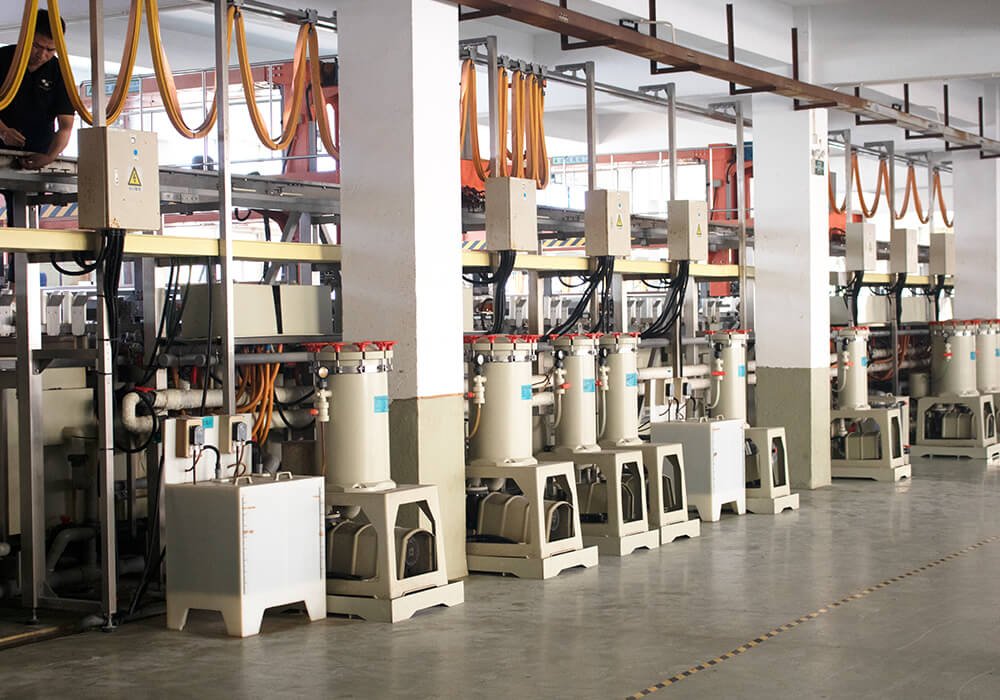
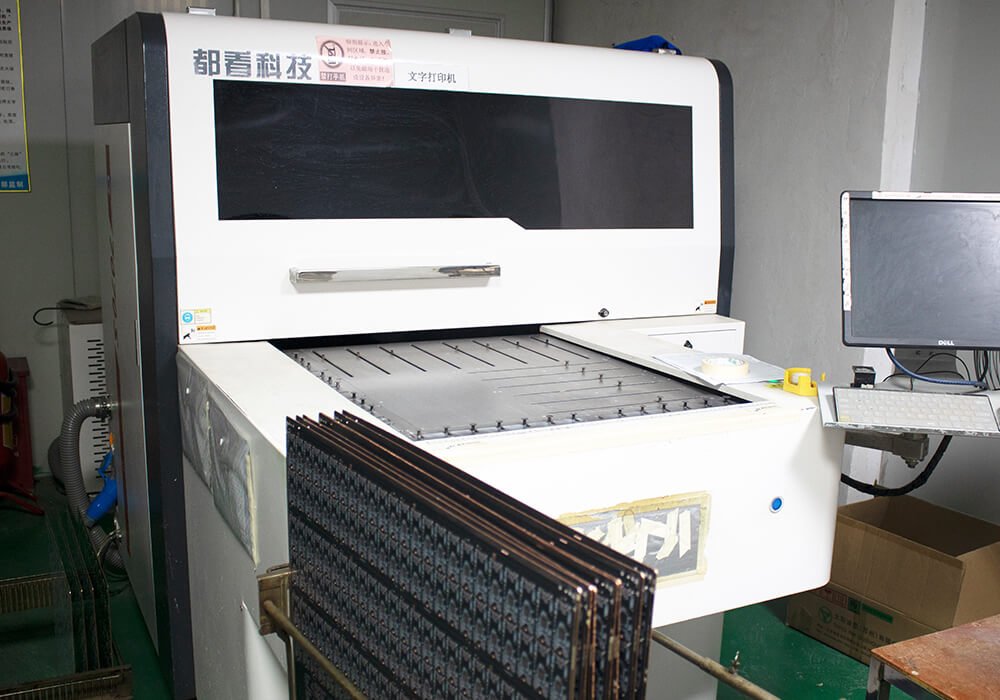
All PCB fabrication and assembly processes are managed under our internal quality systems, from material selection and process engineering to final inspection and shipment.

We operate advanced production lines dedicated to:

  • Ceramic PCB manufacturing (Al₂O₃, AlN, advanced ceramic substrates)
  • High-power and thermal-critical PCB solutions
  • Prototype and volume PCB assembly

Our customers include OEMs, EMS providers, design engineers, and system integrators across the USA, Europe, and Asia, working in industries where failure is not an option.

Engineering-Driven

At PCBSAIL, our manufacturing decisions are driven by engineering validation, not marketing claims. Every project begins with a design and manufacturability review (DFM) to verify:

  • Material suitability (CTE matching, dielectric performance)
  • Thermal dissipation requirements
  • Metallization thickness and adhesion
  • Via structure reliability
  • Assembly compatibility and solder joint integrity
Our engineering team works closely with customers to optimize performance, yield, and cost before production begins.

Ceramic PCB Capability

PCBSAIL is recognized for its ceramic PCB manufacturing expertise, delivering substrates with:

  • Thermal conductivity up to 220 W/m·K
  • Breakdown voltage up to 50 kV/mm
  • Ultra-fine lines down to 0.05 mm
  • Microvias as small as 0.1 mm
  • Operating temperature ranges from −55°C to over 1000°C
We support single-layer to multilayer ceramic PCB designs, from rapid prototypes to 10,000+ unit production runs.

Quality

Quality and consistency are core to PCBSAIL’s operations. Our manufacturing and inspection processes align with IPC standard:

  • Incoming material verification
  • Metallization thickness control
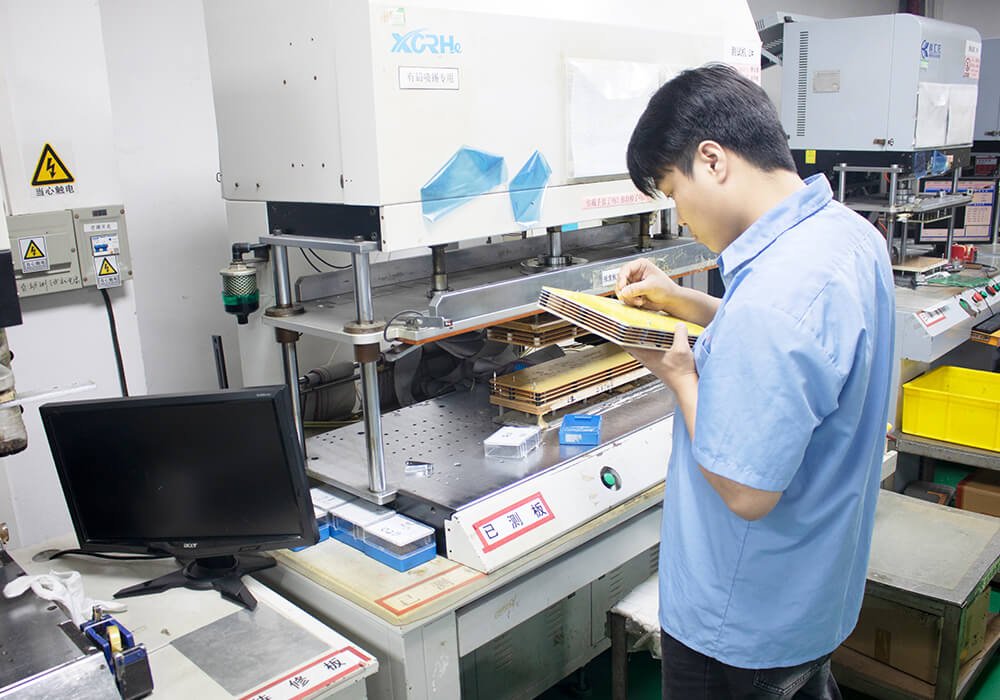
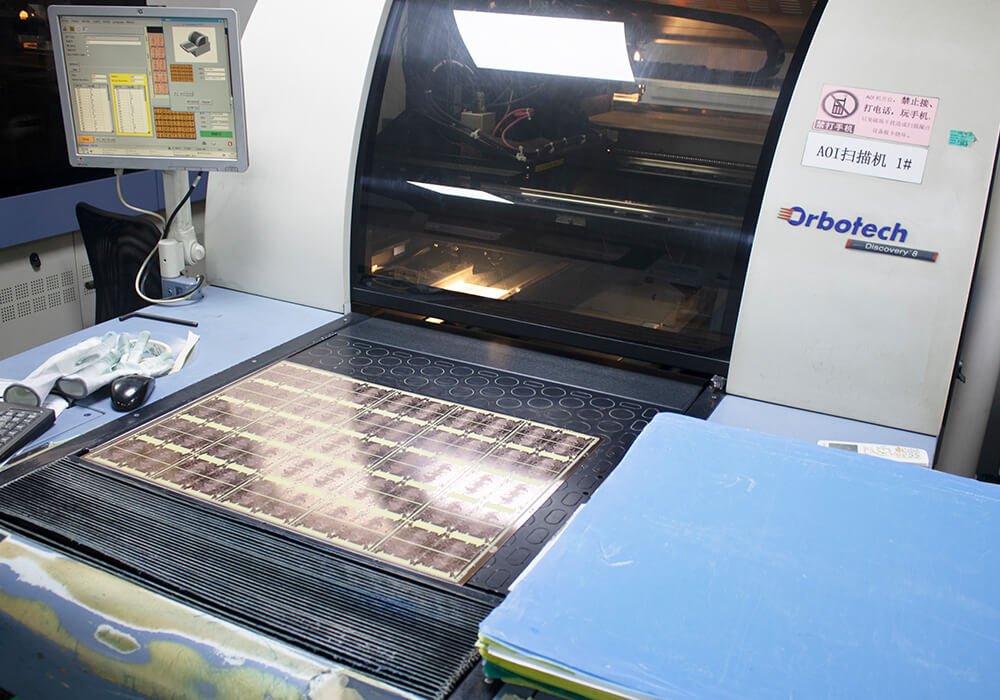
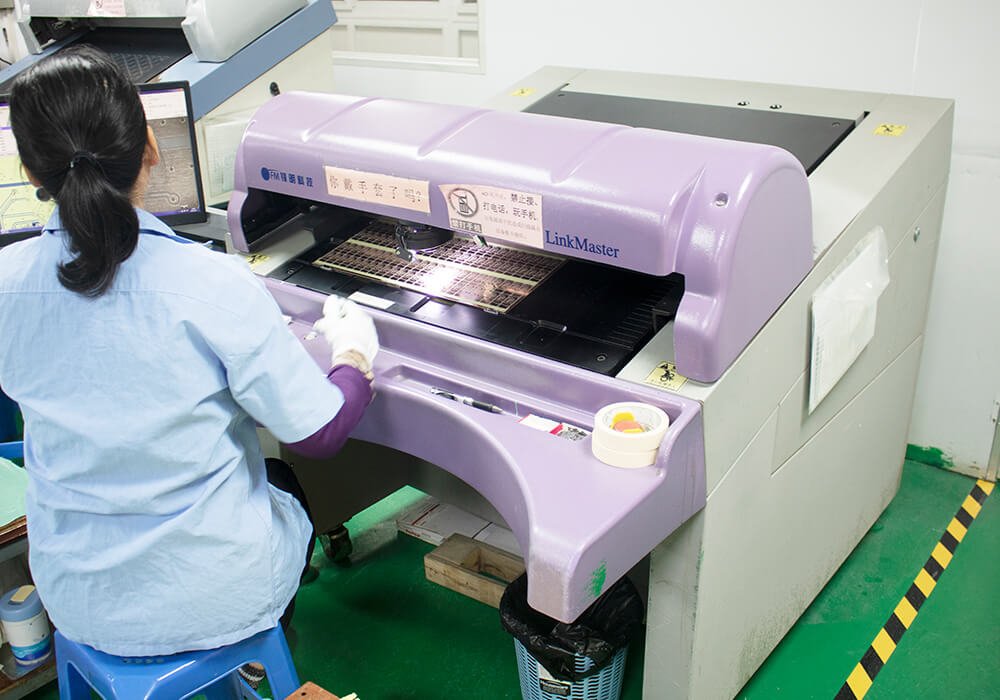
  • AOI (Automated Optical Inspection)
  • X-ray inspection and micro-section analysis
  • Thermal cycling and thermal shock testing
  • Dielectric breakdown and insulation resistance testing
  • SPC-controlled process monitoring
Each order includes material lot traceability and inspection records, ensuring transparency and repeatability across production batches.

Feature Ceramic PCB.

At PCBSAIL, we provide a comprehensive range of ceramic PCBs from industrial electronics to power modules and high-frequency RF systems.

Feature Ceramic PCB Manufacturer

Ceramic PCB We Offer.

Flex PCB Single-Sided Flex PCB

Thick Film Ceramic PCB

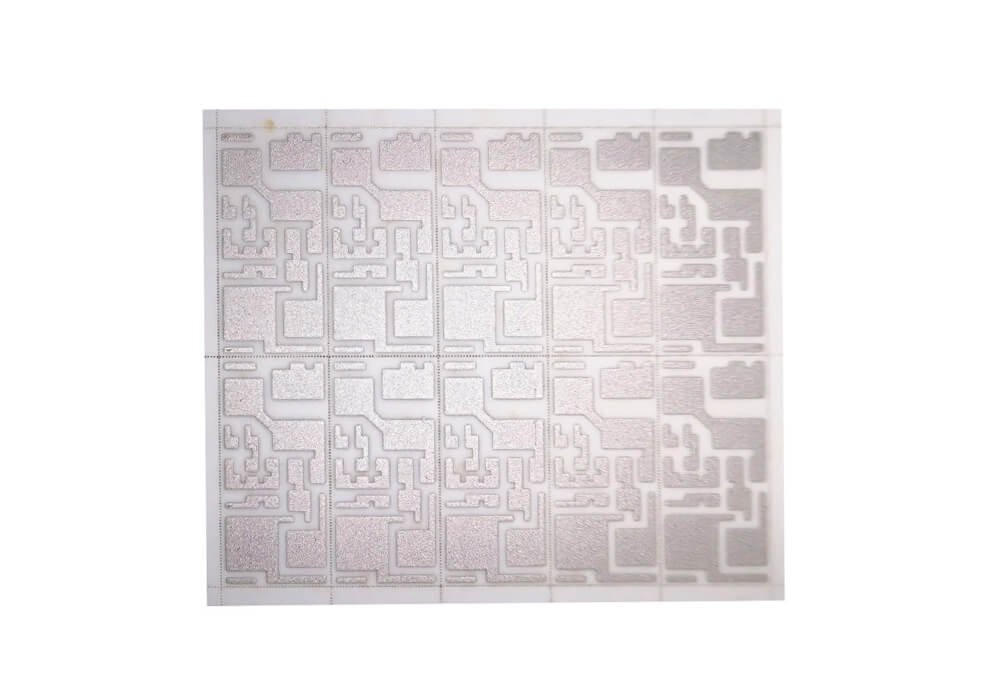
Our Thick film ceramic PCBs are manufactured by screen printing conductive paste (such as silver, gold, or copper) directly onto ceramic substrates and then sintering at high temperature to form conductive circuits.

  • Line precision: ~±50 µm
  • Moderate thermal conductivity performance
  • Good mechanical reliability
  • Mature high-volume production process

Flex PCB Double-Sided Flex PCB

Thin-Film Ceramic PCB

Our Thin film ceramic PCBs use vacuum deposition and photolithography to create ultra-fine circuit patterns on ceramic substrates. It can enable very high circuit density and excellent electrical performance.

  • Precision: ±5 µm or better
  • Very low dielectric loss
  • Smooth surface finish
  • Excellent RF performance

Flex PCB Multilayer Flex PCB

LTCC

LTCC uses multilayer ceramic green sheets with printed conductors and vias, co-fired at lower temperatures to create highly integrated multilayer ceramic circuits.

  • Supports multilayer structures (often 10–50 layers)
  • Can embed resistors and capacitors
  • Good dimensional control

Flex PCB with Stiffeners

HTCC

HTCC ceramic PCBs are co-fired at very high temperatures using refractory metal conductors such as tungsten or molybdenum, creating extremely durable substrates.

  • Extreme temperature resistance (>1200°C possible)
  • Radiation resistance
  • Very strong mechanical structure

Flex PCB Rigid-Flex PCB

DPC Ceramic PCB

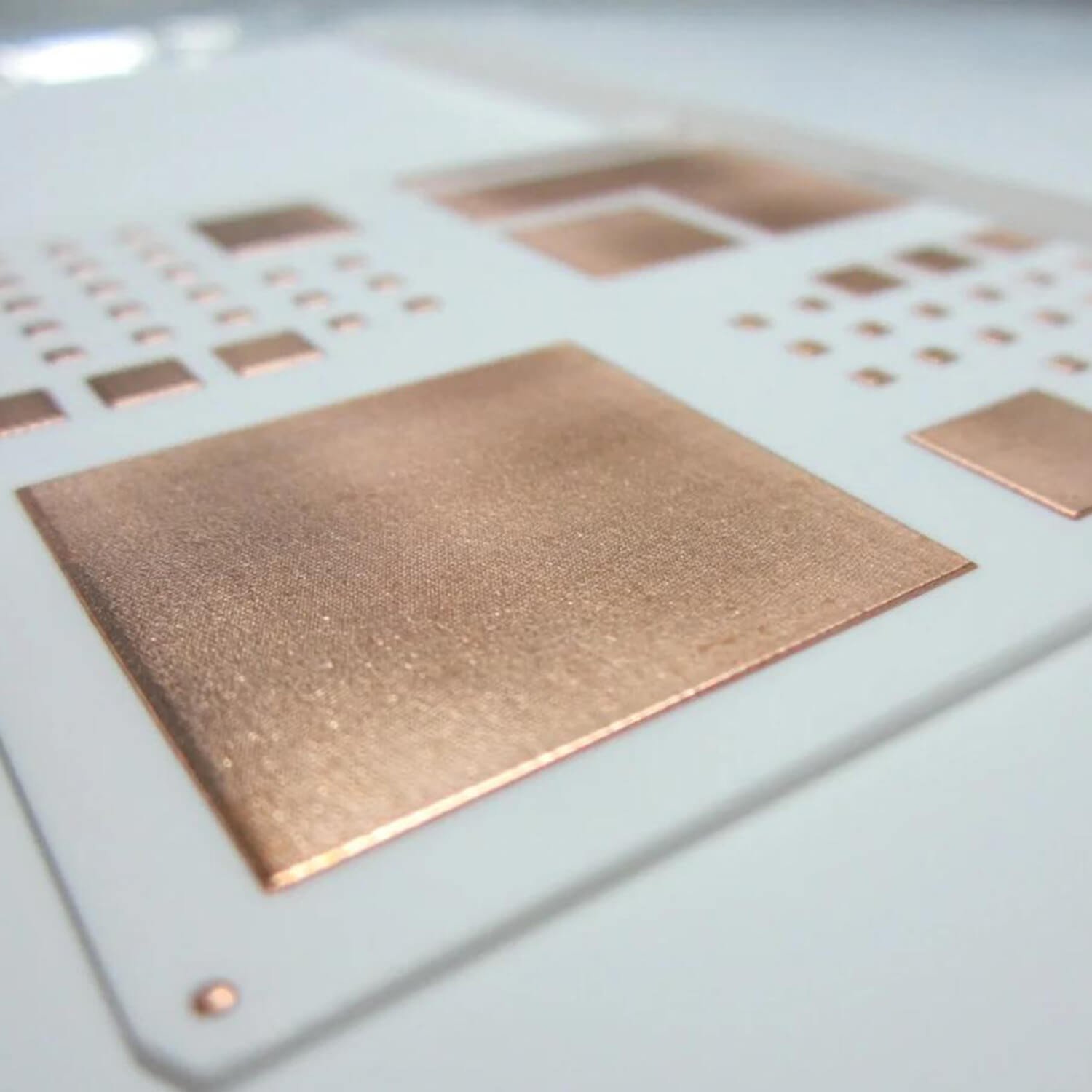
DPC ceramic PCBs are manufactured by depositing a seed metal layer onto ceramic and building copper thickness through electroplating.

  • Finer line capability vs DBC
  • Lower parasitic capacitance and inductance
  • Improved high-frequency performance

Flex PCB Rigid-Flex PCB

DBC Ceramic PCB

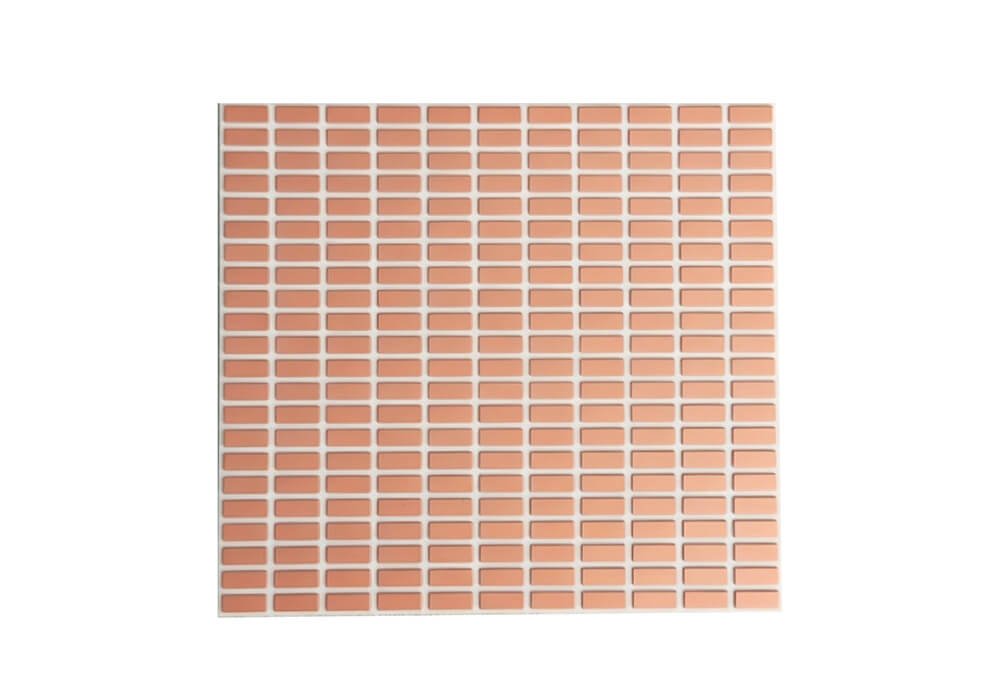
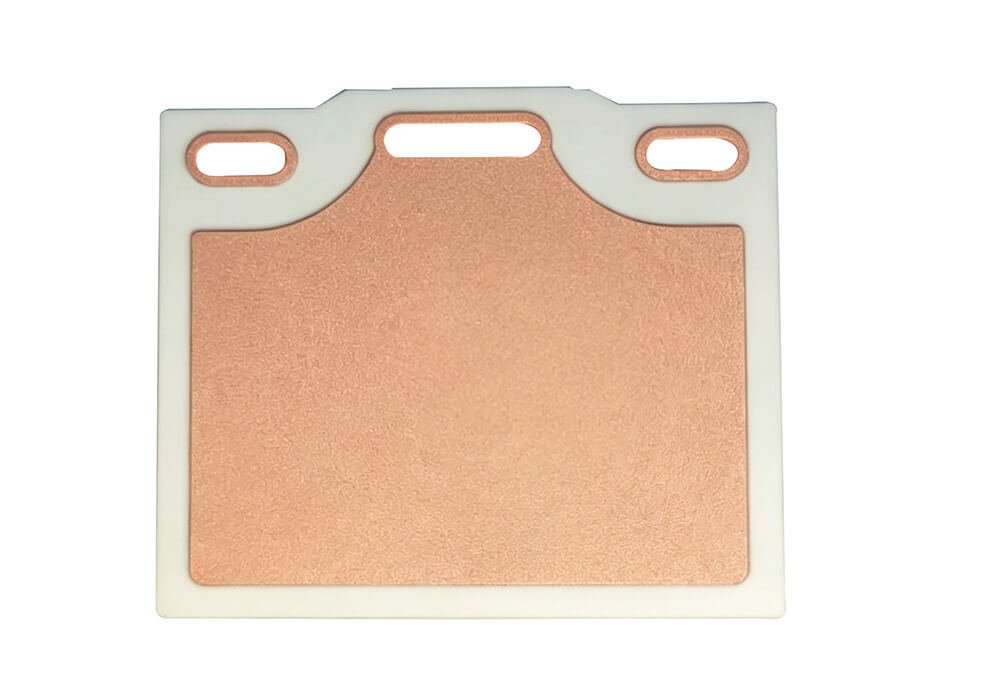
DBC ceramic PCBs are produced by bonding thick copper foil directly to ceramic substrates under high temperature. This creates extremely strong bonding and excellent heat spreading capability.

  • Copper thickness: typically thick (>200 µm possible)
  • Thermal conductivity: often >200 W/mK depending on ceramic
  • High current carrying capability
Item

Unit

 Ceramic PCB Process Capabilities


Minimum Hole Diameter

mm

0.05


Hole Taper Tolerance

%

±30


Drilling Position Accuracy

mm

0.025


Slot Tolerance: Length ≥ 2×Width

mm

Length: ±0.05; Width: ±0.025


Slot Tolerance: Length < 2×Width

mm

Length: ±0.025; Width: ±0.010


Trace Alignment Accuracy

mm

±0.025; Interlayer Alignment: 0.025


Minimum Line Width/Spacing

mm

0.075/0.040


Overall Line Width Compensation (DPC Process)

mm

0.02 (No copper thickness restriction, DPC process only)


Negative Film Direct Etching Process

mm

10Z copper thickness: 0.025 line width compensation; 20Z copper thickness: 0.05 line width compensation; 30Z copper thickness: 0.075 line width compensation; 80Z copper thickness: 0.15 line width compensation


Surface Copper Thickness

um

18, 35, 70, 140, 300, 400


Hole Aspect Ratio

/

8:1


Etch Factor

/

>4


Metal Dam

um

50 – 800


Ink Thickness (Per customer’s requirement if specified)

um

Trace Surface: ≥10; Trace Corner: ≥8


Weir Ink Thickness

um

80 – 120


Solder Mask Alignment Tolerance

mm

±0.075


Minimum Single-Side Width of Solder Mask Covering Trace

mm

10Z surface copper: 0.075; 20Z surface copper: 0.10; 30Z surface copper: 0.15; 40Z surface copper: 0.175


Minimum Opening of Solder Mask Film Character (Minimum Line Width)

mm

0.15


Minimum Character Line Width

mm

≥0.12


Character Alignment Tolerance

mm

±0.15


Minimum Character Height

mm

≥0.75


Minimum Character Spacing

mm

≥0.10


Immersion Gold

um

Gold Thickness: 0.025 – 0.10; Nickel Thickness: 2 – 8


Immersion Silver

um

Silver Thickness: 0.2 – 0.5


Immersion Tin

um

Tin Thickness: 0.2 – 1 (Hot Air Solder Leveling is not applicable for ceramic boards)


OSP (Oxidation Resistance)

/

OSP Film Thickness: 2 – 5 u”


Electroless Nickel Palladium Gold (ENEPIG)

um

Gold Thickness: 0.025 – 0.050; Palladium Thickness: 0.025 – 0.075; Nickel Thickness: 2 – 8


Minimum Distance from Cutting Line to Trace

mm

0.2


Alignment of Upper & Lower Cutting Lines (Controlled for Double-Sided Scribed Boards)

mm

±0.025


Residual Thickness Control Accuracy

mm

±0.075; Scribing Depth for Panelized Boards: 1/2 of total board thickness; Scribing Depth for Peripheral Depaneling Lines: 2/3 of total board thickness


Offset Accuracy Tolerance

mm

±0.025


Laser Cutting Line Width

mm

0.1


Laser Profile Tolerance

mm

±0.10


LTCC Process Sintered Silver Paste – Thickness

um

10 – 20


LTCC Process Sintered Silver Paste – Line Width

mm

>0.1


LTCC Process Sintered Silver Paste – Line Spacing

mm

>0.15


Material

Alumina

Alumina

Aluminum Nitride

Purity

%

96

99.60

/

Appearance

/

White

White

Cyan

Density

g/cm³

3.72

3.85

3.3

Average Particle Size

um

3 – 4

<1.5

<1

Thermal Conductivity

w/m·k

22.3

29.5

170

Coefficient of Thermal Expansion (CTE)

x10⁻⁶/℃ (RT~800℃)

8

8.2

4.4

Dielectric Breakdown Strength

v/m

14×10⁶

18×10⁶

14×10⁶

Resistivity

/

>10¹⁴

>10¹⁴

>10¹⁴

Dielectric Constant

(1MHz)

9.5

9.8

9

Dielectric Loss Tangent

(1MHz, x10⁻⁴)

3

2

4

Flexural Strength

Mpa

350

500

300

Dimension

mm

114×114/120×120/127×127/130×140/140×190

Thickness

mm

0.2/0.25/0.3/0.38/0.5/0.635/0.8/1.0/1.2/1.5

Warpage

%

≤0.3

≤0.3

≤0.3

Ceramic PCB Substrate Materials

We offer a wide range of ceramic substrate PCB.Each material is selected based on specific application requirements such as power density, operating temperature, mechanical stress, and frequency performance.

Ceramic PCB Substrate Materials

Alumina is the most widely used ceramic PCB substrate. It is excellent in cost, mechanical strength, and electrical performance.

  • Thermal Conductivity: 20–30 W/m·K
  • Dielectric Constant: ~9.4 – 9.8
  • CTE: 6–8 ppm/°C
  • Operating Temperature: Up to 800°C+
  • High chemical and corrosion resistance

AlN is the preferred material when maximum heat dissipation and silicon CTE matching are required.

  • Thermal Conductivity: 170–220 W/m·K
  • CTE: ~4–4.5 ppm/°C (close to silicon)
  • Dielectric Constant: ~8–9
  • Operating Temperature: Up to 1000°C+

Silicon Nitride offers a unique combination of thermal conductivity and exceptional mechanical strength.

  • Thermal Conductivity: ≥85 W/m·K
  • CTE: ~2.6–3 ppm/°C
  • Very high flexural strength
  • High fracture toughness

BeO offers one of the highest thermal conductivities among ceramic PCB materials, but requires strict safety handling protocols.

  • Thermal Conductivity: 220–350 W/m·K
  • Dielectric Constant: ~6.5–7
  • Excellent electrical insulation

Silicon Carbide is designed for extreme temperature and harsh chemical environments.

  • Thermal Conductivity: 120–200 W/m·K
  • Excellent chemical resistance
  • Very high hardness
  • High temperature stability

Ceramic PCB Feature

At PCBSAIL, our ceramic PCBs are engineered to deliver high reliability, thermal efficiency, and precision performance for demanding electronic applications.

We manufacture ceramic PCBs using high-performance materials such as Alumina (Al₂O₃), Aluminum Nitride (AlN), and Silicon Nitride (Si₃N₄) to ensure efficient heat dissipation.

  • Alumina: 20–30 W/m·K
  • Aluminum Nitride: 170–220 W/m·K
  • Silicon Nitride: ≥85 W/m·K

Our ceramic substrates are designed for stable performance under extreme temperature conditions.

  • Operating range: -55°C to 800°C+ (material dependent)
  • High thermal shock resistance
  • Minimal thermal degradation over tim

Using advanced metallization and laser processing technologies, we achieve ultra-fine circuit structures.

  • Minimum trace/space: 0.05 mm
  • Micro via size: ≥0.1 mm
  • Controlled metallization thickness

Our ceramic PCBs are designed to closely match the thermal expansion of semiconductor chips.

  • 3–7 ppm/°C range depending on material

Ceramic materials provide strong electrical isolation and stable dielectric performance.

  • Breakdown voltage: up to 10–50 kV/mm
  • Low dielectric loss (<0.0002 typical)
  • Stable dielectric constant

We support ceramic PCB structures from single layer to multi-layer designs.

  • Single layer to 8-layer ceramic PCBs
  • Hybrid ceramic structures available
  • LTCC multilayer integration capability
Ceramic PCB Feature

Ceramic PCB Manufacturing

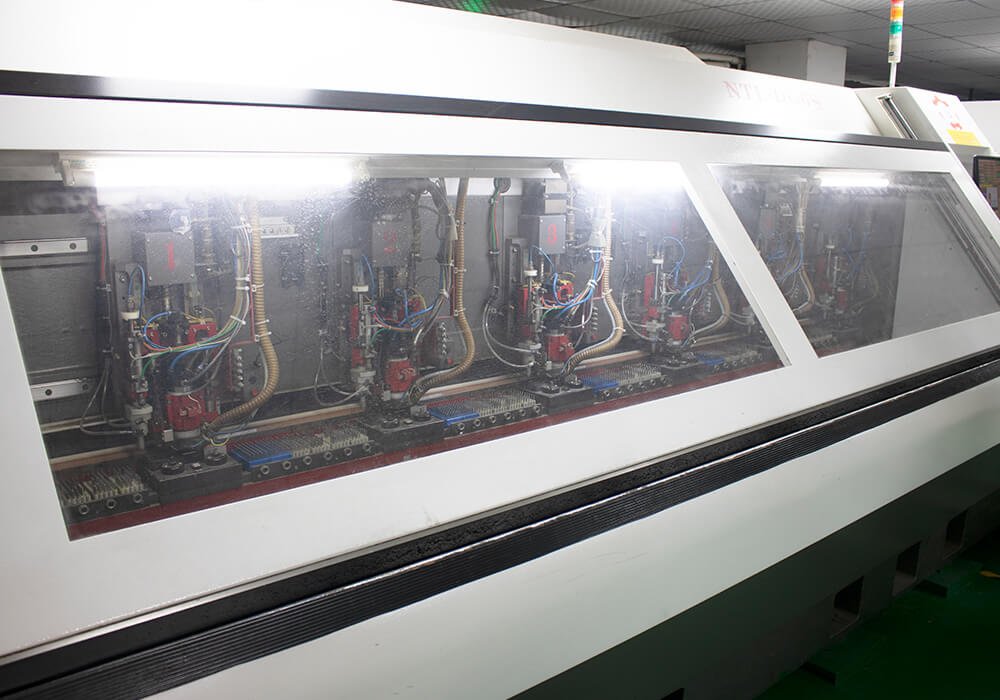
At PCBSAIL, ceramic PCB manufacturing is performed under strict process control and quality management systems. It can ensure consistent performance from prototype development to high-volume production.

Flex PCB Manufacturring Process

Ceramic Raw Material

The manufacturing process begins with selecting high-purity ceramic materials based on application requirements.

  • Alumina (Al₂O₃) – Cost-effective, balanced performance
  • Aluminum Nitride (AlN) – High thermal conductivity, chip-level CTE matching
  • Silicon Nitride (Si₃N₄) – Excellent mechanical strength and thermal shock resistance

Flex PCB Manufacturring Process

Circuit Pattern Formation

Circuit traces are created using specialized metallization technologies.
Thick Film Process

  • Screen printing conductive paste
  • Conductor thickness typically 10–15 μm
  • Suitable for power electronics
Thin Film Process
  • Vacuum sputtering seed layer
  • Electroplated copper build-up
  • Suitable for high-frequency and fine-pitch circuits

Flex PCB Manufacturring Process

Laser Drilling and Via

Laser drilling is the primary via formation method in ceramic PCBs due to ceramic hardness and brittleness.

  • Via diameter: 0.05 – 0.30 mm
  • High positional accuracy
  • Minimal mechanical stress

Flex PCB Manufacturring Process

Multilayer Lamination

For multilayer ceramic PCBs, layers are aligned and laminated using high pressure and controlled temperature conditions.

  • Precision alignment tooling
  • Vacuum lamination to prevent voids
  • Moisture removal pre-baking

Flex PCB Manufacturring Process

High Temperature Sintering

Sintering permanently bonds ceramic particles and conductor materials into a dense, stable structure.

  • LTCC: 850 – 1000°C
  • HTCC: 1300 – 1600°C

Flex PCB Manufacturring Process

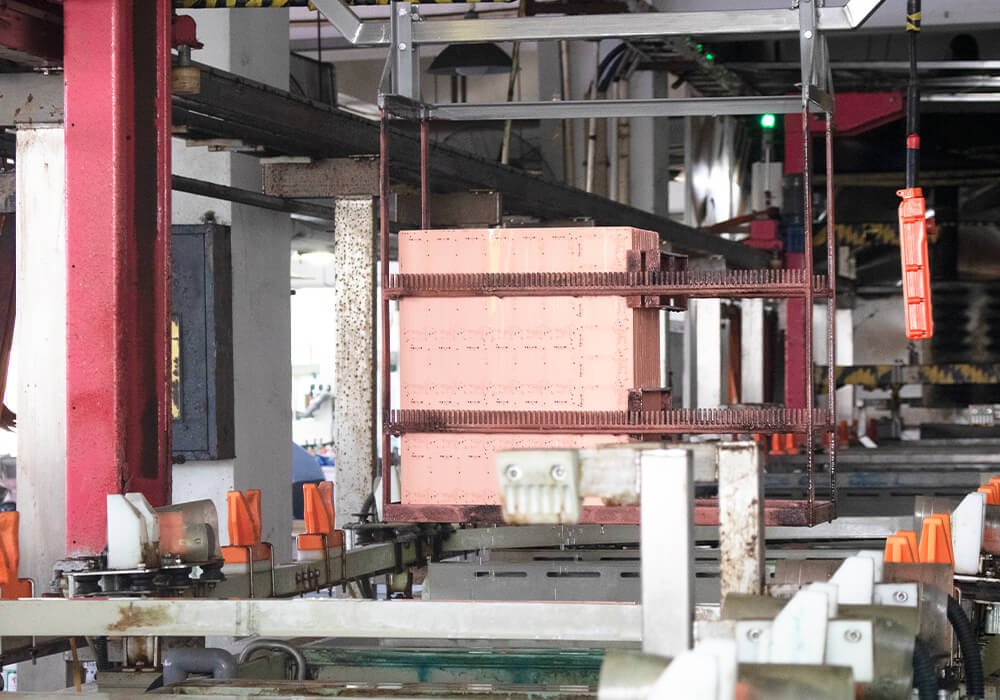
Copper Metallization

Depending on design requirements, additional copper thickness is added through plating or bonding processes.

  • Direct Plated Copper (DPC)
  • Direct Bonded Copper (DBC)
  • Electroplating copper thickness build-up

Flex PCB Manufacturring Process

Surface Finish Processing

Surface finishes improve solderability and protect exposed metal.

  • ENIG
  • ENEPIG
  • Immersion Silver
  • Immersion Tin
  • Thick Film Gold

Flex PCB Manufacturring Process

Electrical Testing

Every ceramic PCB undergoes comprehensive electrical and environmental validation.

  • Electrical continuity testing
  • Dielectric breakdown testing
  • Thermal cycling testing
  • X-ray inspection of vias and layers

Flex PCB Manufacturring Process

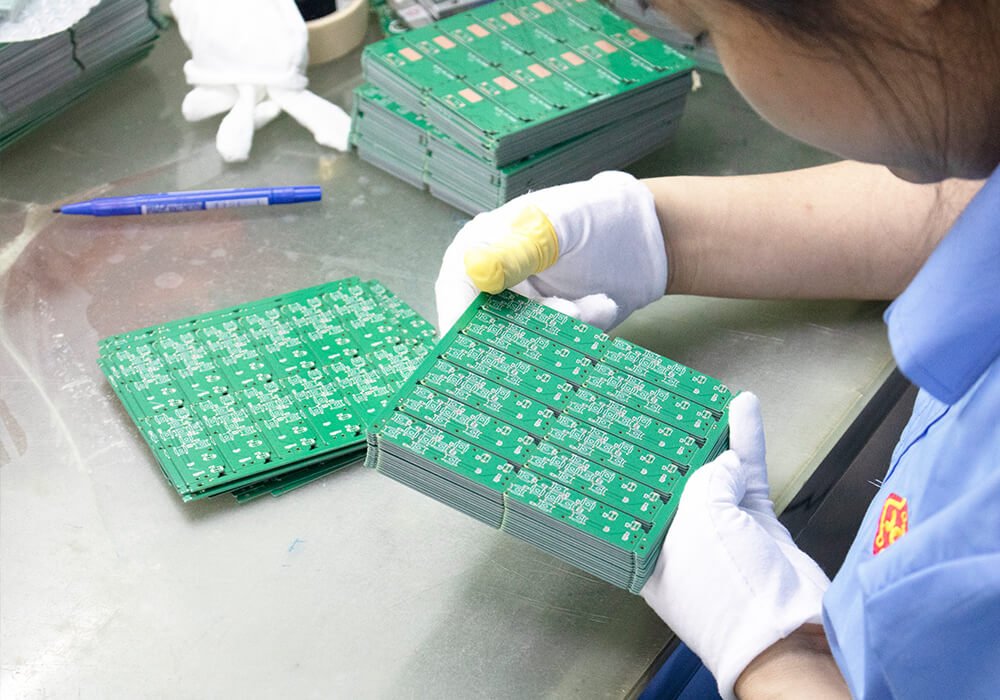
Final Inspection

Final inspections confirm mechanical dimensions, surface quality, and workmanship compliance with IPC standards. Boards are vacuum-sealed and packaged using ESD-safe materials to prevent damage during shipment.

ItemUnitFlex PCB
Max. LayersL16
Min. Finished Board Thicknessmm0.04
Max. Sizemm500 × 2200
Min. Laser Drill Holemm0.025
Min. Mechanical Drill Holemm0.1
Min. Line Width / Spacingmm0.035 / 0.035
Min. Annular Ring (Single / Double Side)mm0.075
Min. Annular Ring (Multilayer Inner Layer)mm0.1
Min. Annular Ring (Multilayer Outer Layer)mm0.1
Min. Coverlay Bridgemm0.1
Min. Solder Mask Openingmm0.15
Min. Coverlay Openingmm0.30 × 0.30
Min. BGA Pitchmm0.45
Single-ended Impedance Tolerance%±7
Base Material Type/Polyimide, LCP, PET
Base Material Brands/Shengyi, ITEQ, Taiflex, Newflex, Nikko, Panasonic, DuPont, Jiujiang
Stiffener Types/FR4, PI, PET, Steel, Aluminum, PSA, Nylon
Surface Finish/ENIG, ENEPIG, OSP, Electroplated Gold, Electroplated Gold + ENIG, Electroplated Gold + OSP, Immersion Silver, Immersion Tin, Electroplated Tin
Flex + HDI/2+N+2 (Mass production)

Ceramic PCB Applications

Ceramic PCBs are widely used in advanced electronic systems that demand high thermal conductivity, electrical insulation, mechanical strength, and long-term reliability. Compared with FR-4 or metal-core PCBs, ceramic substrates enable stable operation in high-temperature, high-power, and high-frequency environments.

PCB Manufacturer Power Electronics

Power Electronics

Ceramic PCBs are a core technology in power conversion and high-current applications.

  • IGBT modules
  • MOSFET power modules
  • Inverters and converters
  • Solar and renewable energy systems
  • Motor drives and industrial automation
PCB Manufacturer LED Lighting

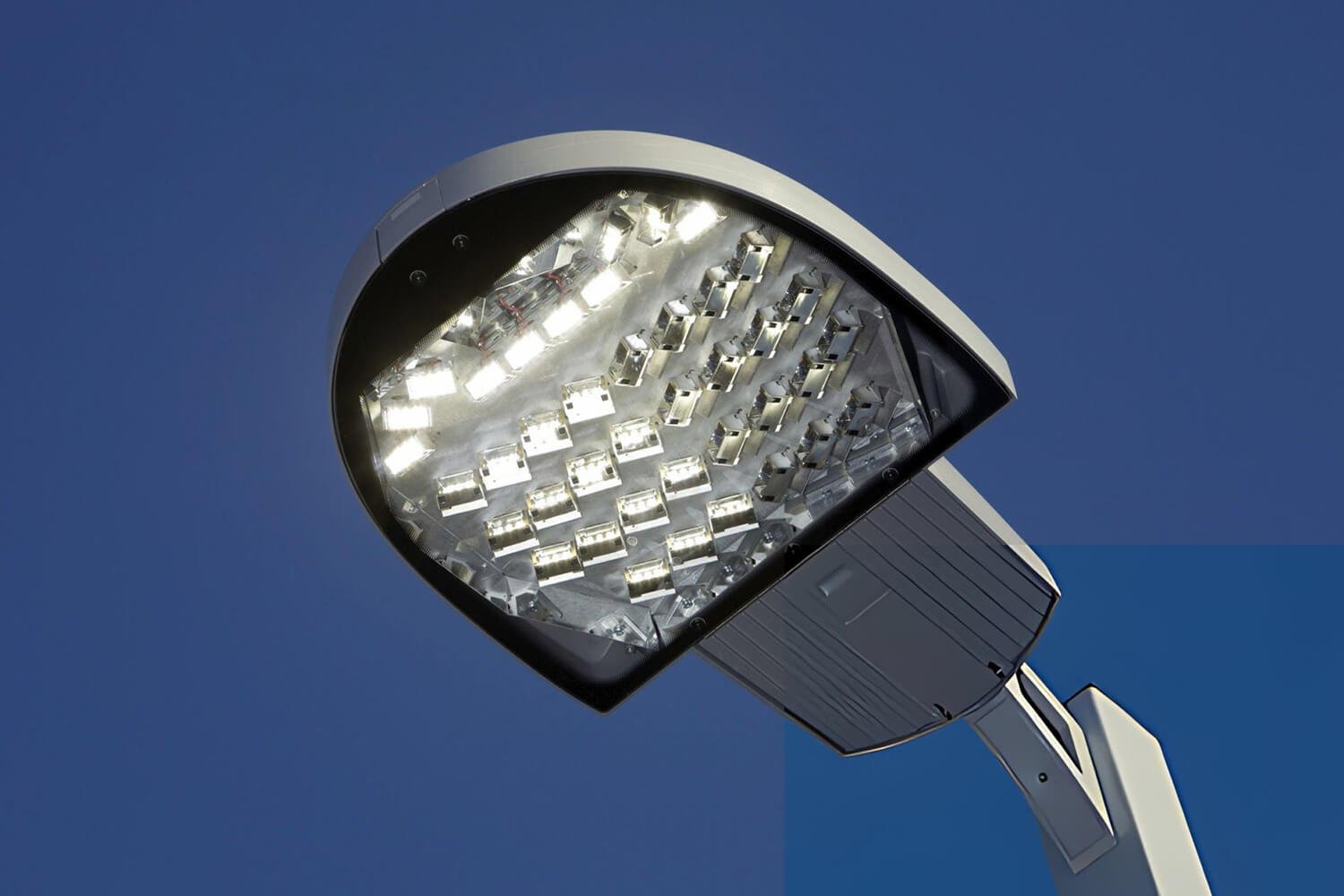
LED

Thermal management is critical for LED lifetime and brightness stability, making ceramic PCBs a preferred substrate.

  • High-power LED modules
  • Automotive headlights
  • UV and IR LEDs
  • Laser drivers

PCB Manufacturer Automotive Electronics

Automotive Electronics

Modern vehicles require electronics that tolerate heat, vibration, and harsh chemical environments.

  • Engine control modules (ECU)
  • Powertrain electronics
  • EV battery management systems
  • ADAS sensors and radar modules

PCB Manufacturer Medical Devices

Medical Electronics

Ceramic PCBs are used in devices requiring precision, reliability, and sterilization resistance.

  • Implantable electronics
  • Medical imaging systems
  • Surgical laser equipment
  • Monitoring and diagnostic equipment

PCB Manufacturer Telecommunications

Telecommunication

Ceramic PCBs support high-frequency signal integrity and dense circuit integration.

  • RF power amplifiers
  • Base station modules
  • Microwave communication systems
  • 5G infrastructure components

Fast Quotation

Our professional sales and engineering teams provide fast PCB quotes and technical support. Simply send us your Gerber files, BOM, and assembly drawings, and we will respond promptly with a competitive solution.

FAQ About Ceramic PCB

1. What Is A Ceramic PCB?

A Ceramic PCB is a circuit board that uses ceramic materials such as Alumina (Al₂O₃), Aluminum Nitride (AlN), or Silicon Nitride (Si₃N₄) as the substrate instead of traditional FR-4 epoxy glass. 

These substrates provide superior thermal conductivity, electrical insulation, and high-temperature stability, making them ideal for high-power and high-frequency electronics.

Ceramic PCBs are selected when thermal management, reliability, or dimensional stability are critical.

Key Advantages:

  • Much higher thermal conductivity (especially AlN)
  • Low coefficient of thermal expansion (CTE)
  • Excellent electrical insulation
  • High temperature resistance
  • Strong chemical and corrosion resistance

The most common ceramic PCB substrate materials include:

Alumina (Al₂O₃)

  • Cost-effective and widely available
  • Good insulation performance
  • Moderate thermal conductivity

Aluminum Nitride (AlN)

  • Very high thermal conductivity (often >150 W/m·K)
  • Excellent electrical insulation
  • Ideal for high-power density electronics

AlN is widely used because it combines strong heat dissipation with dielectric performance, making it attractive for high-power communication and electronic devices.

Silicon Nitride (Si₃N₄)

  • High mechanical strength
  • Excellent thermal shock resistance
  • Used in high-reliability automotive and power modules

Depending on material and process:

  • LTCC ceramic boards: typically operate up to ~850–1000°C processing temperatures
  • HTCC ceramic boards: sintered up to ~1300–1600°C

Operating temperatures for finished boards typically far exceed FR-4 limits

Ceramic materials maintain mechanical stability and insulation performance at temperatures where polymer substrates degrade.

Ceramic PCBs perform extremely well in:

  • High temperature environments
  • High humidity or corrosive atmospheres
  • High vibration conditions
  • High voltage insulation requirements

Their inorganic structure prevents moisture absorption and material degradation common in polymer-based boards.

Typical selection guidance:


Application

Recommended Material

Cost-sensitive industrial electronics

Alumina

High-power density modules

Aluminum Nitride

Automotive power or extreme reliability

Silicon Nitride

Yes. Technologies such as:

  • LTCC (Low Temperature Co-Fired Ceramic)
  • HTCC (High Temperature Co-Fired Ceramic)
  • DBC (Direct Bonded Copper)
  • AMB (Active Metal Brazed)

allow multilayer routing, embedded passives, and high-density interconnects.