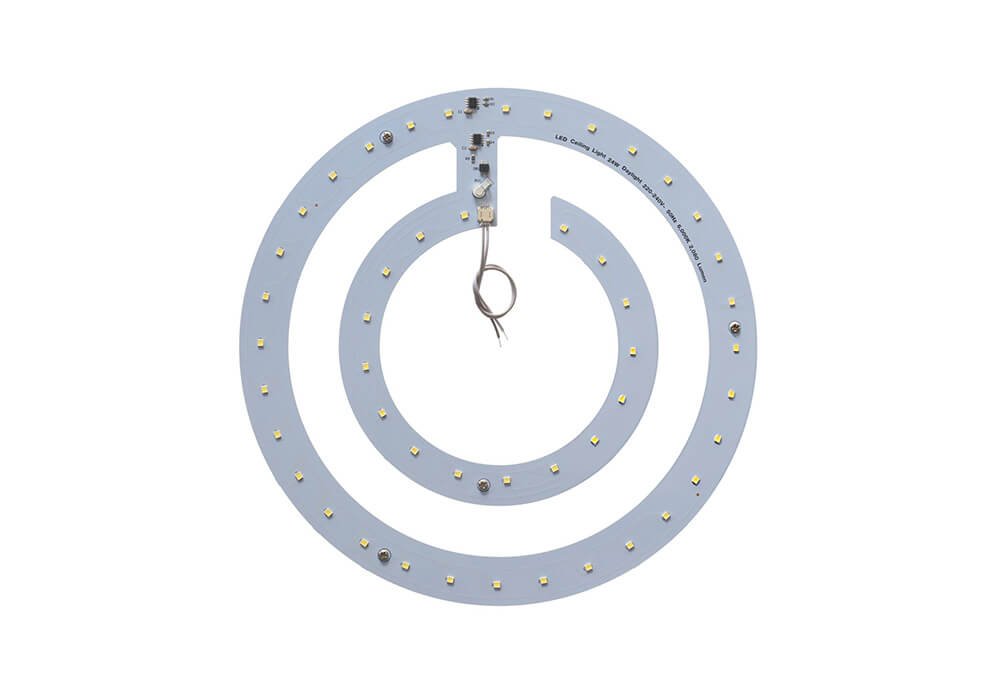

/High Thermal Performance/
Aluminum PCB
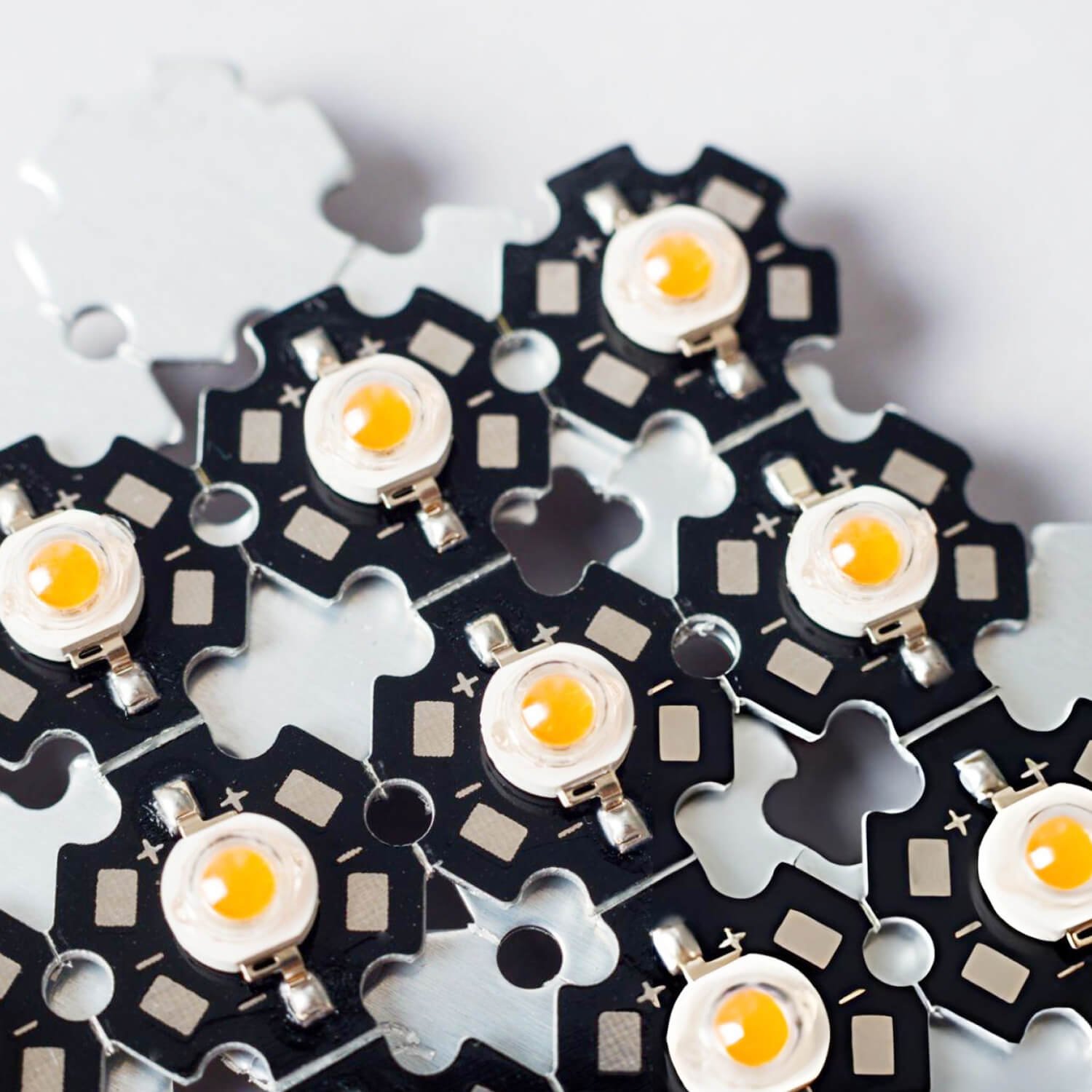
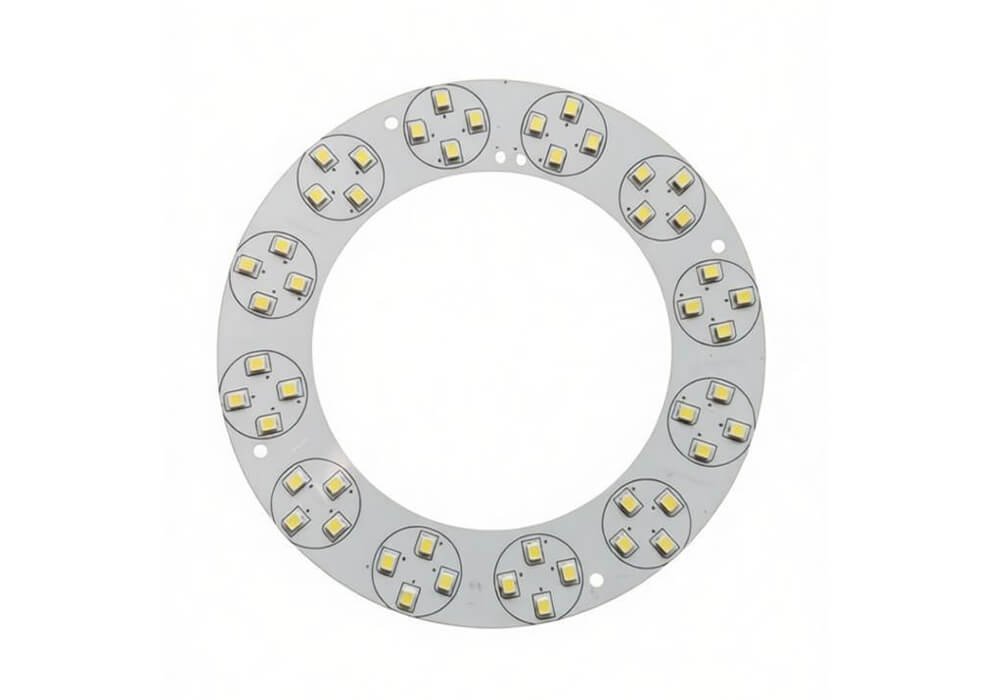
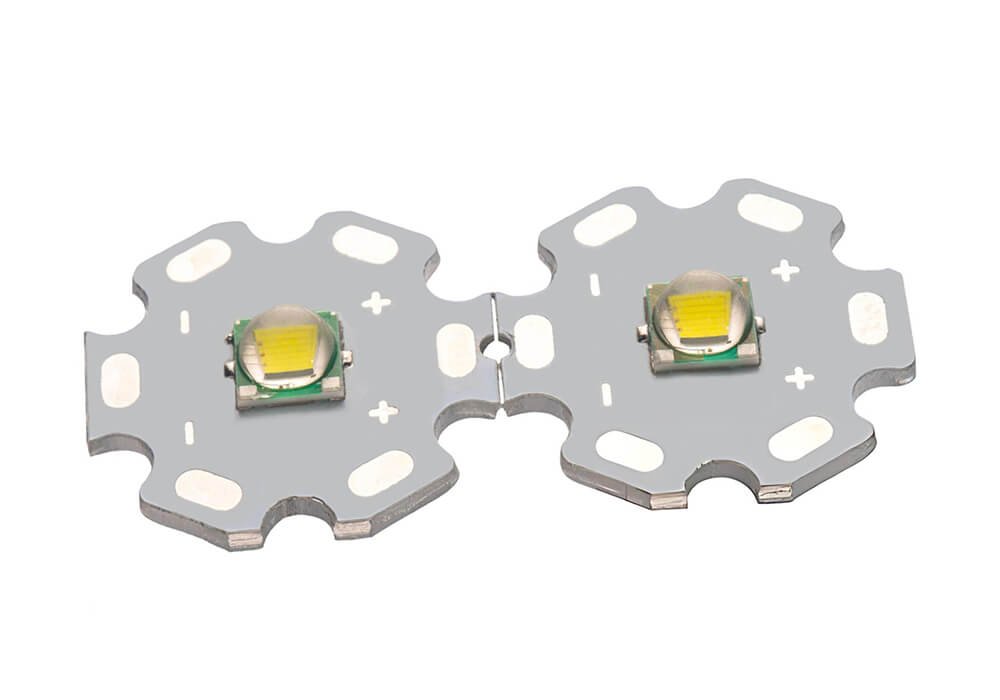
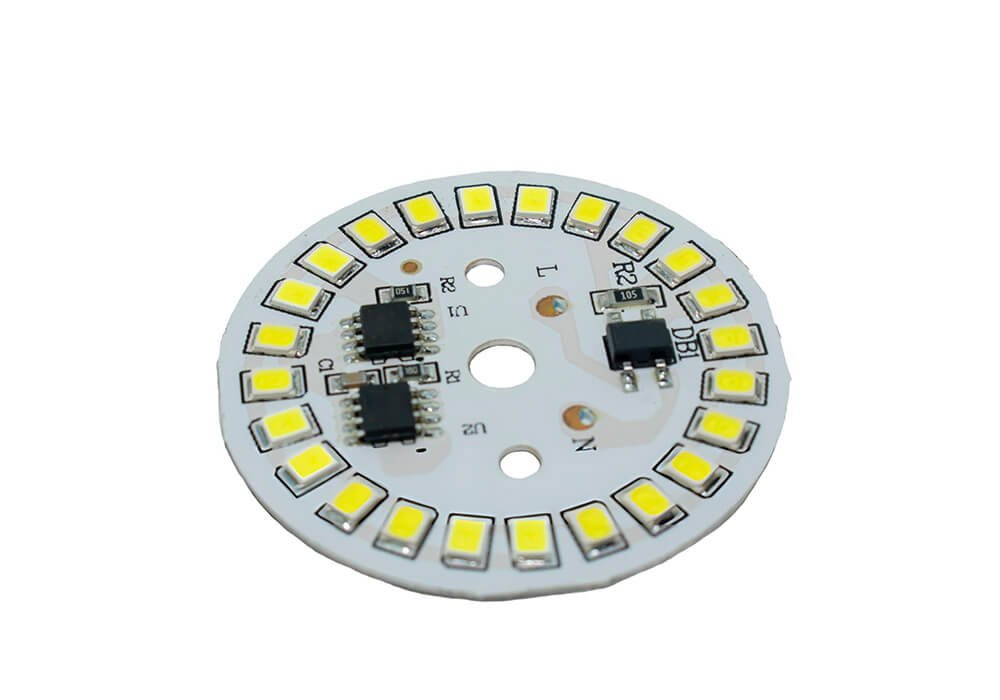
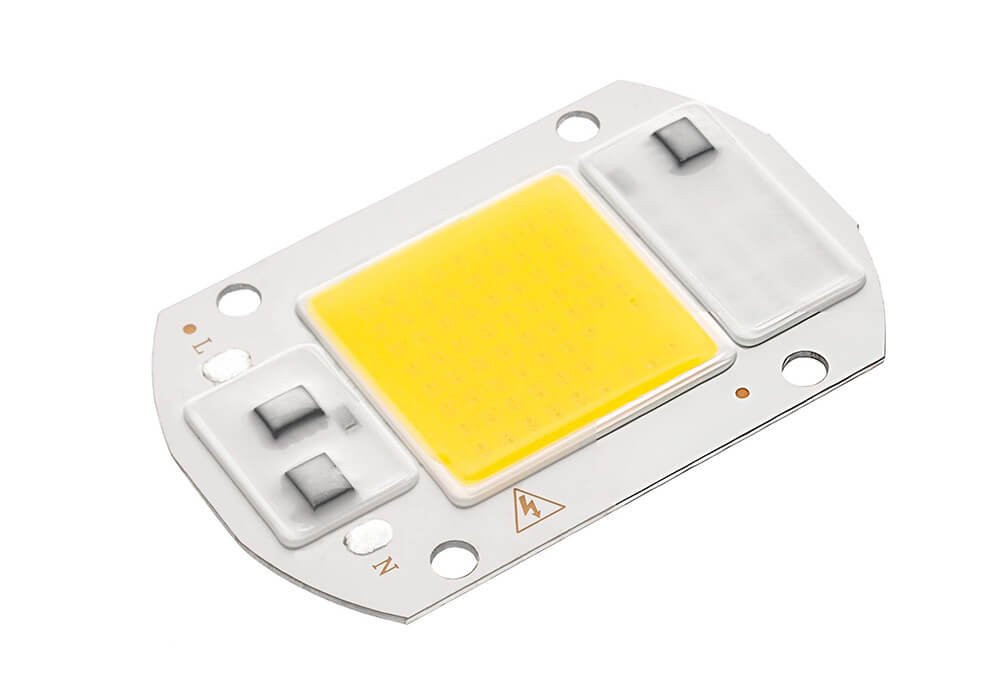
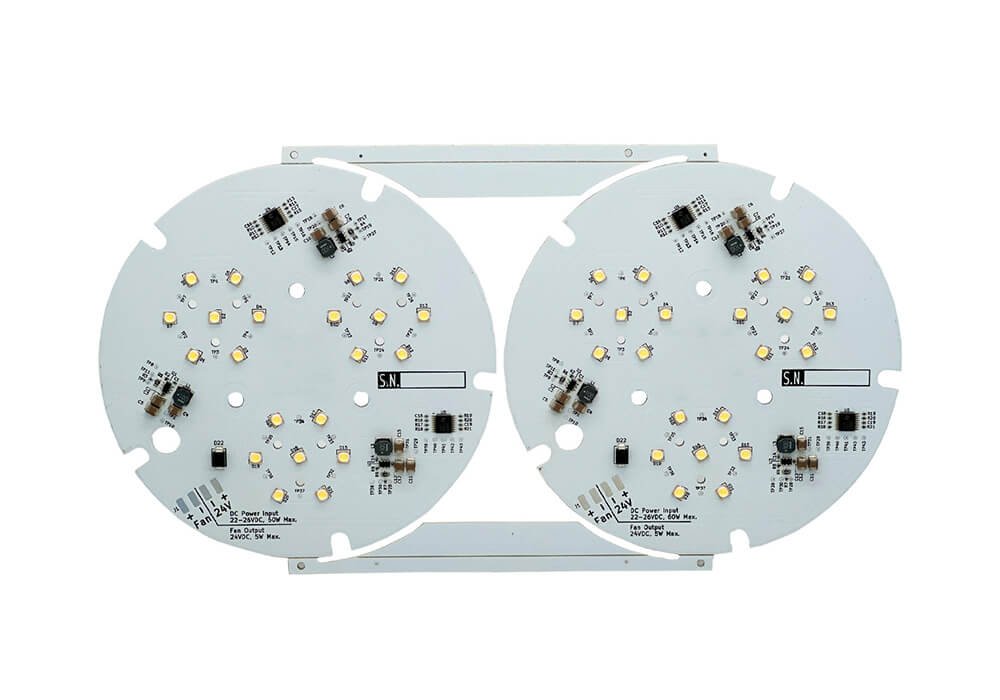
Aluminum PCBs is a type of Metal Core PCB (MCPCB) that uses an aluminum base substrate instead of traditional FR4 fiberglass material.
We have delivered advanced aluminum PCB fabrication and assembly solutions for global customers in LED lighting, power electronics, automotive systems, telecom infrastructure, and industrial automation.
Aluminum PCB Manufacturer.
PCBSAIL is a professional Aluminum PCB manufacturer. We are specializing in reliable Aluminum PCBs designed for industries that demand efficient heat dissipation, mechanical stability, and long-term electrical performance.
Our aluminum PCBs are engineered to manage high thermal loads while maintaining signal integrity and mechanical durability.
By combining high-quality aluminum substrates, thermally conductive dielectric materials, and precision copper circuitry, PCBSAIL produces aluminum PCBs in compliance with IPC, RoHS, and REACH standards.
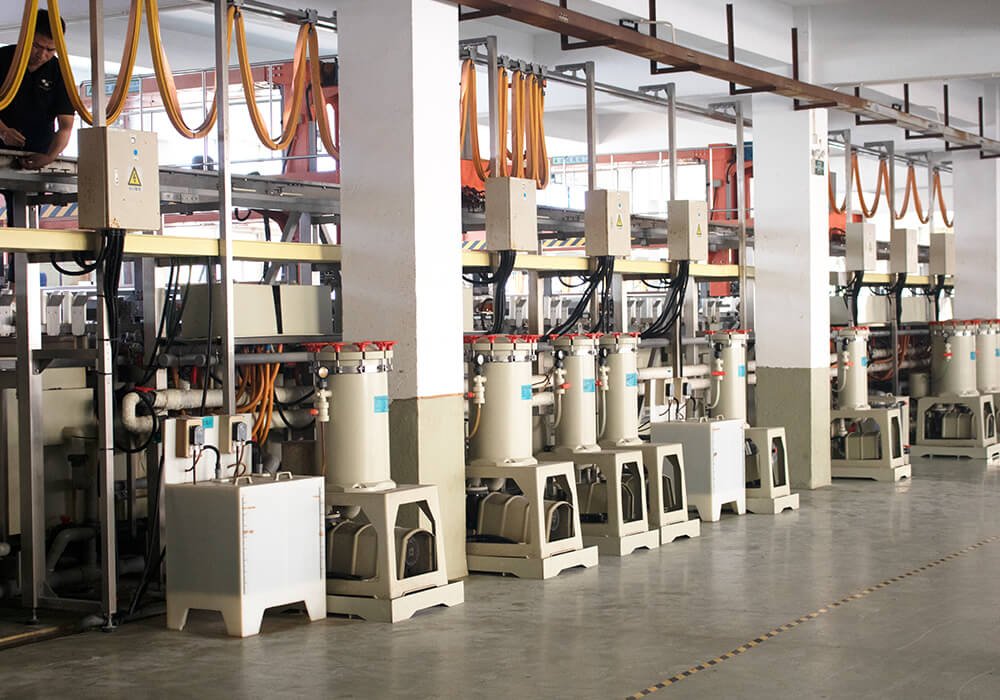
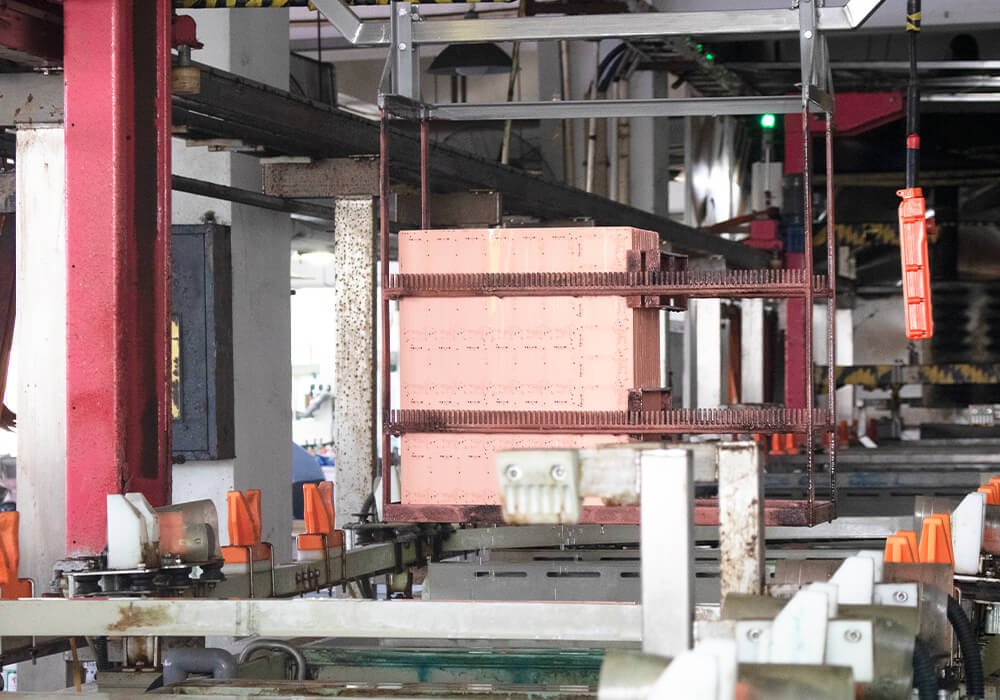
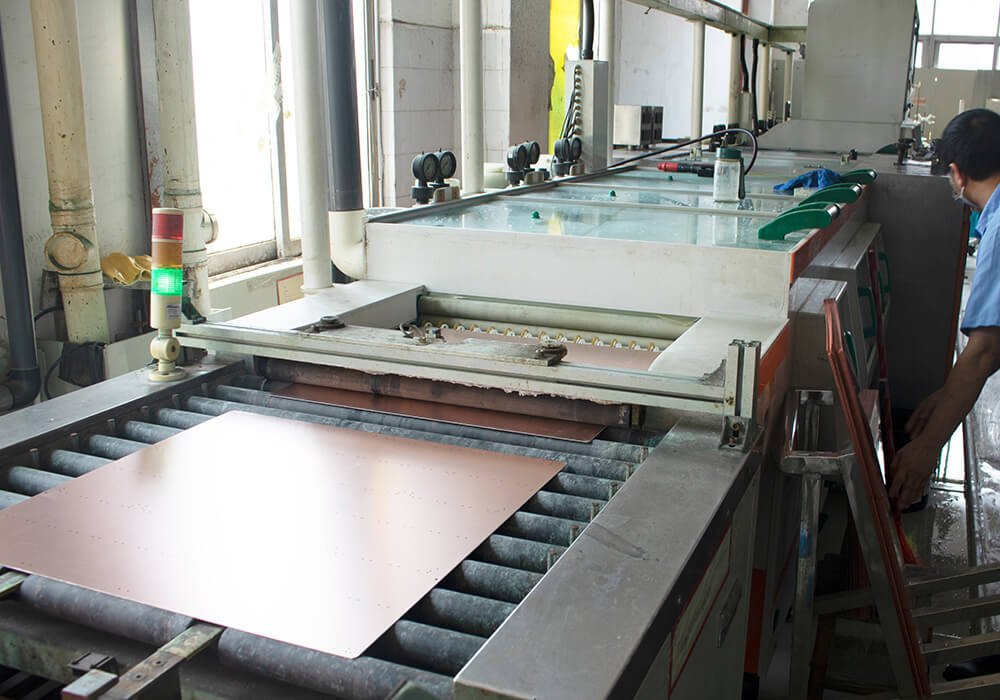
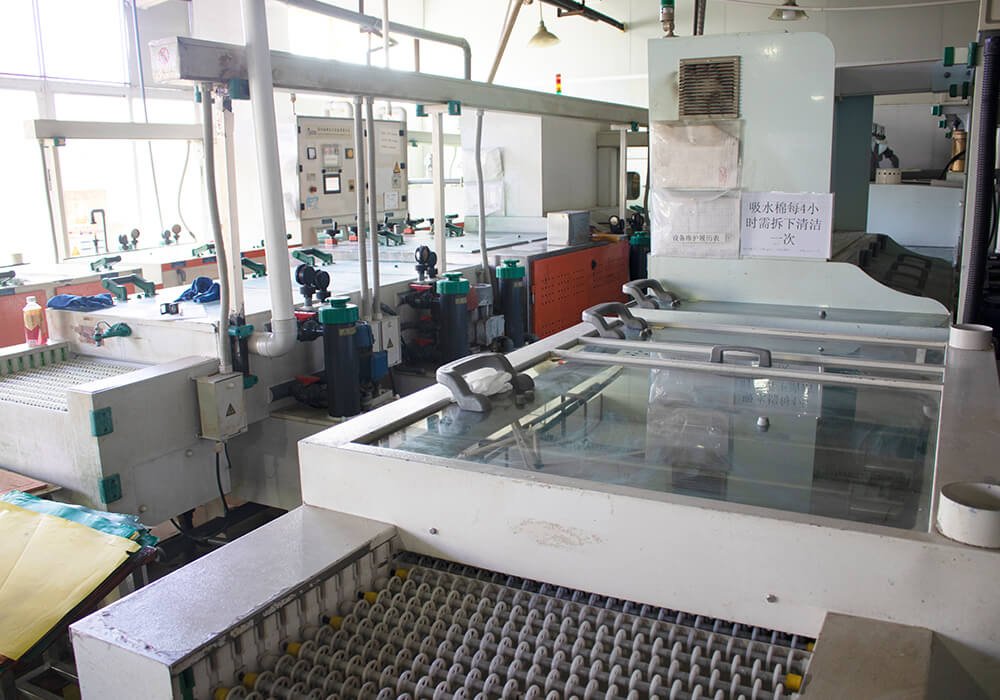
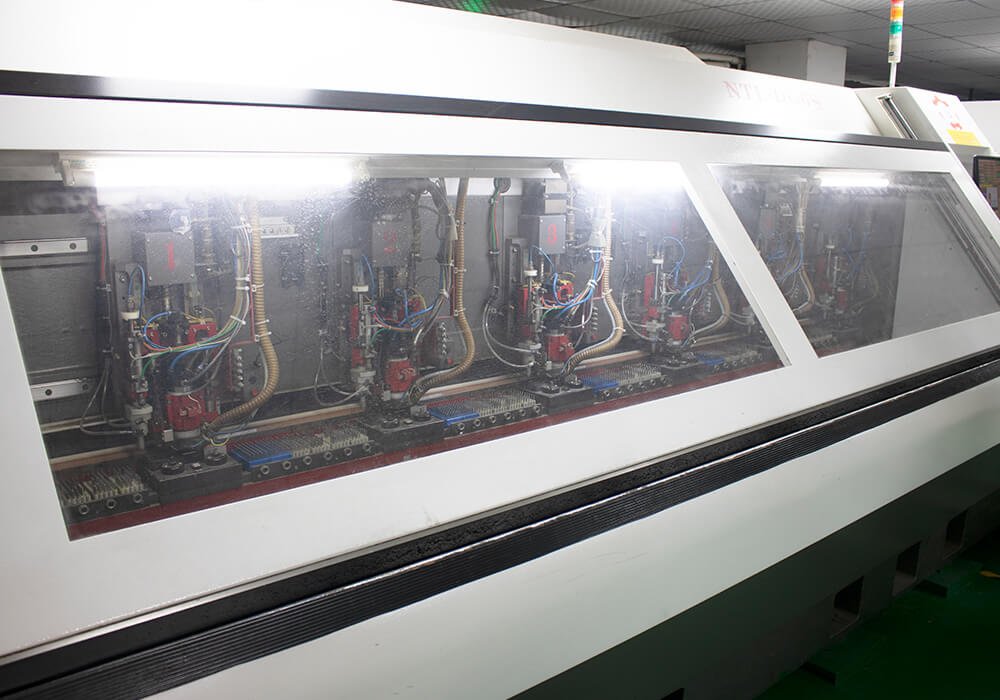
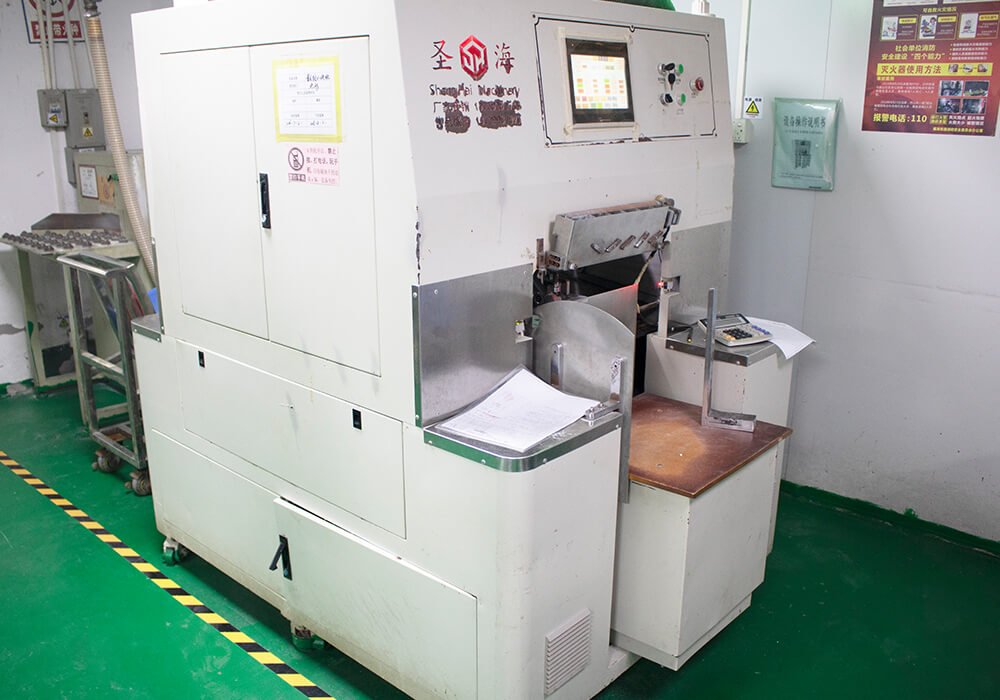
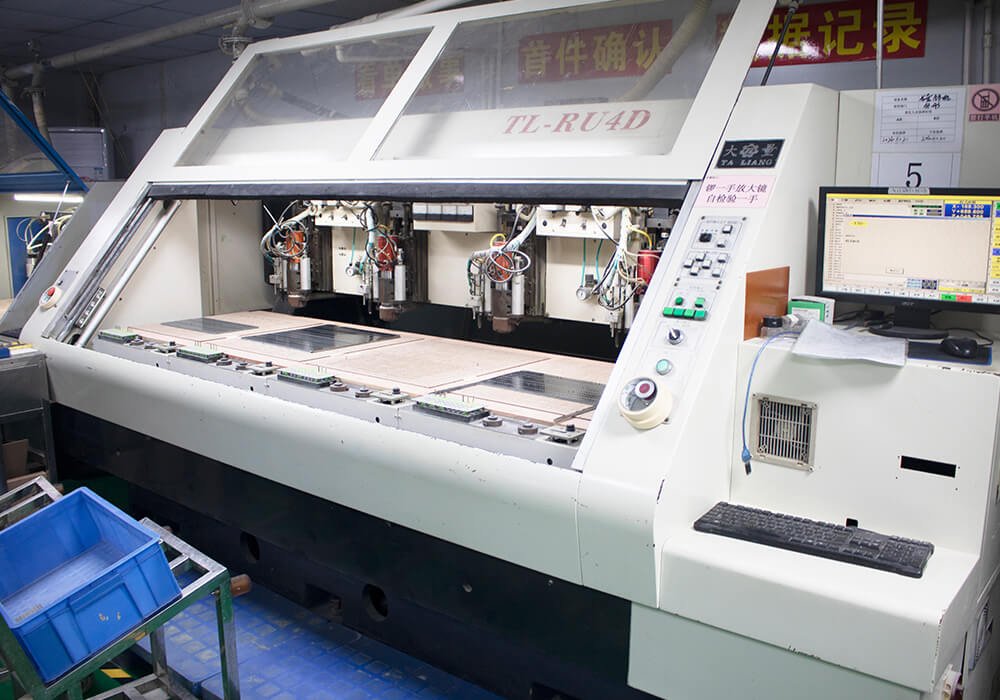
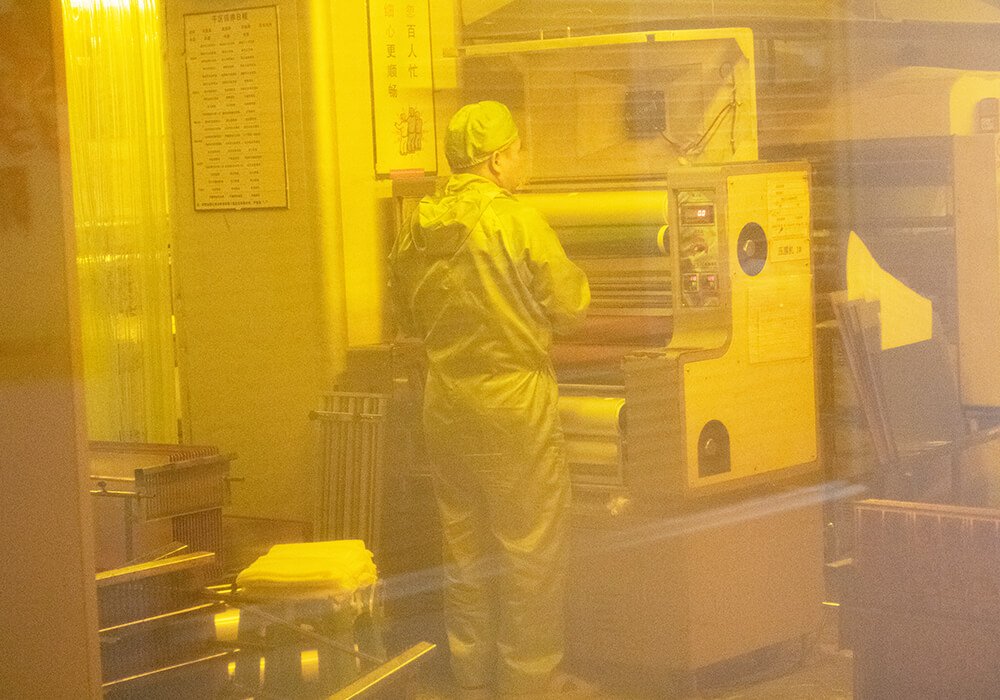
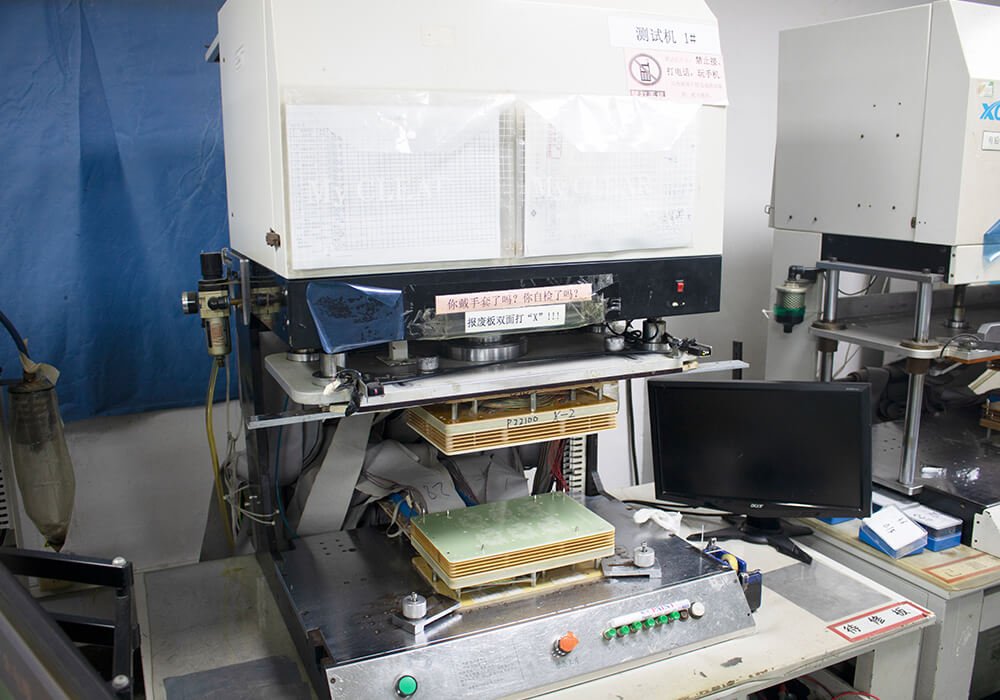
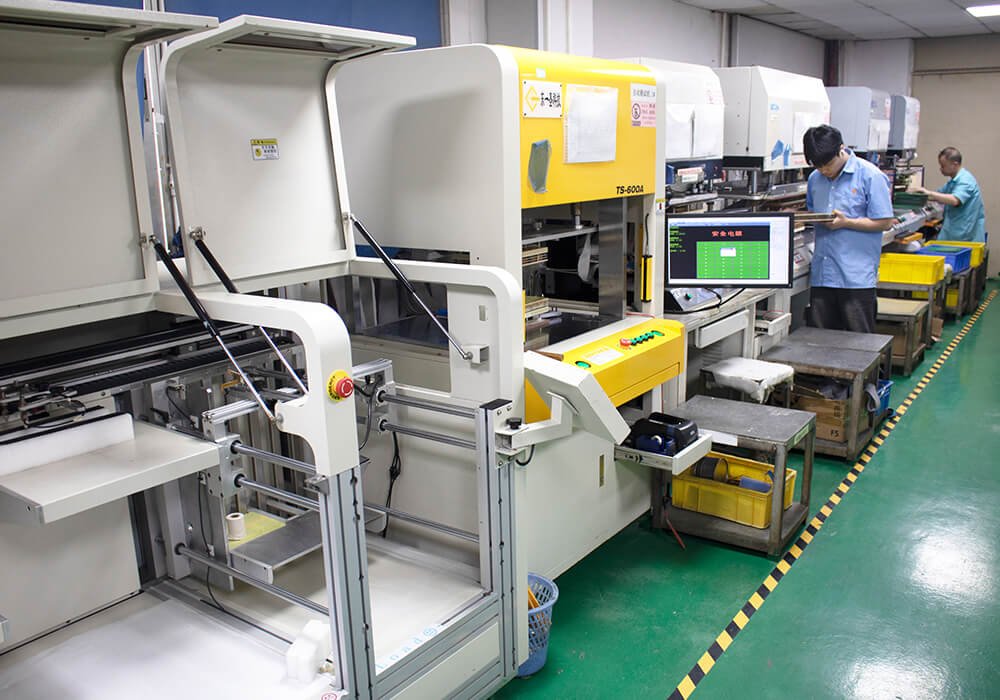
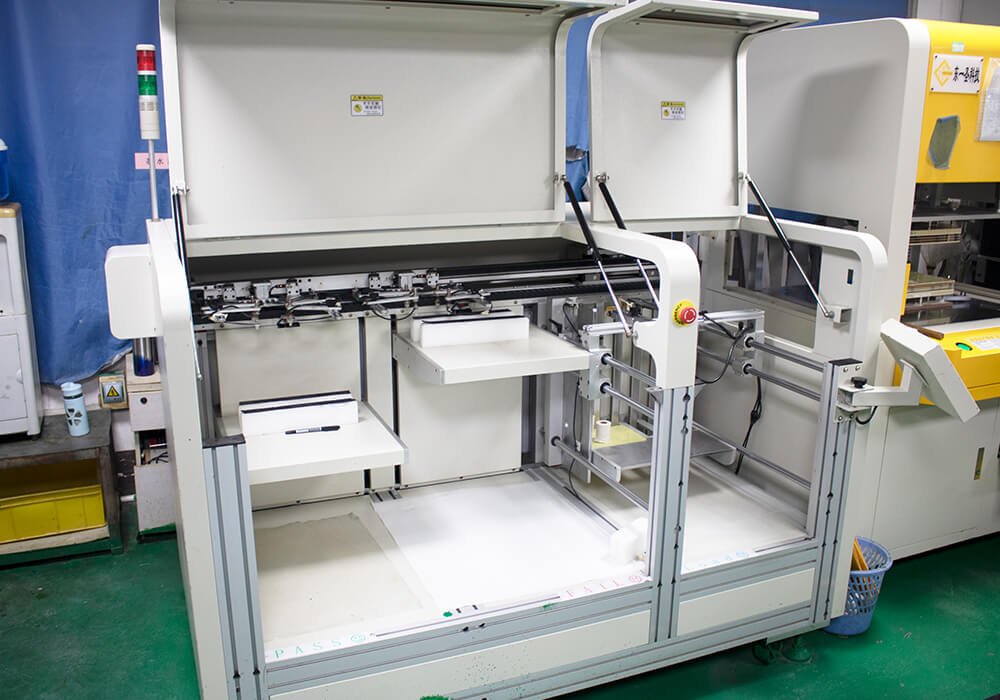
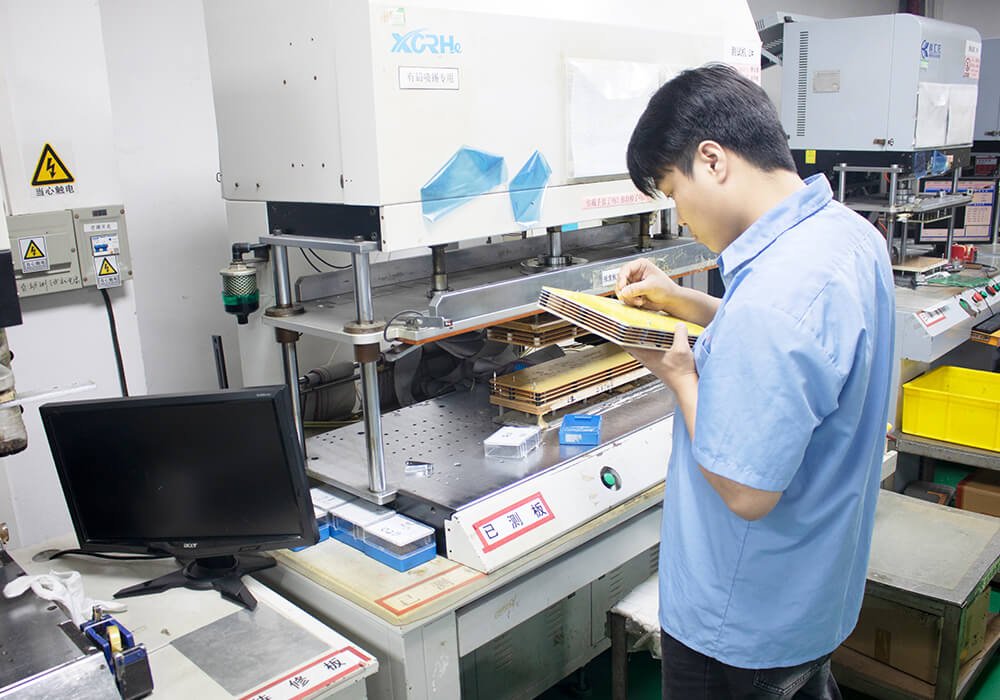
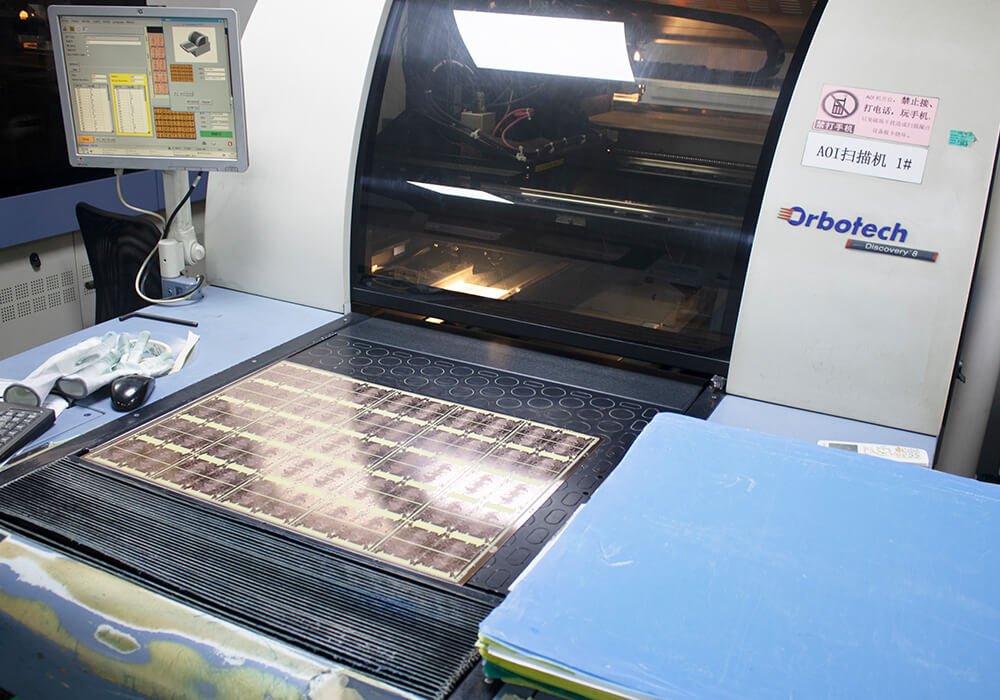
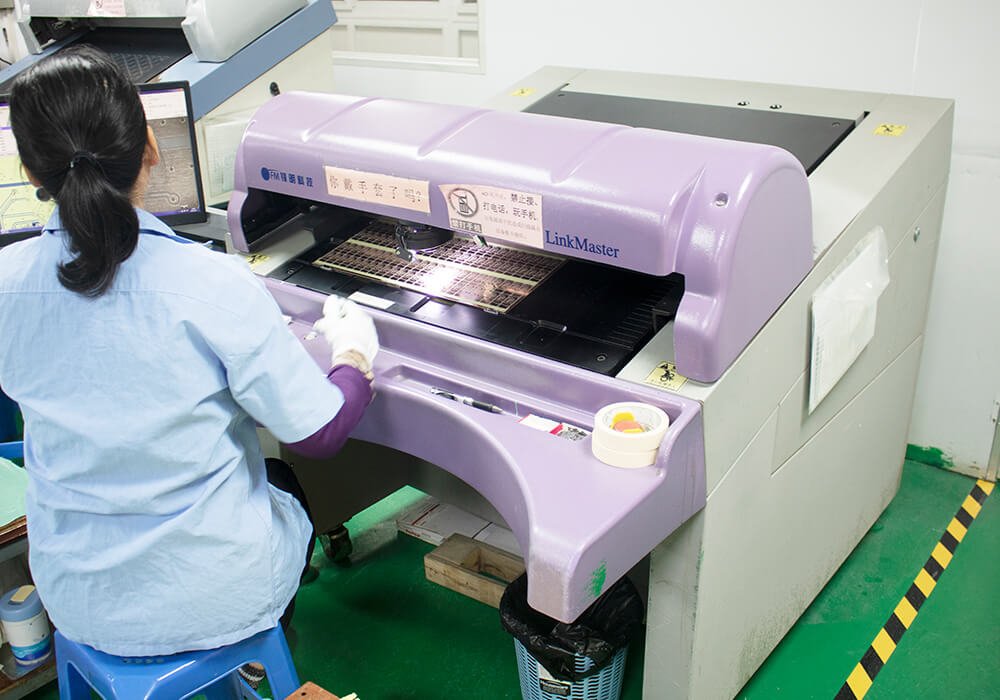
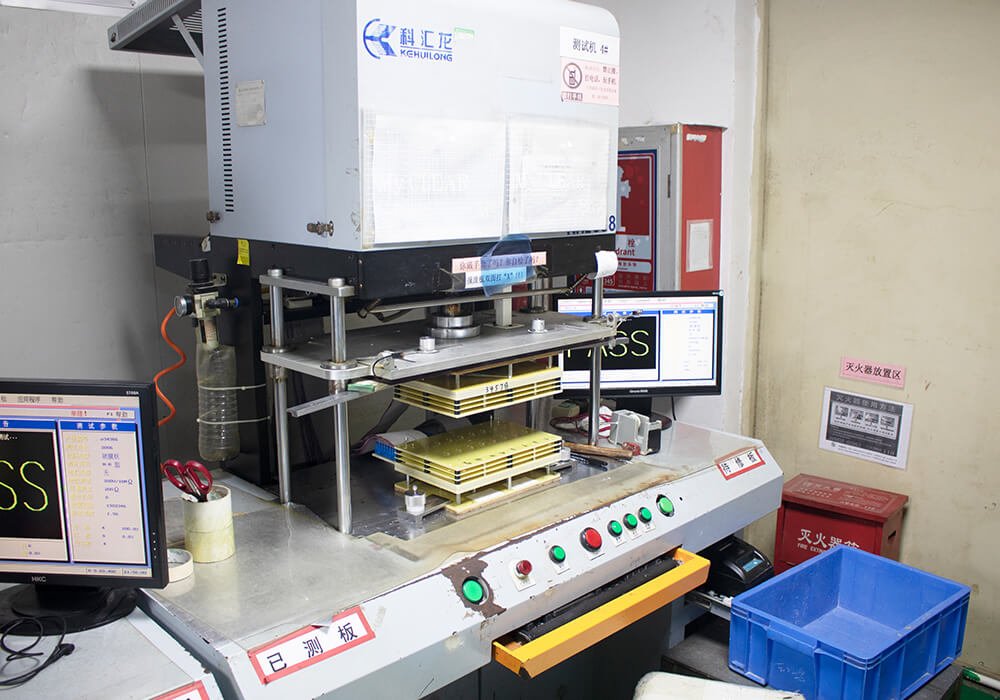
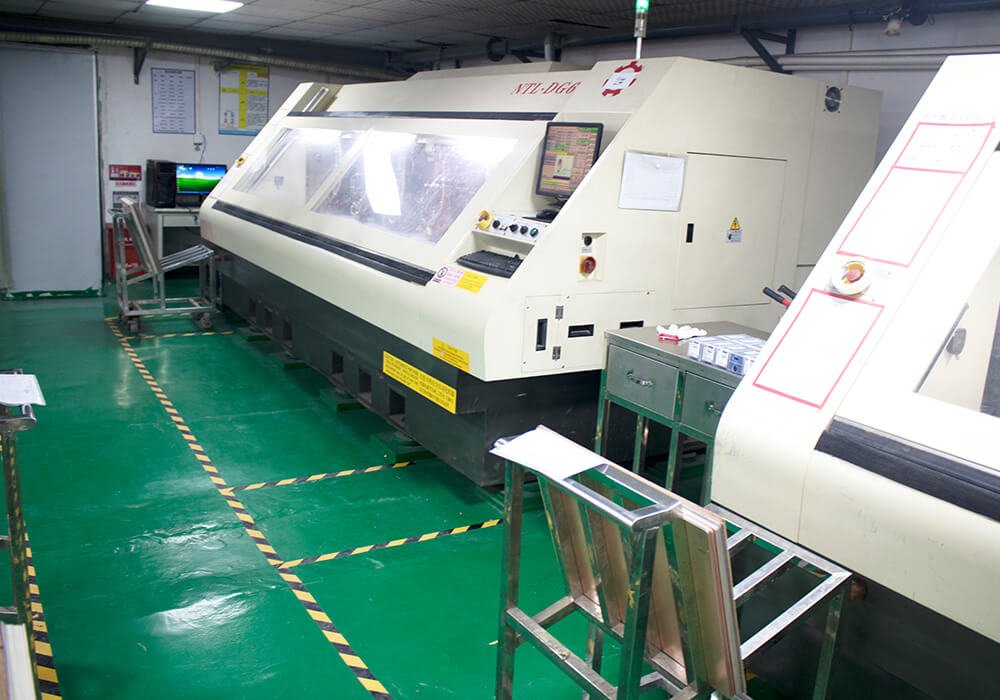
Our facilities are equipped with precision lamination systems, advanced drilling technology, automated inspection equipment, and full electrical testing platforms.
It can make you get high-reliable Aluminum PCBs from us.
Mechanical and Drilling
Minimum Drill Size
- 0.8 mm standard
- Non-covered vias
- Tented vias
- Resin-filled vias
- Dielectric insert isolation vias for aluminum core separation
Surface Finish
We provide full surface finish options compliant with IPC standards:
- ENIG (Electroless Nickel Immersion Gold)
- ENEPIG
- HASL Lead-Free
- OSP
- Immersion Silver
- Immersion Tin
- Hard Gold
Testing
Quality control is integrated into every stage of aluminum PCB production.
- AOI (Automated Optical Inspection) – All Layers
- X-Ray Inspection – Multilayer and Via Structures
- Flying Probe Electrical Testing
- Fixture Electrical Testing for Volume Production
Feature Aluminum PCB.
We offer a wide range of Aluminum PCBs. It was designed to meet different power, thermal, and mechanical requirements.
Aluminum PCB We Offer.

Multilayer Aluminum PCB
Multilayer aluminum PCBs are designed for high power density applications where both thermal management and advanced circuit routing are required. These boards use multiple copper and dielectric layers while maintaining aluminum as the thermal base.
- Supports complex circuit routing
- High current carrying capacity
- Improved thermal distribution
- Reduced system size and weight

Hybrid Aluminum PCB
Hybrid aluminum PCBs combine aluminum thermal performance with traditional PCB materials for signal routing and high-frequency performance.
- Power and signal separation
- Supports RF and high-speed signal layers
- Reduced thermal resistance
- Lower cost compared to full ceramic substrates

Through-Hole Aluminum PCBs
Through-hole aluminum PCBs support plated through-hole components while maintaining electrical isolation from the aluminum base using dielectric sleeves or resin-filled structures.
- Supports mixed SMT and through-hole assembly
- Maintains electrical isolation from metal core
- High mechanical reliability

Flexible Aluminum PCB
Flexible aluminum PCBs combine limited flex capability with aluminum thermal performance using special structural designs.
- Thermal management with controlled flexibility
- Space-saving installation capability
- Enhanced mechanical durability
Item | Unit | Aluminum PCB Manufacturing Capability |
Base Material Brand | / | Guoji GL11 / Guangzhou Aluminum / Ventec / Isola / Rogers |
Solder Mask Ink | / | Libang Series |
Finished Copper Thickness | μm | 18 / 25 / 35 / 70 (0.5oz / 0.75oz / 1oz / 2oz) |
Board Thickness Range | mm | 0.2 – 5.0 |
Thickness Tolerance (t ≥ 1.0mm) | % | ±10 |
Thickness Tolerance (t < 1.0mm) | mm | ±0.1 |
Thermal Conductivity | W/m·K | 1 – 12 |
Minimum Line Width | % | ±10 |
Minimum Spacing | mil | 8 (0.2mm) |
Drill Hole Diameter | mm | ≥ board thickness & ≥ 1.0 |
Hole Tolerance | mm | ±0.1 |
Solder Mask Type | / | Photoimageable Ink |
Solder Mask Bridge | mm | 0.15 |
Min. Character Width | mm | ≥0.15 |
Min. Character Height | mm | ≥1.0 |
Maximum Board Size | mm | Standard: 480 × 580 / Large: 580 × 1180 (Custom available) |
Outline Accuracy | mm | ±0.15 |
Trace to Board Edge Clearance | mm | ≥0.3 (12mil) |
Panelization (Zero-gap) | / | Zero-gap panelization (no spacing between boards in panel shipment) |
Panelization (With Gap) | mm | 2.0 (Panel gap should not be less than 2.0mm, otherwise routing is difficult) |
Surface Finish | / | ENIG, Immersion Silver, Immersion Tin, OSP |
Aluminum PCB Structure
A typical aluminum PCB consists of multiple functional layers, including the copper circuit layer, dielectric insulation layer, aluminum base layer, and protective surface layers such as solder mask and silkscreen.
1. Copper Layer
The copper layer is located at the top of the aluminum PCB and forms the electrical circuitry of the board. It carries electrical signals and power between electronic components and provides soldering pads for component assembly.
In aluminum PCBs, copper layers are often thicker than those used in standard FR4 boards.
- Supports higher current loads
- Improves heat distribution across the board
- Reduces electrical resistance
- Enhances reliability in power electronics
Typical Copper Thickness Options
Copper Weight | Thickness (mil) | Thickness (µm) |
0.5 oz/sq ft | 0.671 | 17.05 |
1.0 oz/sq ft | 1.34 | 34.1 |
2.0 oz/sq ft | 2.68 | 68.1 |
3.0 oz/sq ft | 4.02 | 102.2 |
Higher copper weight results in thicker copper layers, allowing the PCB to handle more electrical current and dissipate heat more effectively. For high-power aluminum PCBs, copper thickness can extend up to 10 oz depending on design requirements.
2. Dielectric Layer
The dielectric layer is positioned between the copper circuit layer and the aluminum base. It plays a dual role: providing electrical insulation and enabling efficient heat transfer from the circuit layer to the aluminum substrate.
This layer is typically made from thermally conductive insulating materials such as ceramic-filled epoxy resin, polyimide, or specialized polymer-based thermal materials.
Key Functions
- Electrically isolates copper circuits from aluminum base
- Transfers heat away from heat-generating components
- Maintains dielectric strength under voltage stress
Design Considerations
The thickness of the dielectric layer directly impacts thermal and electrical performance:
- Thinner dielectric → Better heat transfer
- Thicker dielectric → Higher electrical insulation
Engineers must balance thermal conductivity, insulation requirements, and reliability when selecting dielectric thickness.
3. Aluminum Base Layer
The aluminum base serves as the structural foundation and primary heat dissipation platform of the PCB. Aluminum alloys are selected for their combination of thermal conductivity, mechanical strength, and manufacturability.
Key Advantages
- Excellent heat spreading capability
- High mechanical strength and rigidity
- Resistance to vibration and mechanical stress
- Lightweight compared to copper base alternatives
Aluminum bases are commonly available in thicknesses ranging from 0.4 mm to 3.2 mm, depending on application requirements.
Some advanced aluminum PCB designs include:
Copper clad laminate reinforcement layers
Resin-insulated through-holes for electrical isolation
Thermal via structures for enhanced heat transfer
These features allow aluminum PCBs to support both surface mount and through-hole components while maintaining electrical isolation.
4. Solder Mask
The solder mask is a protective coating applied over copper traces. It prevents oxidation, environmental damage, and unwanted solder bridging during assembly.
Most solder masks are made from epoxy-based materials and are available in multiple colors.
Benefits
- Prevents short circuits by controlling solder flow
- Protects copper from moisture and contamination
- Improves board durability
- Enhances visual inspection capability
5. Silkscreen
The silkscreen layer is used to print component labels, polarity indicators, logos, and assembly instructions on the PCB surface.
Silkscreen ink must be resistant to heat, chemicals, and soldering processes to ensure long-term readability.
Benefits
- Simplifies PCB assembly
- Improves serviceability and repair
- Helps identify components and test points
- Supports product branding
Aluminum PCB Feature
By combining high-quality aluminum substrates, thermally optimized dielectric materials, and precision copper circuitry, our aluminum PCBs are designed to support high-power, high-temperature, and high-reliability environments.
Excellent Thermal
Thermal management is the primary advantage of aluminum PCBs. Our aluminum core boards are designed to efficiently transfer heat away from critical components and distribute it across the metal base.
- Low thermal resistance structure
- Fast heat transfer from copper circuit to aluminum base
- Reduced component operating temperature
- Improved system reliability and lifespan
Available Thermal Conductivity Options
- Standard: 1.0 W/m·K
- Enhanced: 2.0 – 3.0 W/m·K
- High Thermal: Up to 15 W/m·K (custom builds)
High Current Carrying
Our aluminum PCBs support heavy copper designs for high current applications. Thicker copper layers reduce electrical resistance and improve heat spreading across the circuit surface.
Copper Thickness Range
- 0.33 oz to 10 oz
Benefits
- Supports high power circuits
- Reduces voltage drop
- Improves power conversion efficiency
- Enhances thermal distribution
Strong Mechanical
The aluminum base provides excellent mechanical strength compared with traditional fiberglass substrates. This improves board durability in harsh environments.
- High vibration resistance
- Reduced board warpage
- Improved structural rigidity
- High dimensional stability under temperature changes
This makes aluminum PCBs ideal for automotive, industrial, and outdoor electronics applications.
Excellent Electrical Insulation
Our thermally conductive dielectric materials provide strong electrical insulation while maintaining efficient heat transfer.
- High dielectric strength
- Stable insulation under high temperature
- Excellent thermal cycling reliability
- Thickness options from 50 µm to 200 µm
Aluminum PCB Manufacturing
Our aluminum PCBs are produced through a controlled multi-stage manufacturing process that integrates metal base preparation, thermally conductive dielectric bonding, circuit formation, and surface protection finishing.

Material Selection
The aluminum substrate is selected based on required thermal and mechanical performance. Key Parameters
- Thermal conductivity: typically 1.0 – 3.0 W/m·K (up to 15 W/m·K for high-performance materials)
- Core thickness: 0.4 mm – 3.2 mm
- Mechanical rigidity and flatness requirements

Pre-Lamination
Before lamination, the aluminum surface is treated to enhance bonding performance. Surface Preparation Steps
- Alkaline chemical cleaning
- Mechanical brushing or micro-etching
- Oxide removal and surface activation

Lamination
The dielectric layer is bonded to the aluminum core under precisely controlled conditions. Process Details
- Dielectric type: ceramic-filled epoxy or polyimide
- Hot press lamination using controlled pressure and temperature
- Copper foil laminated on top (typically 0.33 oz – 10 oz)

Drilling
Mechanical drilling is used to create mounting holes and vias. Technical Considerations
- CNC precision drilling
- Typical minimum hole size: 0.8 mm
- Position tolerance: ±0.05 mm

Etching
Circuit traces are created using photolithography and chemical etching. Process Flow
- Photoresist coating
- UV exposure and development
- Controlled chemical etching (commonly ammoniacal etchant)
- Typical tolerance control: ±10% Line Width And Spacing

Surface Finishing
Surface finishes protect copper pads and ensure solderability. Common Surface Finishes
- ENIG
- Lead-Free HASL
- ENEPIG
- OSP
- Immersion Silver
- Immersion Tin

Electrical Testing
Every board undergoes electrical verification.
- Flying probe testing
- Bed-of-nails testing

Final Inspection & Packaging
Final quality verification ensures compliance with IPC acceptance standards.
- AOI inspection
- Dimensional measurement
- Surface quality inspection
- Burr and contamination removal
| Item | Unit | Flex PCB |
| Max. Layers | L | 16 |
| Min. Finished Board Thickness | mm | 0.04 |
| Max. Size | mm | 500 × 2200 |
| Min. Laser Drill Hole | mm | 0.025 |
| Min. Mechanical Drill Hole | mm | 0.1 |
| Min. Line Width / Spacing | mm | 0.035 / 0.035 |
| Min. Annular Ring (Single / Double Side) | mm | 0.075 |
| Min. Annular Ring (Multilayer Inner Layer) | mm | 0.1 |
| Min. Annular Ring (Multilayer Outer Layer) | mm | 0.1 |
| Min. Coverlay Bridge | mm | 0.1 |
| Min. Solder Mask Opening | mm | 0.15 |
| Min. Coverlay Opening | mm | 0.30 × 0.30 |
| Min. BGA Pitch | mm | 0.45 |
| Single-ended Impedance Tolerance | % | ±7 |
| Base Material Type | / | Polyimide, LCP, PET |
| Base Material Brands | / | Shengyi, ITEQ, Taiflex, Newflex, Nikko, Panasonic, DuPont, Jiujiang |
| Stiffener Types | / | FR4, PI, PET, Steel, Aluminum, PSA, Nylon |
| Surface Finish | / | ENIG, ENEPIG, OSP, Electroplated Gold, Electroplated Gold + ENIG, Electroplated Gold + OSP, Immersion Silver, Immersion Tin, Electroplated Tin |
| Flex + HDI | / | 2+N+2 (Mass production) |
Aluminum PCB Applications
Aluminum PCBs are widely used in applications where efficient thermal management, high reliability, and mechanical durability are critical. Our Aluminum PCB metal core structure allows rapid heat dissipation. It makes Aluminum PCB ideal for high-power density and high-temperature electronic environments.
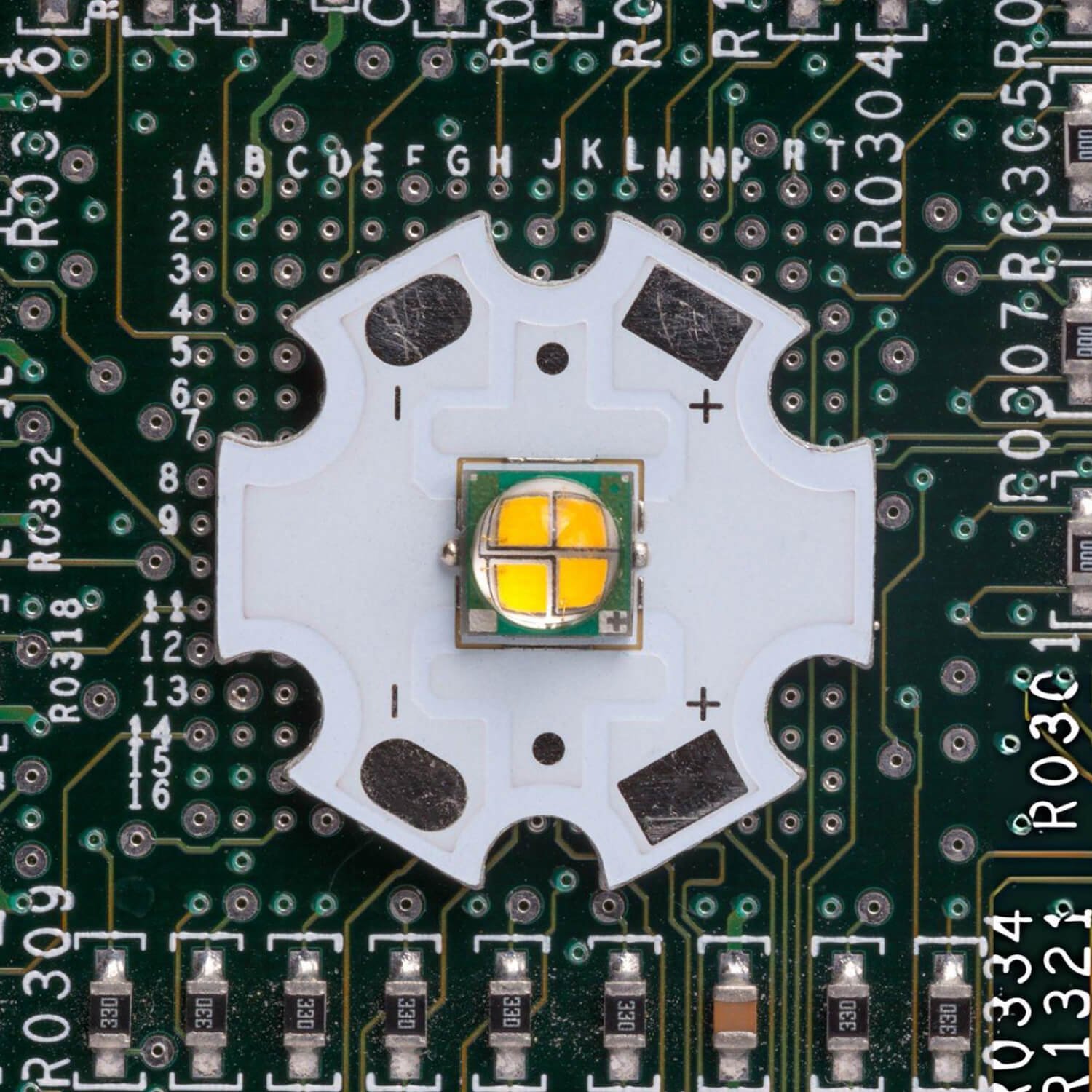
Power Electronics
Power conversion equipment requires effective thermal dissipation to ensure stable operation and long service life.
- Power supplies
- Inverters and converters
- Voltage regulators
- Motor drivers
- UPS systems
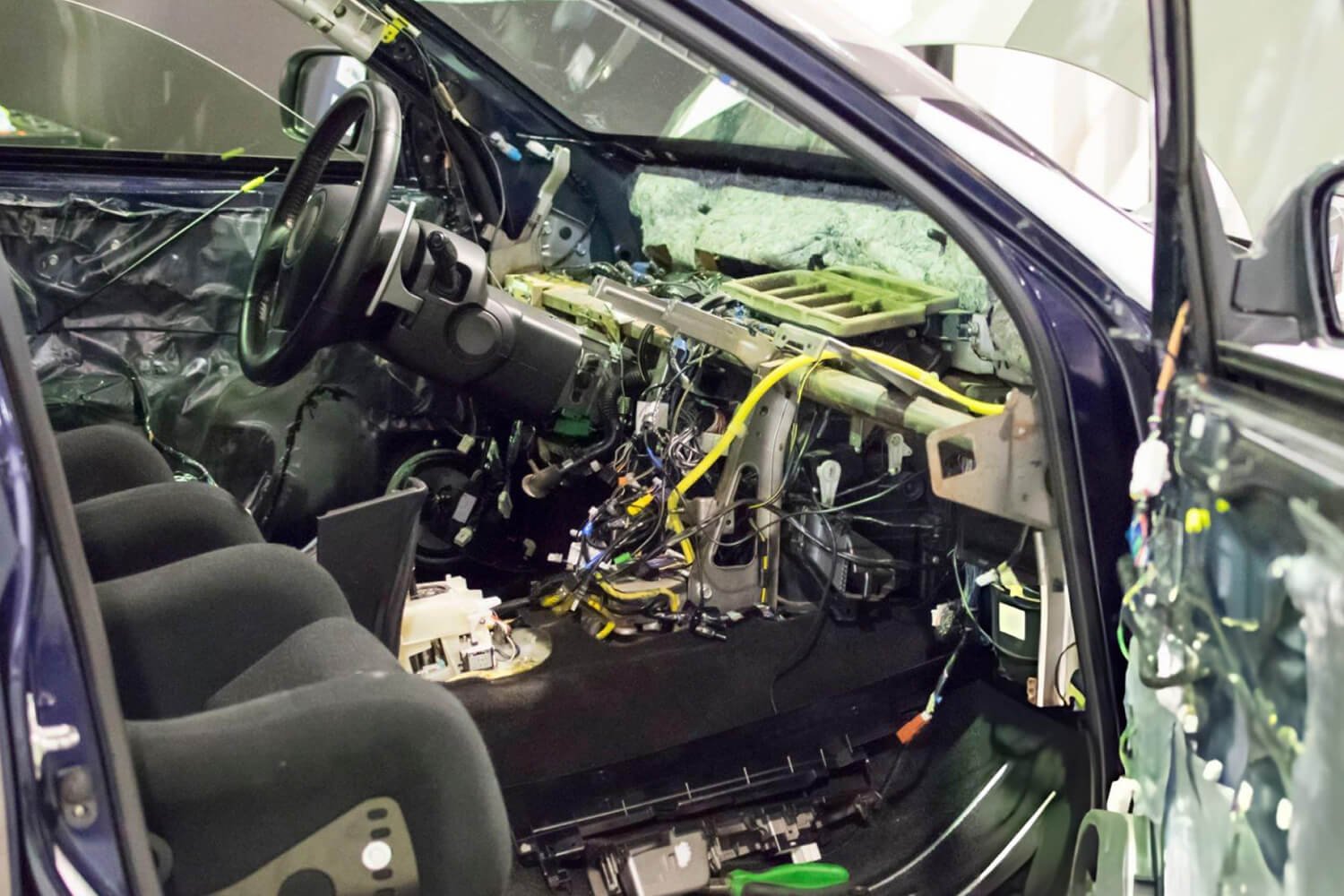
Automotive Electronics
Aluminum PCBs are widely applied in automotive systems where vibration resistance and heat control are essential.
- LED headlights and signal lights
- Engine control modules
- Electric vehicle power modules
- Battery management systems (BMS)
- On-board chargers and DC-DC converters
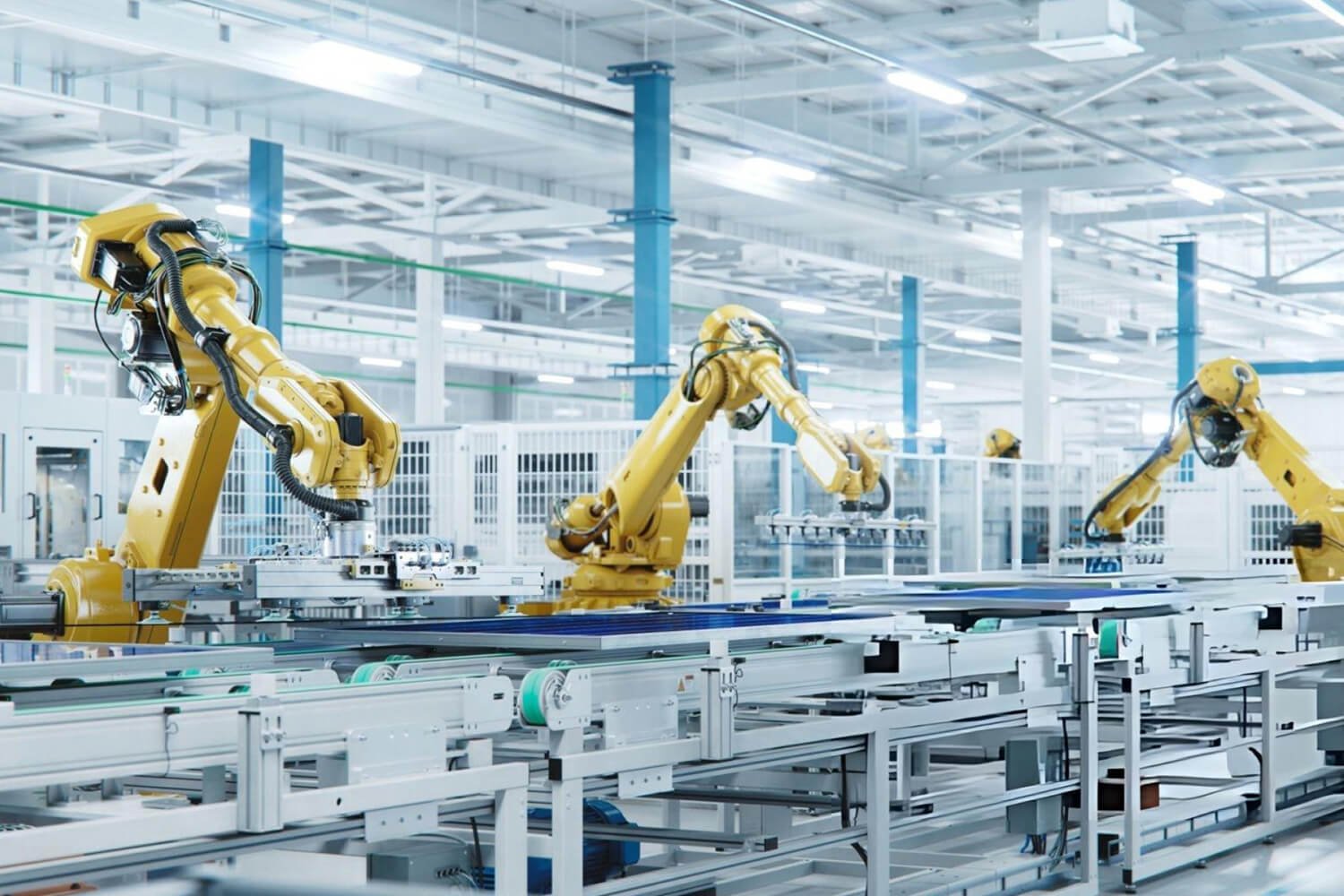
Industrial Equipment
Industrial electronics often operate continuously under high load and temperature conditions.
- Motor control systems
- Automation control equipment
- Industrial power modules
- Welding equipment control boards

Medical Devices
In industrial environments, Flex PCBs provide durability and design flexibility for complex electromechanical systems.
Typical applications include:
- Robotics and motion control systems
- Industrial sensors and actuators
- Human-machine interfaces (HMI)
- Control and monitoring equipment
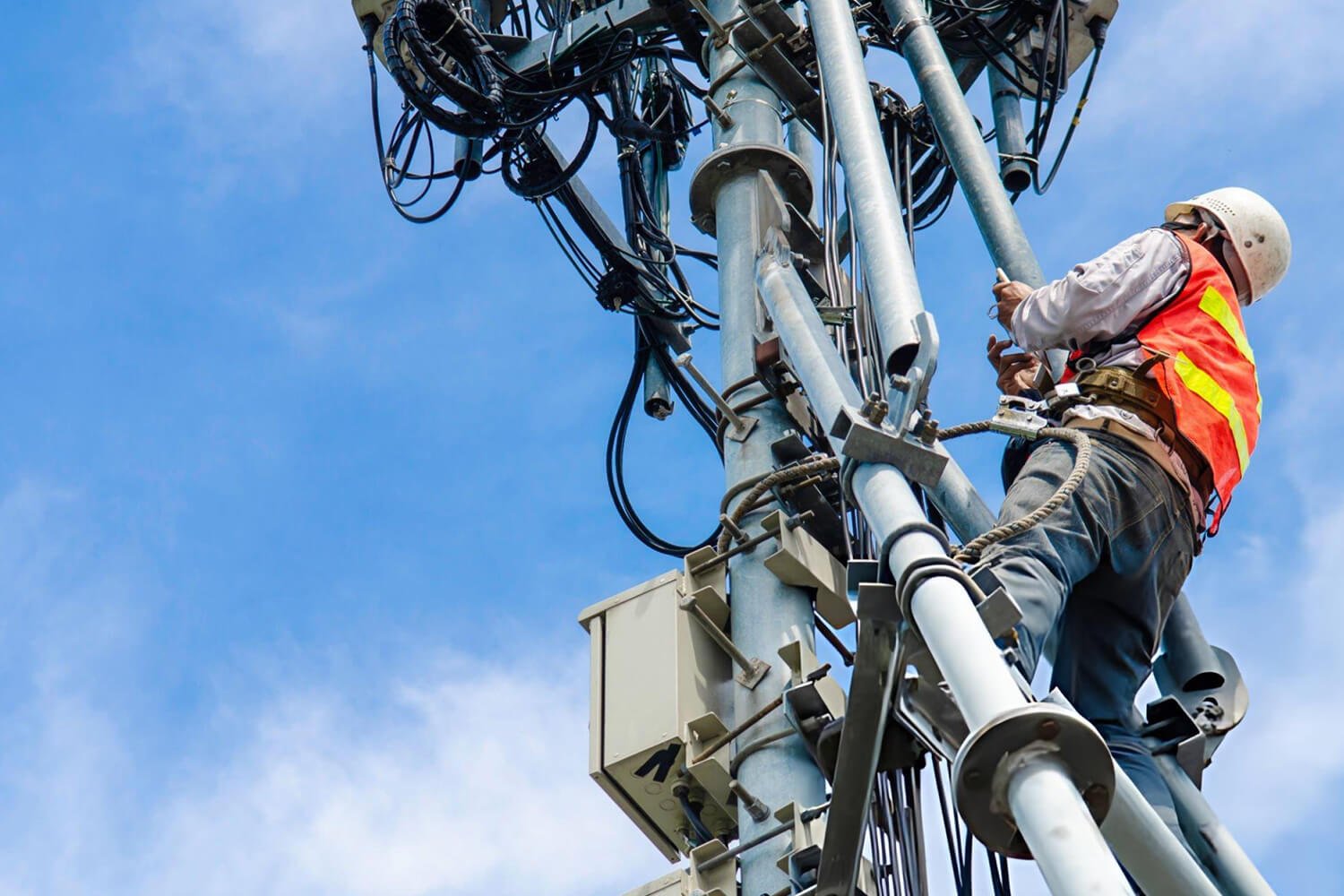
Telecommunication
Aluminum PCBs are used in communication power and infrastructure hardware.
- Base station power modules
- Signal amplifiers
- RF power supply boards
- Communication power distribution systems
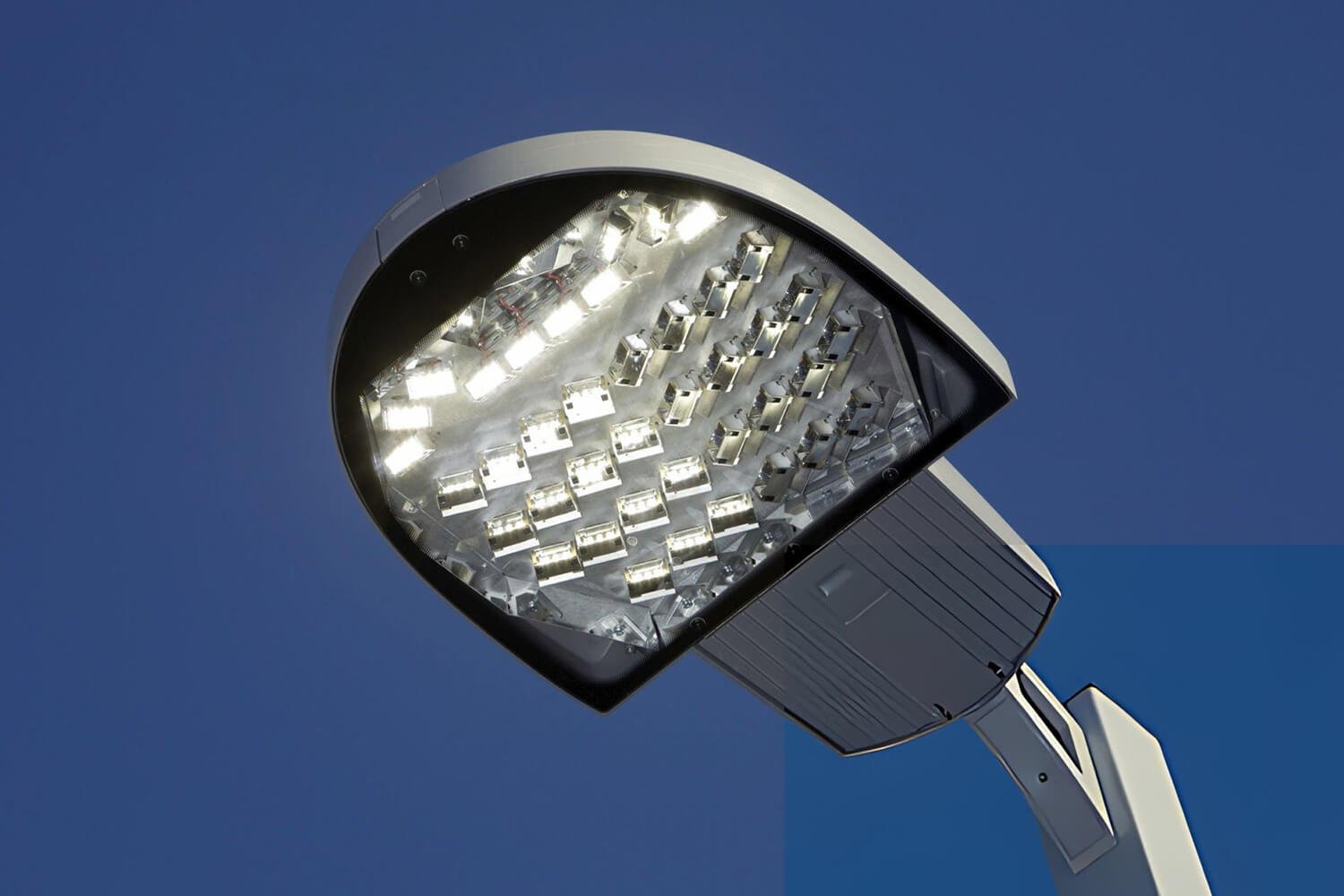
LED Lighting
Aluminum PCBs are most commonly used in LED lighting due to their excellent heat spreading capability.
- LED street lighting
- High bay and industrial lighting
- Automotive LED headlights and taillights
- Architectural and stage lighting
- Backlight modules for displays
Fast Quotation
Our professional sales and engineering teams provide fast PCB quotes and technical support. Simply send us your Gerber files, BOM, and assembly drawings, and we will respond promptly with a competitive solution.
- Gushu Tangxi Second Industrial Zone, Shenzhen
- +86 755 2335 0814
- +86 135 1078 8094
- sales@pcbasail.com
FAQ About Aluminum PCB
1. What Is An Aluminum PCB?
An Aluminum PCB is a type of Metal Core Printed Circuit Board (MCPCB) that uses an aluminum base instead of standard FR4 fiberglass. It is designed to provide efficient heat dissipation, making it ideal for high-power and thermally demanding electronic applications.
2. Can Aluminum PCBs Be Multilayer?
Most aluminum PCBs are single layer or double layer.
Multilayer aluminum PCBs are possible but require complex insulation structures and higher manufacturing cost.
3. Can Aluminum PCBs Support Plated Through Holes?
Yes, but special insulation methods are required:
- Resin-filled vias
- Insulated sleeves
- Dielectric isolation structures
Direct plating into aluminum is not possible.
4. What Are The Main Manufacturing Challenges Of Aluminum PCBs?
Key challenges include:
- Burr control during drilling and routing
- Dielectric bonding reliability
- Thick copper etching control
- Surface scratch and oxidation prevention
- Solder mask adhesion on uneven copper surfaces
5. Are Aluminum PCBs More Expensive Than FR4 PCBs?
Yes, generally Aluminum PCBs cost more due to:
- Metal base materials
- Thermal dielectric materials
- More complex manufacturing processes
However, they often reduce system-level cooling cost and improve product lifetime.